EAA Drops: Benefits, Usage, and Difference Between Essential & Nonessential Amino Acids

What Are EAA Drops and How Do They Support Your Wellness?
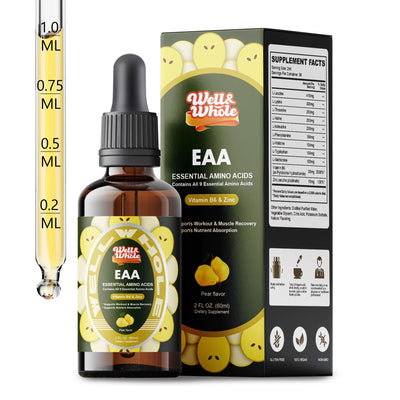
EAA drops are a convenient, fast-absorbing liquid supplement containing essential amino acids, the building blocks your body needs but cannot produce on its own. Unlike nonessential amino acids, which your body can synthesize, essential amino acids must be consumed through diet or supplementation. EAA drops are designed to support muscle recovery, boost energy, and enhance overall wellness, especially for those with active lifestyles.
Key Takeaways
- Essential amino acids (EAAs) are the nine amino acids the body cannot make on its own and must get from diet or supplements.
- A complete EAA blend includes all nine, whereas BCAAs cover only three of them—an important distinction when comparing products.
- Liquid EAA drops are a convenient format for people who dislike pills or want to sip them around training or throughout the day.
Understanding the Difference Between Essential and Nonessential Amino Acids
Amino acids are classified into two main groups:
- Essential Amino Acids (EAAs): These nine amino acids must be obtained through food or supplements because the body cannot make them.
- Nonessential Amino Acids: These amino acids are produced naturally by the body and do not require dietary intake.
Knowing this difference helps you understand why supplementing with EAA drops can be crucial for muscle repair, preventing fatigue, and supporting metabolic functions, especially when dietary intake is insufficient.
Who Should Use EAA Drops?
- Fitness enthusiasts and athletes aiming for faster muscle recovery
- Individuals following plant-based or restricted diets that may lack certain amino acids
- Busy professionals looking for a convenient way to support energy and focus
- Anyone seeking to improve overall wellness and protein synthesis
Benefits of Using EAA Drops
- Quick absorption for faster muscle recovery and reduced soreness
- Supports lean muscle growth and maintenance
- Helps improve energy levels and reduce fatigue
- Convenient liquid form for on-the-go use without mixing powders
How to Use EAA Drops for Maximum Effect
For best results, take EAA drops 15-30 minutes before or after workouts, or anytime during the day to support protein synthesis. Follow the recommended dosage on the label, typically a few drops mixed in water or your favorite beverage. Consistency is key to seeing benefits over time.
People Also Ask
What is the difference between essential and nonessential amino acids?
Essential amino acids cannot be produced by the body and must come from diet or supplements, while nonessential amino acids are made naturally by the body.
Can EAA drops replace protein powders?
EAA drops complement protein intake but do not replace whole protein sources. They provide targeted essential amino acids for faster absorption and recovery.
Are EAA drops suitable for vegetarians?
Yes, many EAA drops are plant-based or free from animal products, making them suitable for vegetarians and vegans.
When is the best time to take EAA drops?
Taking EAA drops before or after workouts helps maximize muscle recovery, but they can also be used anytime to support overall amino acid needs.
FAQ
What are essential amino acids?
Essential amino acids are the nine amino acids your body cannot produce and must get from food or supplements.
How do EAA drops differ from BCAA supplements?
BCAAs (branched-chain amino acids) are three essential amino acids, while EAA drops contain all nine essential amino acids for more comprehensive support.
Can EAA drops help with muscle soreness?
Yes, by providing the necessary amino acids for muscle repair, EAA drops can help reduce soreness and speed up recovery.
Are there any side effects of EAA drops?
EAA drops are generally safe when used as directed. If you have any medical conditions, consult your healthcare provider before use.
Ready to Boost Your Recovery and Wellness?
Try our premium EAA drops today and experience the benefits of essential amino acids in a convenient, fast-absorbing form. Perfect for supporting your active lifestyle, improving muscle recovery, and enhancing overall energy. Shop now and take your wellness routine to the next level!
Related supplements
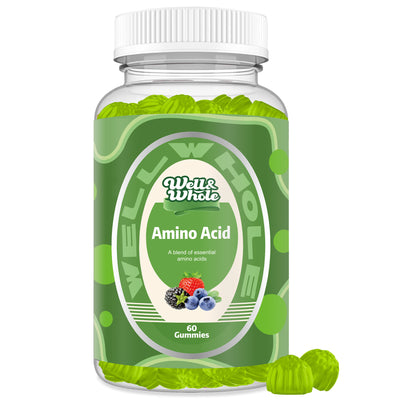
Should you decide to supplement, EAA Gummie 60 counts Essential Amino Acids Supplement Gummies for Men and Women and Essential Amino Acid (EAA) Liquid Drops & Liver Support Liquid Supplement are our formulation for this purpose. For a broader comparison, see the Amino Acids and Muscle Support collections.
Essential amino acids vs. BCAAs: what the difference means
The nine essential amino acids include the three branched-chain amino acids (leucine, isoleucine, valine) plus six others such as lysine, threonine, and tryptophan. A complete EAA product supplies all nine; a BCAA product supplies only three.
For people focused on overall protein support, a full EAA spectrum is often the more complete choice. Your goal—recovery, daily protein intake, or convenience—should guide the format.
How EAA drops are commonly used
Liquid EAA drops are typically added to water and sipped. Many active adults use them around training sessions or distributed through the day to support normal protein synthesis.
Because liquids absorb without needing to swallow several capsules, they suit people who travel or who find large pills inconvenient.
Who might be interested
Active adults, older adults watching their protein intake, and anyone with a diet low in complete proteins may look at EAA supplementation.
They are also popular with people following plant-forward eating patterns who want to round out their amino acid intake.
How to choose a quality EAA product
Check that all nine essentials are present and that the label states the amount per serving. A balanced leucine-containing ratio supports normal muscle protein synthesis.
Look for third-party testing, a clean ingredient list, and a format you will use consistently—drops, powders, or capsules.
How to fit essential amino acids into a daily routine
Consistency matters more than perfection. Most people do best by attaching a supplement to an existing habit—morning coffee, a post-workout shake, or an evening wind-down—so it becomes automatic rather than another task to remember.
Start with the labeled serving and give it a few weeks of regular use before judging how it fits. Keep a simple note of how your routine feels; that feedback helps you adjust timing or format.
What to look for when reading the label
A transparent label states the active amount per serving, the form of the ingredient, and any third-party testing or quality certifications. Avoid products that hide specifics behind proprietary blends.
Check serving size, other added ingredients, and storage instructions. If anything is unclear, a reputable brand's customer support should answer directly—and a healthcare professional can help you match a product to your needs.
When to check in with a professional
If you are pregnant, nursing, taking medication, or managing a health condition, a quick conversation with a qualified healthcare professional is the safest starting point.
They can help you weigh potential interactions and decide whether a given supplement is appropriate for your individual situation.
A note on consistency and patience
Supplements are rarely a single-event fix. The benefits people notice—steadier energy, smoother recovery, an easier daily routine—tend to accumulate over weeks of regular use. Give any new addition a fair trial before drawing conclusions.
How this fits a broader wellness picture
Most people get the best results when a supplement supports an already reasonable diet, sleep, and activity pattern. Think of it as one input among many, not a substitute for the fundamentals.
Essential vs. nonessential amino acids
Essential amino acids must come from diet or supplements; nonessential ones the body can make on its own.
A complete EAA product covers the essentials so you are not relying on dietary gaps alone.
This article is for general wellness education and is not intended to diagnose, treat, cure, or prevent any condition. Individual needs vary—always review product labels and consult a qualified healthcare professional before starting any new supplement.
These statements have not been evaluated by the Food and Drug Administration. This product is not intended to diagnose, treat, cure, or prevent any disease.