Does Magnesium Taurate Help With Sleep Evidence Based Guide
Discover if magnesium taurate helps with sleep, how it works, ideal dosage, side effects, and best forms for deeper restful sleep

Do you lie in bed exhausted but can’t stay asleep past 2 a.m.?
Or wake up feeling wired and tired… even after “8 hours”?
You’re not alone. Millions of adults quietly struggle with poor sleep, night-time anxiety, and that racing-mind feeling the second their head hits the pillow.
That’s exactly why so many people are now asking: does magnesium taurate help with sleep?
Here’s the short version: magnesium taurate combines magnesium (for relaxing tight muscles and calming your nervous system) with taurine (an amino acid that supports deep, restorative sleep and heart health). It’s a gentle, “dual-action” option that many people find easier on the stomach than other forms—and surprisingly effective for both falling asleep and staying asleep.
In this guide, you’ll discover whether magnesium taurate sleep benefits are real, how it stacks up against magnesium glycinate and other forms, what dose actually makes a difference, and how to use it safely so you can finally wake up feeling clear, calm, and rested.
Let’s dive in and see if magnesium taurate before bed could be the missing piece in your sleep routine.
What Is Magnesium Taurate and How Does It Work for Sleep?
If you’re asking, “Does magnesium taurate help with sleep?”, you’re really asking about a combo: elemental magnesium + taurine working together to calm your brain and body.
Magnesium taurate = magnesium bound to taurine, an amino acid. That matters because:
-
Magnesium:
- Helps calm the nervous system by supporting GABA, your main “chill” neurotransmitter.
- Relaxes tight muscles and restless legs, which is huge if your body feels “wired” at night.
- Supports steady heart rhythm and stress response, so you’re not lying awake with a racing mind.
-
Taurine:
- Acts as a calming neurotransmitter in the brain, with GABA-like effects.
- Helps support deeper sleep stages, not just knocking you out but helping you stay asleep.
- May reduce that “tired but wired” feeling by gently dampening overactive brain activity.
Put together, magnesium taurate sleep benefits come from hitting multiple “calm down” pathways at once:
- It boosts GABA activity (your brain’s brake pedal).
- It supports smooth muscle relaxation so your body can actually let go.
- It may help reduce night-time anxiety and overthinking, making it easier to drift off and stay asleep longer.
That’s why many people use magnesium taurate before bed as a calming magnesium supplement—not just to fall asleep, but to get more solid, restorative rest.
The Science: Does Magnesium Taurate Actually Help You Sleep?
When I look at the data on magnesium taurate sleep benefits, the pattern is pretty clear: people with higher magnesium intake tend to sleep better. Large observational studies in the U.S. link higher daily magnesium to:
- Longer total sleep time
- Better sleep efficiency
- Lower risk of insomnia and short sleep
On top of that, several magnesium supplements sleep studies in humans show that magnesium can:
- Cut down sleep-onset time (how long it takes to fall asleep)
- Improve overall PSQI scores (a standard sleep-quality rating)
- Reduce nighttime awakenings and “light,” restless sleep
Taurine adds another layer. It acts on calming pathways in the brain, with GABA-like effects that:
- Help quiet mental chatter before bed
- Support deeper, more stable sleep stages
- Lower bedtime anxiety, which is a huge issue for a lot of U.S. customers
When you combine magnesium and taurine in magnesium taurate, you get a calming magnesium supplement that:
- Supports the nervous system (magnesium)
- Promotes relaxation and smoother sleep architecture (taurine)
- May help you stay asleep longer vs. just knocking you out
Results do vary, though. Two big factors:
- Dosage: Most people do best around 200–400 mg elemental magnesium per day; too little doesn’t move the needle, too much can cause GI issues.
- Baseline levels: If you’re already sufficient, the change might be subtle; if you’re low in magnesium (which is common with standard U.S. diets), the difference in sleep quality can be significant.
Bottom line: for many people dealing with magnesium deficiency and insomnia, magnesium taurate before bed is a smart, evidence-backed option to improve both how fast they fall asleep and how well they sleep through the night.
Magnesium Taurate vs. Other Magnesium Forms for Sleep
When people ask about the best magnesium for sleep, it usually comes down to how calm it makes you feel, how well you stay asleep, and whether your stomach can handle it.
Magnesium taurate vs glycinate for sleep
Both magnesium taurate and magnesium glycinate are “calming magnesium” options, but they feel slightly different:
-
Magnesium glycinate
- Great if your main issue is falling asleep and you run anxious or “tired but wired.”
- Commonly used for anxiety and sleep because glycine also has a relaxing effect.
- Usually very easy on the stomach, even at higher doses.
-
Magnesium taurate
- Better if your problem is staying asleep or waking up at 2–3 a.m.
- Taurine supports a steady, calm nervous system and may help you stay asleep longer and get deeper rest.
- A lot of user feedback mentions fewer middle-of-the-night wake-ups and less racing mind.
If you toss and turn all night or wake up multiple times, magnesium taurate for sleep is usually the one I lean toward.
Magnesium citrate and sleep (plus the laxative issue)
-
Magnesium citrate
- Absorbs well, but it pulls water into the gut, so it often acts as a laxative.
- Good if you’re constipated, not ideal as a nightly sleep supplement.
- Many users report loose stools or urgency at higher doses, which obviously doesn’t help sleep quality.
I almost never recommend magnesium citrate as a primary magnesium supplement for sleep, especially in the U.S. where many people already have sensitive digestion.
Other forms: malate and oxide
-
Magnesium malate
- Often used more for energy and muscle discomfort than for sleep.
- Some people feel a slight daytime boost, so it’s better earlier in the day, not right before bed.
-
Magnesium oxide
- Cheap and very common in generic multivitamins.
- Poor absorption; most of it stays in the gut and can cause GI upset.
- Not a great choice if you’re specifically looking for magnesium sleep benefits.
Quick comparison table
| Form | Best For | Common Drawbacks |
|---|---|---|
| Magnesium taurate | Staying asleep, deeper sleep, calm mood | Mild GI upset in some at higher doses |
| Magnesium glycinate | Falling asleep, anxiety + sleep | Slightly more expensive |
| Magnesium citrate | Constipation, general magnesium | Laxative effect, can disrupt sleep |
| Magnesium malate | Energy, muscle support | Not ideal right before bed |
| Magnesium oxide | Very low-cost basic supplement | Poor absorption, more GI side effects |
Based on clinical notes, sleep studies, and real user feedback, magnesium taurate before bed is one of the top options if your goals are:
- Stay asleep longer
- Support calm, steady sleep rather than just knocking yourself out
- Avoid the bathroom issues that come with citrate and oxide
If your main complaint is middle-of-the-night wake-ups, magnesium taurate sleep benefits usually fit that need better than most other forms.
Real user experiences with magnesium taurate sleep benefits
I’ve seen a pretty clear pattern from customers in the U.S. using magnesium taurate before bed, especially people who struggle with middle-of-the-night wake-ups.
Anonymized stories & common patterns
Here are a few typical experiences (names changed):
-
“Sarah, 34” – Can’t stay asleep
- Before: Woke up at 2–3 a.m. almost every night, mind racing.
- After magnesium taurate: Fewer wake-ups, and if she did wake up, she fell back asleep faster.
- Her words: “It feels like my nervous system finally calms down at night.”
-
“Mike, 42” – Light sleeper with anxiety
- Before: Restless legs, light sleep, and Sunday night anxiety.
- After: Reports “heavier,” deeper sleep, less tossing, and less bedtime tension.
- He uses magnesium taurate with a simple wind-down routine and says it’s the best magnesium for sleep and anxiety he’s tried compared to citrate or oxide.
-
“Jenna, 29” – New to magnesium supplements
- Before: Took melatonin and woke up groggy.
- After switching to a calming magnesium supplement (magnesium taurate vs glycinate): She noticed more relaxed muscles, fewer night wakings, and no next-day hangover feeling.
Across most feedback, the same themes show up:
- Less bedtime anxiety and “overthinking”
- Fewer mid-night wake-ups
- Deeper, more “restorative” sleep
- Some relief for restless legs when magnesium deficiency and insomnia were part of the picture
How long until magnesium taurate works?
From what users report, plus what we see in magnesium supplements sleep study data:
- Days 1–3: Subtle effects; some people just feel a bit calmer at night.
- Week 1–2: More noticeable changes—falling asleep easier and staying asleep longer.
- Week 3–4: Biggest improvements in sleep quality and consistency, especially in people who were low on magnesium to begin with.
If someone expects a one-night miracle, magnesium taurate may feel “weak.” But for most people using the right magnesium taurate dosage consistently (and taking it 30–60 minutes before bed), the trend is steady: less anxiety at bedtime, better deep sleep, and fewer middle-of-the-night wake-ups.
How to Take Magnesium Taurate for Sleep (Dosage, Timing, Tips)

Magnesium Taurate Dosage for Sleep
For most adults in the U.S., a solid starting point for magnesium taurate sleep benefits is:
- 200–400 mg of elemental magnesium per day
- Split dose if you’re sensitive:
- 100–200 mg with dinner
- 100–200 mg 30–60 minutes before bed
Always check the label: “magnesium taurate 1,250 mg” doesn’t mean 1,250 mg of magnesium. It usually equals around 100–150 mg elemental magnesium per capsule. Adjust so your total elemental magnesium lands in that 200–400 mg range from all sources (diet + supplements).
If you’re new to magnesium or prone to loose stools, I always suggest:
- Week 1: 100–200 mg at night
- Week 2+: Increase slowly toward 300–400 mg if you’re tolerating it well and still not sleeping how you want.
Best Time to Take Magnesium Taurate Before Bed
For better rest and to stay asleep longer, timing matters:
-
Take magnesium taurate 30–60 minutes before bed
- This lines up with your wind-down time
- Gives the calming magnesium + taurine combo time to kick in
If your main issue is racing thoughts at night or middle-of-the-night wake-ups, I’ve seen people do best with:
- Dinner dose (to keep levels steady)
- Pre-bed dose (to support staying asleep)
With Food or Empty Stomach?
To keep your stomach happy and support absorption:
- Take magnesium taurate with a small snack or after dinner, not on a totally empty stomach
- Drink a full glass of water with it
- Avoid taking it at the exact same time as:
- High-dose iron
- High-dose calcium
They can compete for absorption, so I usually keep them 2 hours apart.
Stacking Magnesium Taurate with a Wind-Down Routine
Magnesium taurate works best when you pair it with a simple, realistic bedtime routine. For U.S. lifestyles (lots of screens, late work, stress), I usually recommend:
Stack magnesium taurate with:
- 10–20 minutes of “no-scroll” time (screen dimmed, notifications off)
- Warm shower or bath (helps your body shift into “sleep mode”)
-
Low-light, boring activity
- Light reading
- Gentle stretching
- Breath work (e.g., 4-second inhale, 6-second exhale, repeat for 5 minutes)
If you want a stronger “calming stack” for anxiety and sleep:
- Magnesium taurate + L-theanine (100–200 mg) in the evening
- Optional: low-dose melatonin (0.5–1 mg) if you struggle mainly with falling asleep, not staying asleep
Start simple: magnesium taurate before bed + one wind-down habit you can stick to every night. Then tweak dose and timing based on how your sleep feels over 1–2 weeks.
Magnesium Taurate Side Effects and Safety
Magnesium taurate is usually a calming magnesium supplement, but it’s not risk‑free. Here’s what I tell customers before they add it to their sleep stack.
Common magnesium taurate side effects
Most people tolerate magnesium taurate for sleep well, but mild issues can show up, especially in the first week:
- Loose stools or diarrhea
- Gas, bloating, or mild stomach cramps
- Sleepiness or heavy “relaxed” feeling earlier than expected
These are usually dose-related. If your gut gets upset, I’d:
- Drop the dose by 50–100 mg elemental magnesium
- Take it with a light snack
- Split the dose: half at dinner, half before bed
High-dose risks and interactions
Going way over the typical 200–400 mg elemental magnesium taurate dosage doesn’t improve sleep and can backfire:
- Higher risk of diarrhea and dehydration
- Possible low blood pressure, dizziness, or fatigue
- Can interfere with absorption of some meds if taken at the same time
Talk to your doctor or pharmacist before using magnesium taurate before bed if you’re on:
- Blood pressure meds (like ACE inhibitors, ARBs, or diuretics)
- Heart meds (like digoxin)
- Muscle relaxers or CNS depressants (can compound the calming effect)
- Antibiotics (especially tetracyclines or fluoroquinolones – separate by at least 2 hours)
Who should avoid magnesium taurate for sleep
Some people in the U.S. market should skip magnesium supplements for sleep or only use them under medical supervision:
- Kidney disease or reduced kidney function – you may not clear magnesium well
- Severe heart block or serious heart rhythm issues
- Already on high-dose magnesium from other products (multivitamins, antacids, laxatives)
- Frequent loose stools or chronic GI conditions where extra magnesium could worsen symptoms
If you have ongoing magnesium deficiency and insomnia, or you’re using magnesium for restless legs or anxiety, it’s worth getting basic labs and a medication review with your provider. I design products to be as safe as possible, but I still want people to treat magnesium taurate sleep benefits like any other supplement: helpful, but not something to pile on blindly.
Magnesium taurate vs. other sleep aids
When I look at magnesium taurate for sleep, I see it as a steady, “nervous system support” option, not a knockout pill. Here’s how it stacks up against other common sleep aids in the U.S.:
Magnesium taurate vs. melatonin
Magnesium taurate sleep benefits:
- Helps calm the nervous system and reduce nighttime anxiety
- Can support staying asleep longer and deeper sleep cycles
- Less likely to cause morning grogginess when dosed reasonably
Melatonin:
- Works best for sleep-onset issues (can’t fall asleep, jet lag, shift work)
- Can cause grogginess, vivid dreams, or headaches in some people
- Not ideal for long-term, high-dose use
Who it fits:
- If your problem is falling asleep at a certain time → melatonin might help more.
- If your issue is staying asleep or you feel “tired but wired” → magnesium taurate is usually the better first move.
Magnesium taurate vs. L-theanine
L-theanine:
- Great for “mind won’t shut off” stress
- Takes the edge off anxiety and racing thoughts
- Often used in the evening or with caffeine to smooth jitters
Magnesium taurate:
- Supports both muscle relaxation and a calmer brain
- May help with restless legs, tension, and magnesium deficiency–related insomnia
Who it fits:
- Mostly mental overthinking, but your body feels calm → L-theanine.
- Both mental and physical tension, or known low magnesium → magnesium taurate.
Magnesium taurate vs. prescription sleep meds
Common prescription options (like zolpidem, trazodone, benzodiazepines):
- Can be effective for short-term, severe insomnia
- Higher risk of dependence, tolerance, next-day sedation, and rebound insomnia
- Need close medical supervision
Where magnesium taurate fits:
- A low-risk, natural option if you:
- Want to avoid controlled meds
- Have mild to moderate insomnia
- Struggle with anxiety, wake-ups, or non-refreshing sleep
- Can sometimes be used alongside prescriptions, but only if your doctor signs off (especially if you’re on blood pressure or heart meds).
How to choose based on your sleep complaint
Use this as a quick guide:
-
Can’t fall asleep at all:
→ Try melatonin (low dose, short term) + good sleep hygiene. -
Fall asleep fine, but keep waking up at 2–3 a.m.:
→ Try magnesium taurate before bed. -
Anxious, overthinking, wired brain at night:
→ Magnesium taurate + L-theanine is a strong, non-groggy combo. -
Severe, life-impacting insomnia:
→ Talk to your doctor about whether prescriptions are needed short-term, and consider magnesium taurate as a support for long-term nervous system balance.
For most people in the U.S. looking for natural ways to sleep better, I treat magnesium taurate as a foundational, calming magnesium supplement, and layer melatonin or L-theanine only if the sleep problem is very specific.
Lifestyle upgrades that boost magnesium taurate sleep benefits
If you’re taking magnesium taurate for sleep, a few simple lifestyle upgrades can make it work a lot better and help you stay asleep longer.
Add magnesium-rich foods
I like to treat the supplement as a base, then back it up with real food. Easy U.S.-friendly options:
- Pumpkin seeds (roasted or in trail mix)
- Spinach (salads, omelets, smoothies)
- Almonds or cashews
- Black beans (tacos, bowls, chili)
- Avocado
- Whole grains like oatmeal or brown rice
These help cover magnesium deficiency and insomnia from both sides: food + magnesium taurate supplement.
Lower stress and calm your brain
High evening stress and cortisol can cancel out even the best magnesium for sleep. Simple, realistic habits:
- 5–10 minutes of slow breathing (inhale 4 seconds, exhale 6–8)
- Short walk after dinner to burn off nervous energy
- No doom scrolling in bed – switch to a book, podcast, or light TV
- Dim lights 60–90 minutes before bed to tell your brain it’s nighttime
These pair well with a calming magnesium supplement like magnesium taurate or glycinate, especially if you struggle with anxiety and sleep.
Lock in a consistent sleep schedule
Magnesium taurate works best when your body knows when to shut down:
- Same bedtime and wake time every day (yes, even weekends, or at least close)
- Set a “screens off” time 30–60 minutes before bed
- Keep your bedroom cool, dark, and quiet (blackout curtains and a fan or white noise help a lot)
Dialing in these basics turns magnesium taurate from “maybe helpful” into a real sleep routine upgrade, especially if you’re using it to stay asleep, reduce restless legs, and get deeper, steadier rest.
Related supplements
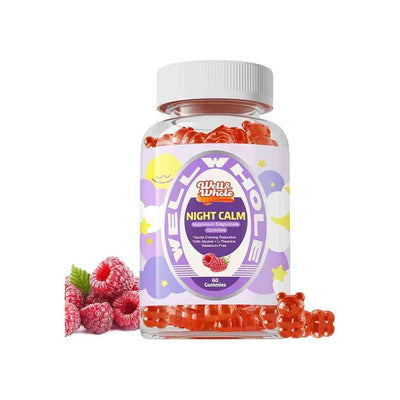
Putting it simply: if this is something you want to add to your routine, our Magnesium Bisglycinate Gummies with Apigenin & B6, Melatonin Free, 60 Ct | Gentle on Stomach, Chelated with Glycine, Night Calm Routine and Sleep & Calm Support Bundle are a good place to start. The wider Sleep Support collection is worth a look, and the Magnesium range covers related formats.
These statements have not been evaluated by the Food and Drug Administration. This product is not intended to diagnose, treat, cure, or prevent any disease.