Does Lysine Help with Shingles?

Does Lysine Help with Shingles?
Dealing with shingles can feel like an exhausting battle — the burning rash, the nerve pain that seems to travel along your ribs or face, and the overall fatigue that makes daily life difficult. If you’ve been searching for supportive ways to get through it, you may have come across lysine as a potential natural aid. But does it actually help, or is it just another internet rumor? Let's walk through what the science says, how lysine works, and whether it deserves a place in your shingles recovery plan. Along the way, you’ll see why quality matters if you decide to give it a try, and how brands like well&whole fit into the picture.
Understanding Shingles and Its Viral Roots
Shingles is caused by the reactivation of the varicella-zoster virus — the same virus that causes chickenpox. After you recover from chickenpox, the virus doesn’t leave your body; it hides quietly in nerve tissue for years, sometimes decades. When your immune defenses dip due to stress, illness, or aging, the virus can wake up and travel along nerve pathways to the skin, producing painful blisters and a characteristic rash. The pain, called postherpetic neuralgia in some cases, can linger long after the rash heals. Although antiviral medications like acyclovir are the standard treatment, many people look for complementary nutritional support to help their body fight back more effectively.
Summary: Shingles is a nerve-related viral reactivation that significantly impacts quality of life, creating a need for both medical and supportive nutritional strategies.
The Role of Lysine in the Body
Lysine is an essential amino acid, meaning your body cannot produce it and you must get it from food or supplements. It plays a key role in collagen formation, calcium absorption, and immune function. But what makes lysine particularly interesting for viral conditions like shingles is its relationship with another amino acid: arginine. Many viruses, including herpes-family viruses, require arginine to replicate efficiently. Lysine and arginine compete for the same transport pathways in cells. When lysine levels are high relative to arginine, it can theoretically slow down viral replication by reducing the availability of arginine. This simple yet elegant mechanism has been studied most extensively for oral herpes (cold sores), but the same principle may extend to the varicella-zoster virus.
Summary: Lysine’s core benefit lies in its ability to compete with arginine, potentially creating an environment less favorable for viral activity.
How Lysine May Influence Shingles Recovery
Direct clinical trials on lysine for shingles are limited, but the existing evidence and anecdotal reports are encouraging. Some studies have found that high-dose lysine supplementation can reduce the intensity and duration of herpes simplex outbreaks, and researchers hypothesize a similar effect might apply to shingles due to the close viral relation. The main proposed benefit is a faster drying up of blisters and a reduction in the severity of nerve pain when lysine is taken early in the episode. Many integrative health practitioners recommend boosting lysine intake at the first sign of shingles symptoms while simultaneously limiting arginine-rich foods like nuts, chocolate, and seeds. This approach helps maintain a favorable lysine and arginine balance for viral infections, which is one of the long-tail concepts gaining traction in natural health circles.
Another angle is lysine’s supportive role in collagen production and tissue repair, which may help the skin heal more smoothly once the active viral phase subsides. For someone dealing with the ghastly rash, any accelerated skin repair can feel like a relief.
Summary: While not a standalone cure, lysine may help shorten blister duration and reduce pain intensity when combined with a smart diet strategy and medical care.
Using Lysine Supplements Wisely — and Why Quality Counts
If you’re thinking about adding lysine to your shingles management plan, the form and purity of the supplement matter. Look for L-lysine monohydrochloride, the most bioavailable form. Typical doses used in studies range from 1,000 to 3,000 mg daily, divided into two or three doses to maximize absorption and minimize stomach upset. Some users searching for a specific lysine supplement dosage for shingles will find that many holistic protocols start with 1,000 mg twice a day during an active outbreak, then taper down as symptoms improve. Of course, you should always discuss any new supplement with your healthcare provider, especially if you're on antiviral prescriptions.
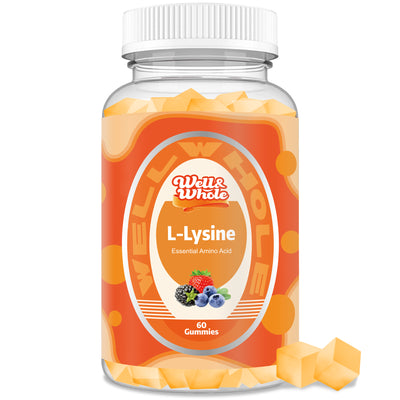
This is where well&whole becomes more than just a name on a bottle. As a brand committed to supplying high-quality nutritional ingredients to the global market, well&whole focuses on rigorous purity testing and transparent sourcing. Their L-lysine offerings are designed for those who want a clean, reliable supplement without unnecessary fillers or questionable additives. In an industry full of shortcuts, knowing your lysine comes from a manufacturer that prioritizes GMP standards provides peace of mind.
Summary: Choosing a pure, well-manufactured lysine supplement like those from well&whole can make a tangible difference in your recovery experience and overall safety.
A Broader Toolkit for Managing Shingles Naturally
Lysine works best as part of a larger strategy. Alongside your supplement, try to consume lysine-rich foods like fish, chicken, eggs, and dairy while temporarily avoiding high-arginine items. Stress management is crucial — meditation, gentle stretching, and good sleep support your immune system’s ability to keep the virus in check. Topical calamine lotion or cool compresses can ease local discomfort. Some people also find that vitamin C, zinc, and B-complex vitamins help fortify the body’s defense systems. This multi-layered approach is what gives you the best chance at not just surviving shingles, but getting back to your normal self faster. Searching for natural remedies for shingles pain often leads people down dozens of conflicting paths, but lysine’s scientific rationale and solid safety profile make it a standout candidate.
Remember, no single nutrient works miracles in isolation. The power lies in the synergy — and lysine can be one of the strong links in that chain.
Summary: Integrating lysine into a well-rounded lifestyle and dietary adjustment plan can enhance your body’s capacity to handle shingles more comfortably and recover with fewer complications.
Frequently Asked Questions
Can I take lysine along with prescription antiviral drugs for shingles?
In most cases, lysine is safe to combine with antiviral medications like acyclovir or valacyclovir, but you should inform your doctor. No major interactions have been reported; however, your physician can advise on timing and dosing based on your individual condition.
How soon can I expect to see improvement when taking lysine for shingles?
Some individuals report less tingling and faster crusting of blisters within the first 48 to 72 hours when they start lysine at the earliest sign of an outbreak. Consistency with the recommended dosage is key, and results can vary depending on the severity of the infection.
Is it safe to take lysine for extended periods, or only during an active shingles outbreak?
Lysine is generally considered safe for daily use within the typical 1,000–3,000 mg range. For long-term prevention of herpes-family virus recurrences, some people take a lower maintenance dose. Minor side effects like gastrointestinal discomfort may occur, so it’s wise to start low and increase gradually while staying within the safe upper limit suggested by your healthcare provider.
These statements have not been evaluated by the Food and Drug Administration. This product is not intended to diagnose, treat, cure, or prevent any disease.