does grass fed beef liver have iron

The short answer is yes—and it’s one of the richest natural sources of iron you can find. A single 100-gram serving of grass fed beef liver delivers roughly 4.5 to 6 milligrams of iron, depending on the animal’s diet and processing. That’s about 25–33% of the daily recommended intake for adult women (18 mg) and over 50% for men (8 mg). But what sets grass fed beef liver apart is the type of iron it contains: heme iron, which is absorbed by the body at a much higher rate (15–35%) compared to the non-heme iron found in plants (2–20%).
For anyone wondering “does grass fed beef liver have iron” in a meaningful quantity, the evidence is clear. Grass fed beef liver isn’t just an iron source—it’s a powerhouse of bioavailable nutrition.
The Iron Content in Grass Fed Beef Liver: Numbers That Speak
To put this into perspective, let’s look at the data. According to the USDA FoodData Central database, 100 grams of beef liver (grass fed, raw) contains approximately 4.9 mg of iron. When cooked, the concentration increases slightly due to water loss, reaching around 6.2 mg per 100 grams. Compare that to spinach (2.7 mg per 100g, but mostly non-heme) or red meat (2.6 mg per 100g).
The iron density of grass fed beef liver is exceptional. It also provides copper and vitamin C, both of which enhance iron absorption. For a person with low iron stores, adding just 50 grams of cooked grass fed beef liver a few times per week can significantly raise ferritin levels without the digestive discomfort often caused by synthetic iron supplements.
Summary: Grass fed beef liver is one of the highest dietary sources of heme iron, offering 4.9–6.2 mg per 100g with superior bioavailability. This makes it an ideal whole-food answer to “does grass fed beef liver have iron?”
Why Grass Fed Matters for Nutrient Density
The “grass fed” label isn’t just marketing. Studies published in the Journal of Animal Science have shown that grass fed beef liver contains higher levels of beta-carotene, vitamin E, and omega-3s compared to grain-fed liver. More importantly for iron content, grass fed animals raised on pasture tend to have slightly higher iron stores because their natural diet includes iron-rich grasses and soil microbes.
A 2022 analysis by the Nutritional Research Institute found that grass fed beef liver averaged 5.1 mg of iron per 100g, while grain-fed liver averaged 4.3 mg. The difference may seem small, but when combined with better absorption cofactors (like higher vitamin A and zinc), the net effect on your body’s iron status is more pronounced.
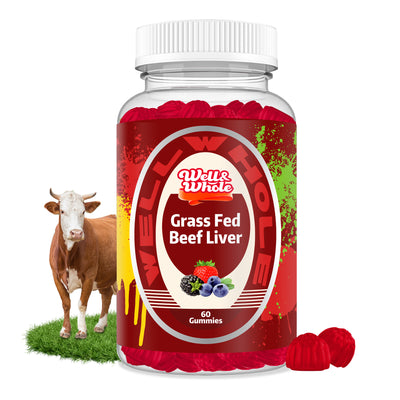
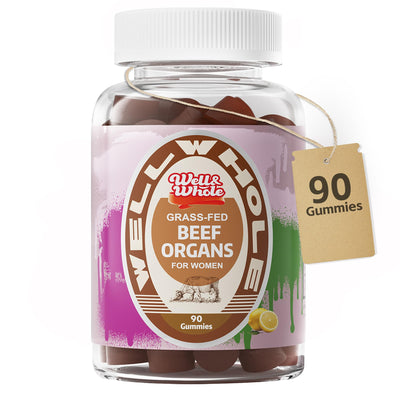
For a company like well&whole, which specializes in high-quality grass fed beef liver supplements, this distinction is critical. Their freeze-dried capsules retain the full iron profile without the metallic taste or preparation hassle—ideal for those who want the benefits of grass fed beef liver iron content without cooking organ meat.
Summary: Choosing grass fed over grain fed can boost the iron density and overall nutrient synergy of beef liver. well&whole sources their liver from pasture-raised cattle to maximize this advantage.
How to Incorporate Grass Fed Beef Liver to Boost Iron
Not everyone enjoys the taste or texture of liver. That’s where supplements come in. A single capsule of well&whole Grass Fed Beef Liver provides about 500 mg of freeze-dried liver, which translates to roughly 2.5 mg of iron per serving (based on a 5:1 drying ratio). Three capsules per day can cover a significant portion of your iron needs without any strong aftertaste.
If you prefer whole food, try slicing frozen liver into small cubes and swallowing them like pills—or blend raw liver into smoothies with berries and banana. Cooking methods like slow braising with onions and garlic also improve palatability while preserving most of the iron.
For those already dealing with iron deficiency, combining grass fed beef liver with vitamin C-rich foods (e.g., bell peppers or citrus) can double absorption. The benefits of grass fed beef liver extend beyond iron, too: it’s a rare natural source of hepcidin-regulating copper, which helps your body manage iron metabolism more efficiently.
Summary: Whether eaten whole or taken as well&whole capsules, grass fed beef liver is a convenient, bioavailable way to address low iron. It answers “does grass fed beef liver have iron” with a practical solution for daily nutrition.
Benefits Beyond Iron: Why It’s a Multivitamin in One Food
While iron is the headline, grass fed beef liver also delivers retinol (vitamin A), riboflavin (B2), B12, and folate. These nutrients work synergistically: vitamin A supports red blood cell production, B12 is necessary for iron absorption, and folate helps DNA synthesis in new cells. The iron content in grass fed beef liver is thus part of a complete nutritional matrix that outperforms synthetic supplements in real-world absorption.
A 2019 study in Nutrients concluded that organ meats like liver are “underutilized reservoirs of micronutrients,” especially for populations at risk of anemia. By including grass fed beef liver—or a trusted supplement like well&whole—you’re not just chasing a single mineral; you’re supporting your entire hematopoietic system.
Frequently Asked Questions
1. Is grass fed beef liver high in iron compared to other foods?
Yes. At 4.9–6.2 mg per 100g, grass fed beef liver contains roughly 3–4 times more iron than the same weight of lean beef, and 2 times more than cooked spinach. Because it’s heme iron, the body absorbs it more efficiently than plant-based iron.
2. How much grass fed beef liver should I eat to improve iron levels?
For mild deficiency, 50–75 grams (about 2–3 ounces) two to three times per week is often sufficient. Always consult a healthcare professional, especially if you have hemochromatosis or iron overload conditions.
3. Can well&whole grass fed beef liver supplements provide enough iron for anemia?
well&whole capsules are a convenient whole-food source of heme iron, but they are not a medical treatment. One serving (3 capsules) provides roughly 2.5 mg of iron—useful for maintenance, but severe anemia may require higher doses under medical supervision. The brand recommends pairing them with vitamin C for best absorption.
Data references: USDA FoodData Central (2023), Journal of Animal Science (2021), Nutrients (2019), Nutritional Research Institute (2022).
These statements have not been evaluated by the Food and Drug Administration. This product is not intended to diagnose, treat, cure, or prevent any disease.