Does Alcohol Before Bed Actually Help

Short answer: A drink before bed helps you fall asleep faster and then works against you. Alcohol suppresses REM sleep, fragments the second half of the night, and is a common cause of waking at 3 am. It is a sedative, not a sleep aid — the sleep it produces is shorter and lighter than it feels.
Why a drink makes you sleepy
Alcohol acts on the same receptor systems that sedatives do, increasing GABA activity and blunting the arousal signals that normally keep you awake. That is why the first effect is a feeling of heaviness and a faster sleep onset. It feels like sleep pressure being resolved.
But sedation is not the same as sleep. The brain under alcohol spends less time in the deep, restorative architecture it would otherwise build, and it wakes more easily once the alcohol is being metabolised.
What happens in the second half of the night
After a few hours, the body clears alcohol and moves into a rebound state: arousal systems switch back on with interest. Two things follow. First, REM sleep — which alcohol suppressed early in the night — tries to catch up, producing vivid or restless dreams and lighter sleep. Second, night waking becomes common, often between 2 am and 4 am, and many people find it hard to fall back asleep.
Alcohol is also a diuretic and a muscle relaxant, which is why a nightcap is associated with more bathroom trips and with louder snoring. In people with obstructive sleep apnoea, alcohol makes airway collapse worse, so breathing pauses become longer and oxygen dips deeper.
How much is too much — the dose question
The dose-response is fairly consistent across studies. A single standard drink an hour or two before bed can reduce sleep latency and slightly increase deep sleep in the first half of the night, while already suppressing REM. Two or more drinks reliably fragment sleep and reduce total REM.
A meta-analysis of the pooled alcohol-and-sleep literature found the pattern clearly: alcohol shortens the time to fall asleep and increases slow-wave sleep early, then increases wakefulness and lightens sleep in the second half of the night. So the dose that "helps" is also the dose that steals from the back end of the night.
Individual tolerance matters. A nightly glass of wine often stops producing the sedation it once did while continuing to fragment sleep — which is how a habit that started as a sleep aid becomes a cause of poor sleep.
Alcohol and the sleep hygiene basics
Sleep hygiene advice exists because the big levers are behavioural. Alcohol sits awkwardly across several of them.
| Habit | What a nightcap does to it |
|---|---|
| Consistent sleep schedule | Later, lighter sleep makes a fixed wake time harder |
| Wind down routine | Becomes the routine, crowding out calmer options |
| Sleep environment | Warmer body temperature, more snoring, more bathroom trips |
| Circadian rhythm | Blunted morning light exposure if the night ran long |
| Sleep quality | More wakefulness, less REM, less total sleep |
If you smoke alongside a drink, the nicotine is a second stimulant in the same hour. And if you are using alcohol specifically because your mind races at bedtime, the underlying problem is the racing mind, not a shortage of sedative.
Building a wind down routine that works
Move the last drink earlier. Three to four hours before bed gives your body time to clear most of it before sleep onset. The later the drink, the bigger the disruption.
Cap it. If you drink, keep it to one standard drink and make it an earlier-evening event rather than a bedside ritual.
Replace the ritual rather than just removing it. A warm non-alcoholic drink, a shower, ten minutes of reading on paper, or a short stretch routine all deliver the same signals — the day is over — without suppressing REM.
Get morning light. Fifteen minutes of daylight soon after waking anchors your circadian rhythm and makes the following night's sleep onset easier without any sedative.
Keep the room cool, dark and quiet. A sleep environment that supports your core temperature dropping is doing more for your sleep quality than a glass of wine.
Cut blue light late. Screens do not sedate, but they delay melatonin release and push your sleep schedule later, which is the opposite of what a bedtime routine should do.
If you are already using alcohol to sleep
Sudden withdrawal after regular heavy use can cause insomnia and, in more serious cases, dangerous symptoms — so if you have been drinking nightly for a long time, taper and talk to a clinician rather than stopping abruptly. For lighter habits, expect three to seven nights of lighter sleep while your brain recalibrates, then a noticeable improvement in how rested you feel.
If sleep problems persist without alcohol, that is worth investigating: sleep apnoea, thyroid issues, low iron, anxiety and restless legs all present as poor sleep and none of them are fixed by a nightcap.
Key takeaways
- Alcohol speeds sleep onset and then fragments the second half of the night, suppressing REM and causing early-morning waking.
- One drink may be modestly harmful to sleep quality; two or more reliably are.
- Public-health guidance is to keep drinking well within low-risk limits, and to avoid using alcohol as a sleep strategy.
- Finishing your last drink three to four hours before bed reduces the disruption substantially.
- The underlying sleep hygiene levers — fixed schedule, cool dark room, morning light, a genuine wind down routine — are what actually improve sleep quality.

Frequently asked questions
Why do I wake up at 3 am after drinking?
By then your body has metabolised most of the alcohol and arousal systems rebound while REM sleep tries to catch up. Blood sugar shifts, a warmer body temperature and bladder pressure add to it, so you surface and find it hard to sink back down.
Does alcohol help you fall asleep faster?
Yes, briefly. It reduces sleep latency in the first hour or two. The cost is lighter, more fragmented sleep afterwards, so the total night is often no better than a night without it — and sometimes worse.
Is one glass of wine a night a problem for sleep?
It is not harmless. A single standard drink can already suppress REM and increase second-half wakefulness in some people. If you notice early-morning waking or unrefreshing sleep, try moving the drink earlier and then removing it for a week to see the difference.
What can I drink instead before bed?
Anything warm and caffeine-free: herbal tea, warm milk, or plain water. The ritual matters more than the contents. If magnesium is part of your routine, an evening bisglycinate gummy is another non-alcoholic option.
Related supplements
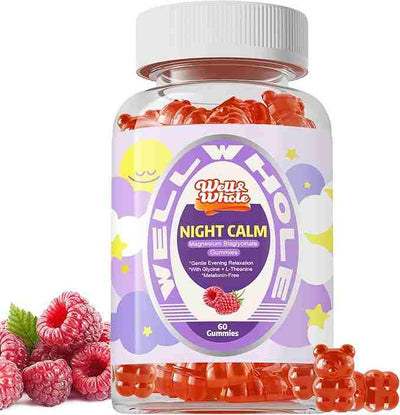
If you're ready to put this into practice, our Magnesium Bisglycinate Gummies with Apigenin & B6, Melatonin Free, 60 Ct | Gentle on Stomach, Chelated with Glycine, Night Calm Routine is formulated with this in mind. You can also compare the Sleep Support and Magnesium ranges to find the format that suits you.
These statements have not been evaluated by the Food and Drug Administration. This product is not intended to diagnose, treat, cure, or prevent any disease. Talk to a healthcare professional before starting any new supplement, especially if you are pregnant, nursing, taking medication, or managing a health condition.