Do Lysine Supplements Cause Weight Gain?

Do Lysine Supplements Cause Weight Gain?
If you've ever wondered whether adding lysine supplements to your daily routine might tip the scale, you're not alone. Many people associate amino acid supplements with muscle building, which can lead to concerns about unwanted weight gain. Let's cut through the confusion and look at what the science actually says about lysine and body weight.
Key Takeaways
- L-lysine is an essential amino acid the body cannot produce, so it must come from food or supplements.
- It is commonly associated with skin and immune-system support routines, especially around cold-sore season.
- Follow the labeled serving; space from other amino acids if advised, and check interactions with a healthcare professional.
Understanding Lysine and Its Role in the Body
Lysine is an essential amino acid, meaning your body cannot produce it on its own. You must get it from food or supplements. It plays a critical role in protein synthesis, calcium absorption, and the production of enzymes and hormones. Without adequate lysine, your body cannot repair tissues, produce collagen, or support a healthy immune system.
Does lysine directly cause fat gain? No. There is no biochemical mechanism by which lysine itself triggers fat storage. Calories drive weight gain, not individual amino acids. In fact, lysine is often used to support lean body mass maintenance, especially in people who are undernourished or recovering from illness. According to the National Institutes of Health (NIH), lysine deficiency is more associated with weight loss, fatigue, and impaired growth — not weight gain.
Key takeaway: Lysine supplements do not inherently cause fat accumulation. They are a building block for proteins, not a direct source of excess calories.
How Lysine Affects Metabolism and Appetite
Some people report feeling hungrier when taking lysine, which might lead to eating more. This is not a universal effect, but it can happen because lysine influences certain neurotransmitters like serotonin. A 2016 review in Nutrients noted that amino acid imbalances can affect appetite regulation in animal models, but human data are limited and inconsistent.
For most individuals, lysine supplementation has no significant impact on appetite or metabolic rate. A study published in the Journal of the International Society of Sports Nutrition (2017) found that lysine combined with other amino acids supported muscle protein synthesis without causing changes in body fat percentage. The real concern is not lysine itself but the extra calories people might consume if they misinterpret hunger cues.
Summary: There is no solid evidence linking lysine to increased appetite or slower metabolism. If weight gain occurs, look at your total calorie intake rather than blaming the supplement.
The Difference Between Weight Gain and Muscle Growth
Here's where confusion often creeps in. Lysine is a key component of muscle tissue. When you take lysine supplements (especially alongside adequate protein and exercise), your body may build more muscle mass. Muscle weighs more than fat, so the number on the scale might go up, but that's a positive change — not unhealthy weight gain.
Distinguishing between fat gain and lean mass increase is essential. A 2019 meta-analysis in Clinical Nutrition concluded that essential amino acid supplementation, including lysine, can improve lean body mass in older adults and athletes. If you notice your clothes fitting tighter but your waistline staying the same, it's likely muscle, not fat.
Takeaway: Any weight increase from lysine is typically related to muscle development, not fat storage. This is actually beneficial for overall health and metabolism.
Who Should Consider Lysine Supplements?
Lysine supplementation is most beneficial for people with specific needs, such as vegans who may have lower lysine intake, individuals recovering from burns or surgery, or those managing cold sores (herpes simplex). For general weight maintenance, lysine is neither a threat nor a magic bullet.
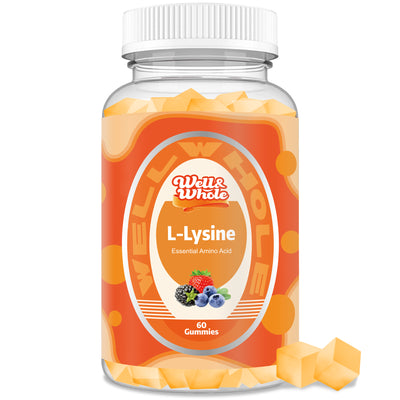
At well&whole, we formulate our lysine supplements with purity and bioavailability in mind. Our products are designed to support your body's natural functions without unnecessary additives that could disrupt your weight goals. Always pair supplements with a balanced diet and regular activity.
Summary: Lysine supplements are safe for most adults. Weight gain is not a known side effect when used correctly. If you experience changes, evaluate your overall diet and lifestyle first.
Frequently Asked Questions
Q1: Can lysine supplements make me gain belly fat?
No. There is no direct link between lysine and abdominal fat storage. Belly fat accumulation is primarily driven by excess calories, poor diet, and hormonal factors. Lysine does not alter fat distribution.
Q2: How much lysine is safe to take daily without affecting weight?
The typical lysine supplement dosage ranges from 500 mg to 3,000 mg per day. Studies show doses up to 3 g are well-tolerated. Stick to the recommended amount on the product label (like well&whole's) and avoid megadosing, which may cause digestive upset but not weight gain.
Q3: Will lysine cause water retention or bloating?
Lysine is not known to cause water retention. Some amino acid supplements can cause mild bloating in sensitive individuals, but this is rare. If you experience bloating, check for other ingredients or try taking it with food.
What L-lysine does in the body
Lysine is one of the nine essential amino acids used to build proteins. It contributes to normal protein synthesis and is found naturally in meat, fish, dairy, and legumes.
Many people explore lysine during periods when they want extra immune and skin-support routines, such as around seasonal stress.
How L-lysine is commonly taken
It is available as capsules, gummies, and powders. A typical approach is a consistent daily serving, though some people adjust timing around specific needs.
Because it is an amino acid, taking it with food is common, but the best routine is the one you will follow consistently.
Who might be interested
Adults focused on skin and immune support, and those with diets low in complete proteins, often consider lysine.
Vegetarians and vegans may pay extra attention, since plant proteins can be lower in lysine.
How to choose a quality lysine supplement
Check the elemental L-lysine amount per serving and look for third-party testing. Gummies offer convenience; capsules offer precision.
If you take calcium or other minerals, discuss timing with a healthcare professional.
This article is for general wellness education and is not intended to diagnose, treat, cure, or prevent any condition. Individual needs vary—always review product labels and consult a qualified healthcare professional before starting any new supplement.
Related supplements
Explore the full well&whole supplement collection to find formats and combinations that fit your routine.
These statements have not been evaluated by the Food and Drug Administration. This product is not intended to diagnose, treat, cure, or prevent any disease.