Do Any Supplements Help Lower Cholesterol Truth and Evidence
Learn do any supplements help lower cholesterol with evidence based guidance on plant sterols fiber omega 3s and safe heart healthy choices

You might have noticed that almost everyone has an opinion on how to tackle high cholesterol. Your doctor might be nudging you toward a prescription, while your social feed is screaming that all you need is a handful of daily pills from the vitamin aisle.
But let’s be honest: do any supplements help lower cholesterol, or are you just buying expensive urine?
The short answer is yes—a few specific options can genuinely move the needle. But there is a massive catch. While certain plant sterols and stanols or soluble fiber supplements like psyllium husk for heart health offer modest, proven support, much of the supplement aisle is a marketing minefield. In fact, major clinical studies like the landmark SPORT trial have shown that many popular heart supplements perform no better than a sugar pill when it comes to lowering LDL cholesterol naturally.
If you are trying to navigate dietary approaches to hyperlipidemia (the clinical name for high blood fats), looking for natural alternatives to statins due to statin-induced muscle pain, or simply trying to map out your cardiovascular health risk, you need facts, not hype.
We are going to skip the textbook jargon and break down exactly what works, what doesn't, and what is a flat-out waste of your money.
Let's dive right in.
Catching Up on the Facts: Do Supplements Actually Work for Cholesterol?
If you are looking into natural alternatives to statins, you are not alone. Millions of Americans actively search for ways to manage their lipid panels without jumping straight to prescription medication. The short answer is yes, certain supplements can help lower cholesterol, but they are not a magic cure. They do not work the same way for everyone, and they rarely match the dramatic impact of pharmaceutical interventions.
The Bottom Line on Natural Alterations
When it comes to lowering LDL cholesterol naturally, expectations must meet reality. Dietary supplements can provide a modest 5% to 15% reduction in LDL ("bad") cholesterol, which might be just enough if your numbers are only slightly elevated. However, the supplement market is flooded with overhyped claims. To protect your cardiovascular health risk, you need to separate science-backed options from clever marketing.
The Reality Check: The SPORT Trial vs. Prescription Statins
The most definitive reality check for cholesterol supplements came from the landmark SPORT trial (Supplements, OTC Products, Policy, and Low-Dose Statin Trial). This clinical study pitted low-dose prescription statins against six common dietary supplements, including fish oil, garlic, cinnamon, turmeric, plant sterols, and red yeast rice.
The findings were clear:
- Prescription Statins: Demonstrated a significant, powerful reduction in LDL cholesterol (averaging around 35%).
- Dietary Supplements: Showed no statistically significant reduction in LDL cholesterol compared to the placebo.
- Garlic and Turmeric: Actually showed slight increases in LDL during the trial period.
Supplements can play a supportive role in overall heart-healthy lifestyle changes, but they cannot replicate the mechanism of medical HMG-CoA reductase inhibitors. If you face high cardiovascular risk, supplements should supplement—not replace—clinical prescription lipid-lowering drugs.
The Tier 1 Contenders: Supplements with Real Clinical Backing
If you are looking for natural alternatives to statins, a few options actually have the clinical data to back up their claims. While many products on the market make big promises, only a select group of dietary approaches to hyperlipidemia consistently show results in human trials. When looking at whether any supplements help lower cholesterol, these are the top-tier options worth discussing.
Plant Sterols and Stanols for Blocking Absorption
Plant sterols and stanols are naturally occurring compounds found in fruits, vegetables, and grains that mimic the structure of cholesterol. Because they look so similar, they compete with cholesterol for absorption in your digestive tract, effectively blocking it from entering your bloodstream.
- How they work: They bind to receptors in the intestines, preventing both dietary cholesterol and the cholesterol produced by your liver from being absorbed.
- The clinical result: Consistently consuming 2 grams of sterols or stanols per day can lower LDL cholesterol by 8% to 12%.
- Usage tip: They work best when taken with meals that contain healthy fats.
Soluble Fiber and Psyllium Husk for Heart Health
Adding soluble fiber supplements to your daily routine is one of the easiest and most effective ways to target a high cardiovascular health risk. Among these, psyllium husk for heart health is the most thoroughly researched option available.
- The Mechanism: Soluble fiber turns into a gel-like substance in your gut. This gel traps cholesterol-rich bile acids, forcing your body to excrete them rather than reabsorb them. To make more bile, your liver has to pull LDL cholesterol directly out of your blood.
- The Impact: Taking 5 to 10 grams of soluble fiber daily can drop your LDL levels by 5% to 10%.
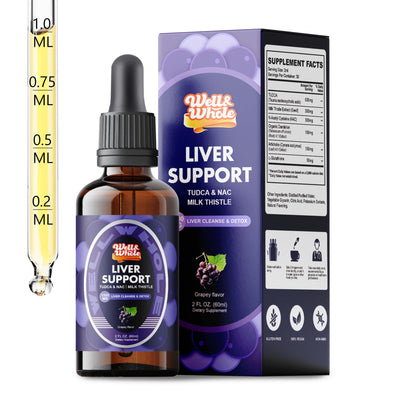
While optimizing your cardiovascular routine, keeping your digestive and filtration systems running smoothly is equally essential. Incorporating a high-quality liver support liquid drops supplement can help maintain overall metabolic health, ensuring your body processes nutrients and filters waste efficiently alongside your heart-healthy lifestyle changes.
The Complicated Middle: Supplements with Major Caveats
When looking for natural alternatives to statins, many options fall into a gray area. These supplements might show some promise, but they come with significant warnings, side effects, or drug interactions that require careful attention.
Red Yeast Rice and the Monacolin K Risk
Red yeast rice is a popular choice for lowering LDL cholesterol naturally because it contains monacolin K. This compound is chemically identical to lovastatin, a prescription medication. While it can effectively lower lipid levels, it carries the exact same risks as prescription statins, including liver toxicity and muscle pain. Furthermore, supplement manufacturing lacks strict standardization, meaning monacolin K levels can vary wildly from bottle to bottle, or even be completely absent.
Omega-3 Fatty Acid Fish Oil for High Triglycerides
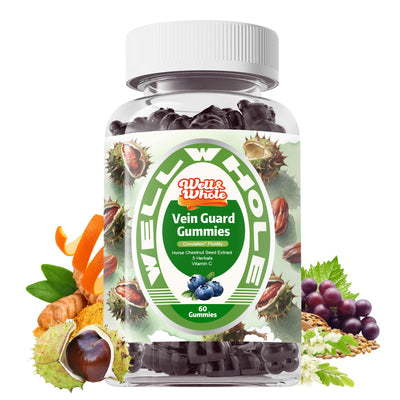
Omega-3 fatty acid fish oil is highly effective, but it is often misunderstood. While it is one of the best supplements for high triglycerides, high-dose fish oil does not typically lower LDL cholesterol. In fact, some formulations can actually raise your bad cholesterol levels. If your primary goal is managing hyperlipidemia and overall cardiovascular health risk, relying solely on over-the-counter fish oil without tracking your specific lipid breakdown can be counterproductive. To support broader vascular health and healthy blood flow alongside your cholesterol management strategy, incorporating targeted options like horse chestnut extract gummies can help keep your circulation optimal.
Berberine and Potential Drug Interactions
Berberine has gained massive popularity for its ability to alter how the liver processes cholesterol, acting similarly to modern prescription lipid-lowering drugs. However, berberine is a potent inhibitor of major liver enzymes (specifically CYP3A4). This means it can drastically change how your body processes other medications, leading to dangerous build-ups of blood pressure pills, sedatives, or even standard statins.
| Supplement Type | Primary Benefit | Major Caveat / Risk |
|---|---|---|
| Red Yeast Rice | Lowers LDL cholesterol | Unregulated doses; same side effects as prescription statins |
| Omega-3 Fish Oil | Lowers high triglycerides | Can occasionally increase LDL cholesterol |
| Berberine | Mimics clearance mechanisms | Severe drug interactions via liver enzyme inhibition |
The Modern Myth-Busters: Popular Additions with Little to No Effect
When looking into do any supplements help lower cholesterol, it is easy to get caught up in marketing hype. Many popular options on the shelves promise significant heart health benefits but fail to deliver when put to the test against low-density lipoprotein (LDL) levels. While some of these products offer other systemic benefits, they should not be relied upon as natural alternatives to statins or primary tools for lipid management.
Garlic Supplements and Blood Vessel Elasticity
Garlic has been praised for centuries for its medicinal properties, particularly regarding blood pressure and blood vessel elasticity. However, modern clinical data shows that garlic supplements have a negligible impact on lowering your fasting cholesterol numbers. They may slightly improve circulation, but they will not clear LDL from your bloodstream.
Turmeric and Curcumin for General Inflammation
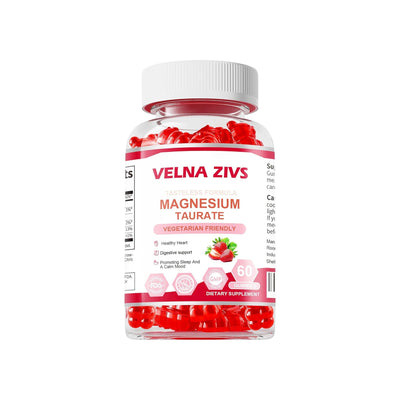
Turmeric and its active compound, curcumin, are fantastic for managing general systemic inflammation. Many individuals manage overall vascular stress by pairing anti-inflammatory routines with targeted support, such as using a high-quality magnesium taurate supplement to promote healthy muscle and nerve function. However, reducing inflammation does not equal reducing cholesterol synthesis. Turmeric does not alter the lipid pathways in the liver, meaning your total cholesterol and triglyceride levels will remain unchanged.
Coenzyme Q10 for Statin-Induced Muscle Pain
Coenzyme Q10 (CoQ10) is frequently recommended to individuals experiencing statin-induced muscle pain. While CoQ10 is vital for cellular energy production and can sometimes ease the muscle soreness associated with prescription lipid-lowering drugs, it does absolutely nothing to lower cholesterol on its own.
- Garlic: Helps with vessel elasticity, not LDL reduction.
- Turmeric: Reduces systemic inflammation, not lipid levels.
- CoQ10: Eases statin-related muscle discomfort, not cholesterol numbers.
Navigating Quality: Why the Supplement Aisle is the Wild West

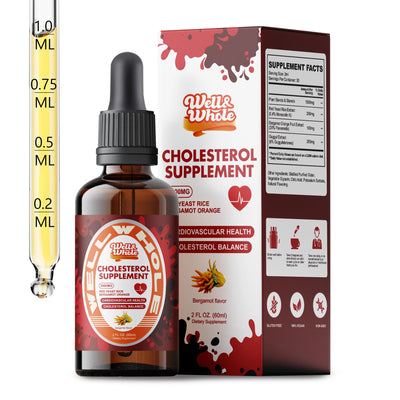
Walking down the vitamin aisle can feel overwhelming. With hundreds of brands promising to be the ultimate natural alternatives to statins, it is easy to get caught up in the hype. However, the reality of the supplement industry requires a major dose of caution. If you are looking for the best ways to support your cardiovascular system, you have to be incredibly selective about what you put into your body. To help clear the confusion, we formulated our specialized Cholesterol Support Liquid Drops with clean, targeted ingredients to give you a reliable, straightforward option.
FDA Regulation of Dietary Supplements
Many consumers assume that every bottle on the shelf undergoes rigorous testing before hitting the market. In the United States, that is simply not the case.
- The Pre-Market Reality: Unlike prescription lipid-lowering drugs, dietary supplements do not require approval from the Food and Drug Administration (FDA) before they are sold.
- Post-Market Accountability: The FDA only steps in after a product is already on the market, usually if consumers report adverse side effects or if a manufacturer makes illegal health claims.
- Quality Discrepancies: This loose regulatory framework means that individual batches can vary wildly in potency, and some products may not even contain the active ingredients listed on the label.
Third-Party Verification Marks to Protect Your Health
Because you cannot rely on federal vetting alone, you must look for independent proof of quality to protect your health.
| Verification Organization | What They Seal Identifies |
|---|---|
| USP (U.S. Pharmacopeia) | Verifies that the product actually contains the ingredients listed on the label in the correct potencies, and ensures it is free of harmful contaminants like heavy metals. |
| NSF International | Confirms that the manufacturing facility meets strict public health and safety standards, verifying label accuracy. |
| ConsumerLab.com | Independently tests off-the-shelf products to see if they pass or fail basic identity, purity, and breakdown tests. |
When searching for options like soluble fiber supplements or plant sterols and stanols, always look for these independent testing seals on the bottle. Taking control of your heart health requires high-quality, verified ingredients, not marketing guesswork.
The Blueprint: Building a True Heart-Healthy Lifestyle Change
When you are looking for ways to lower LDL cholesterol naturally, it is easy to get caught up in the supplement aisle. But let's be real: no pill can outwork a poor diet or a sedentary lifestyle. True cardiovascular wellness requires a foundational shift in your daily habits. If you are looking to support your body's vital organs, incorporating targeted nutrients like a high-quality beef organ supplement for heart health can be a great addition to a clean diet, but the core strategy must always focus on sustainable daily choices.
Dietary Approaches to Hyperlipidemia Over Pill-Popping
Swapping out processed foods for whole, nutrient-dense options is the most effective way to manage your lipid panel. Instead of looking for a quick fix, focus on these proven heart-healthy lifestyle changes:
- Load up on soluble fiber: Foods like oatmeal, kidney beans, Brussels sprouts, and pears actively bind to cholesterol in your digestive system and drag it out of your body.
- Slash saturated and trans fats: Cut back on fatty cuts of meat, butter, and processed snacks. Switch to healthy fats like olive oil, avocados, and walnuts.
- Increase physical activity: Aim for at least 150 minutes of moderate aerobic exercise per week to help raise your HDL ("good") cholesterol and lower triglycerides.
When to Transition to Prescription Lipid-Lowering Drugs
Diet and lifestyle adjustments are incredibly powerful, but they have their limits. For some people, genetics play a massive role in how the liver processes lipids, making it nearly impossible to reach safe targets through lifestyle alone.
You should talk to your doctor about transitioning to prescription lipid-lowering drugs if your LDL levels remain dangerously high after three to six months of strict dietary changes, or if you have a high underlying cardiovascular health risk due to family history, diabetes, or hypertension. Supplements can support your wellness journey, but they should never replace proven medical treatments when your long-term health is on the line.
Frequently Asked Questions About Lowering LDL Cholesterol Naturally
When looking into whether do any supplements help lower cholesterol, questions naturally pop up about how to combine these options with routine medical care. Here are the direct answers to the most common questions we get from folks trying to navigate their lipid panels.
Can I take plant sterols and stanols if I am already on a statin?
Yes, you can. In fact, combining plant sterols and stanols with a prescription statin can offer an additive effect. While statins work by blocking cholesterol production in the liver, sterols and stanols work in the gut to block cholesterol absorption.
- The Mechanism: They clear out different pathways, making them a great dual-threat team.
- The Result: Adding daily sterols to a statin regimen can potentially lower LDL cholesterol by an extra 5% to 15%.
- The Caveat: Always run this by your doctor first to ensure your specific dosage and routine stay aligned.
How long does it take for soluble fiber supplements to reflect on a blood panel?
Patience is key, but you won't have to wait forever. When you start tracking soluble fiber supplements or using psyllium husk for heart health, your body needs a few weeks to adjust and show measurable lipid changes.
| Timeline | What is Happening in the Body |
|---|---|
| Weeks 1–2 | Your digestive system adapts to the increased fiber intake; bile acid binding begins in the gut. |
| Weeks 4–6 | The liver draws more LDL cholesterol from the bloodstream to manufacture new bile acids. |
| Weeks 8–12 | Peak results show up. This is the ideal window to schedule your follow-up fasting lipid panel. |
Should I completely stop eating red meat to reduce cardiovascular health risk?
You do not need to cut out red meat entirely, but moderation and sourcing matter significantly. Total deprivation rarely works long-term, so a strategic shift in your dietary approaches to hyperlipidemia is usually the better play.
- Swap the Cuts: Trade high-fat, marbled ribeyes for lean cuts like flank steak, top sirloin, or 93% lean ground beef.
- Watch the Processing: Eliminate processed meats like bacon, sausage, and cold cuts, which spike cardiovascular health risk far more than fresh meat.
- Portion Control: Keep your red meat intake to one or two servings per week, filling the rest of your days with lean poultry, wild-caught fish rich in omega-3 fatty acid fish oil, and plant-based proteins.
Related supplements
If you're ready to put this into practice, our well&whole Horse Chestnut Extract Gummies, Circulation Supplements for Legs and Cayenne Pepper Heart Health Gummies with Hawthorn & CoQ10 & Turmeric are formulated with this in mind. You can also compare the Heart Health and CoQ10 ranges to find the format that suits you.
These statements have not been evaluated by the Food and Drug Administration. This product is not intended to diagnose, treat, cure, or prevent any disease.