Difference of Essential and Nonessential Amino Acids Explained
Learn the difference of essential and nonessential amino acids and how they support protein synthesis muscle repair and overall wellness

What Are Essential Amino Acids (EAAs)?
When we think about building muscle, recovering from tough workouts, or just maintaining daily energy, we are really talking about the role of amino acids. Often called the building blocks of protein, these compounds are vital for our survival.
Essential amino acids (EAAs) are a specific group of amino acids that your body cannot manufacture on its own. Because your liver cannot synthesize them from other raw materials, you must get them directly through your diet or targeted amino acid supplementation. Without a steady supply of these micronutrients, vital processes like cellular repair and growth simply grind to a halt.
The 9 Essential Amino Acids and Their Biological Roles
Every complete protein you eat relies on a specific lineup of nine distinct EAAs. Each plays a unique, non-negotiable role in keeping your body functioning at its peak:
- Phenylalanine: Acts as one of the primary neurotransmitter precursors, turning into dopamine and norepinephrine to support focus, brain health, and mood regulation.
- Valine: One of the three branched-chain amino acids (BCAAs). It stimulates muscle tissue repair and supports energy production during intense physical activity.
- Threonine: A core structural component of your skin and connective tissue, making it crucial for collagen production and immune function.
- Tryptophan: Best known as the direct precursor to serotonin, the brain chemical that regulates your sleep cycles, mood, and appetite.
- Methionine: Drives your metabolism and detoxification pathways, while also supporting the health of your hair, skin, and nails.
- Leucine: The absolute catalyst for protein synthesis. Leucine acts as the biological switch that tells your muscles to start repairing and growing.
- Isoleucine: Concentrated heavily in muscle tissue, this EAA isolates its focus on hemoglobin production and regulating your daily energy levels.
- Lysine: Vital for bone health, lysine plays a massive role in calcium absorption and the production of hormones and antibodies.
- Histidine: Essential for maintaining the myelin sheaths that protect your nerve cells, while also regulating circadian rhythms and immune responses.
The Dangerous Risk of EAA Deficiency
Skipping out on high-quality dietary protein intake creates a cascade of negative health effects. When your diet lacks a complete plant-based amino acid profile or animal protein sources, your body begins to break down its own muscle tissue to harvest the missing blocks.
An EAA deficiency directly disrupts your nitrogen balance—the measure of nitrogen inhaled versus nitrogen excreted, which indicates whether your body is in a muscle-building or muscle-wasting state. A negative nitrogen balance leads to chronic fatigue, muscle wasting, sluggish wound healing, and a weakened immune system. Ensuring a daily, reliable source of these nine essential building blocks is the only way to safeguard your long-term health and recovery.
What Are Nonessential Amino Acids (NEAAs)?
Definition of Nonessential Amino Acids
Nonessential amino acids (NEAAs) are the building blocks of protein that your body can create entirely on its own. Unlike essential amino acids, you do not need to get these compounds directly from your daily food intake. Your body naturally manages its internal supply to keep cellular processes running smoothly.
The 11 Nonessential Amino Acids Produced by the Liver
The human liver acts as the primary manufacturing hub for these nutrients, utilizing existing nitrogen and carbon chains to synthesize them. There are 11 nonessential amino acids in total:
- Alanine
- Arginine
- Asparagine
- Aspartic Acid
- Cysteine
- Glutamic Acid
- Glutamine
- Glycine
- Proline
- Serine
- Tyrosine
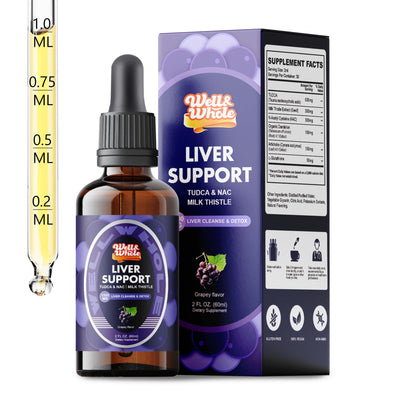
Even though your body builds these naturally, lifestyle factors can occasionally strain your internal production. For comprehensive wellness, keeping your body's metabolic engines running efficiently is crucial, which is why targeted support like our specialized liver support liquid drops supplement can play a vital role in maintaining overall metabolic pathways.
Dispelling the Myth: Why Nonessential Doesn't Mean Unimportant
The term "nonessential" is highly misleading. It only means that eating them is not essential for survival, not that your body does not need them. In fact, these 11 amino acids are absolute workhorses for cellular repair and growth, tissue health, and immune function.
Without a steady internal supply of NEAAs, protein synthesis would stall. They serve as critical neurotransmitter precursors that support brain function, fuel your metabolism, and remove toxic metabolic waste from your system. They are just as critical to optimal health and wellness as their essential counterparts; your body simply takes care of the manufacturing process for you.
The Gray Area: Conditionally Essential Amino Acids

While the difference of essential and nonessential amino acids seems straightforward, there is a middle ground you need to know about. Conditionally essential amino acids are blocks that your body normally manufactures on its own. However, under specific physical circumstances, your internal production cannot keep up with demand, making dietary intake absolute reality.
The Catalysts: How Stress, Training, and Illness Change Your Needs
Your body changes its metabolic priorities during times of high physical stress, intense athletic training, or illness. When your system is taxed, its natural production line slows down right when it needs to ramp up for cellular repair and growth. During these high-demand states, these amino acids must be consumed through your diet or specialized whole-food supplements to maintain a positive nitrogen balance and prevent muscle wasting.
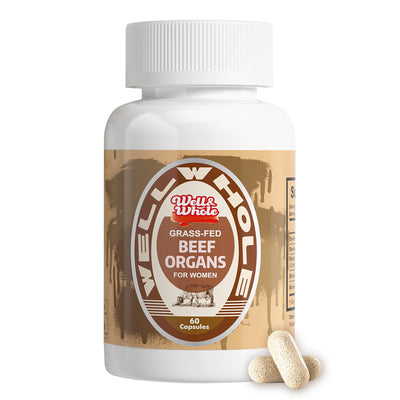
To help your body adapt during times of stress, supporting your system with nutrient-dense organ meats can provide vital metabolic building blocks. For overall wellness, incorporating a targeted grass-fed beef organ supplement helps ensure your body has the deep nutritional foundation required to handle elevated physical demands.
Key Examples: Arginine, Glutamine, and Glycine
Three specific amino acids lead this conditional category:
- Arginine: Crucial for immune function and nitric oxide production, which drives blood flow and cardiovascular health.
- Glutamine: The ultimate fuel source for your gut lining and immune cells; it is rapidly depleted during heavy lifting or severe physiological stress.
- Glycine: Acts as one of the primary neurotransmitter precursors and a foundational element for collagen synthesis, supporting joint and skin integrity.
Essential vs. Nonessential Amino Acids: Side-by-Side Comparison
When looking at the difference of essential and nonessential amino acids, the distinction comes down to your body's manufacturing capabilities. Your body is a master chemist, but it cannot synthesize everything required for cellular repair and growth.
Here is the direct breakdown of how these building blocks of protein stack up against each other:
| Feature | Essential Amino Acids (EAAs) | Nonessential Amino Acids (NEAAs) |
|---|---|---|
| Internal Production | Cannot be made by the body. | Synthesized internally by the liver via various metabolic pathways. |
| Dietary Requirement | Must be consumed daily through food or supplements. | Not required from food, though highly beneficial under stress. |
| Storage Capacity | The body does not store excess EAAs; leftovers are excreted. | Maintained naturally as long as total dietary protein intake is sufficient. |
| Impact of Absence | Halts protein synthesis, leading to muscle wasting and fatigue. | Minimal immediate impact, as the body pulls from its own supply. |
Unlike fat or carbohydrates, your body maintains no long-term storage pool for free-floating amino acids. If your diet lacks a steady supply of EAAs, your system immediately begins breaking down existing muscle tissue repair networks to harvest what it needs. Consuming a balanced mix ensures you maintain a positive nitrogen balance for optimal health and wellness.
How to Optimize Your Intake: Dietary Strategies for Daily Living
To maximize protein synthesis—the process where your body utilizes the building blocks of protein for cellular repair and growth—you need a smart approach to your daily meals. It comes down to understanding the difference of essential and nonessential amino acids in the foods you eat and ensuring your body has a steady supply of both.
Complete vs. Incomplete Proteins
When planning your dietary protein intake, the source of your protein determines how easily your body can fuel muscle tissue repair and maintain a positive nitrogen balance.
- Complete Protein Sources (Animal-Based): Meat, poultry, fish, eggs, and dairy naturally contain all 9 essential amino acids in the right proportions.
- Incomplete Proteins (Plant-Based): Most plant foods lack one or more essential amino acids. However, you can easily build a complete plant-based amino acid profile by combining different foods throughout the day, such as rice and beans, or peanut butter on whole-wheat bread.
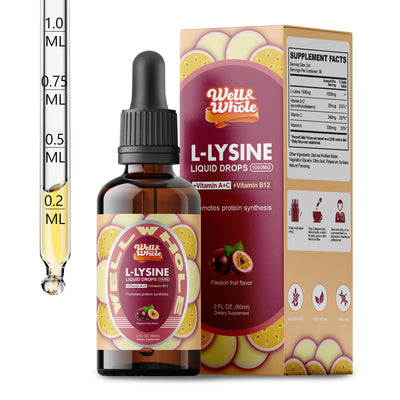
For those looking to target specific wellness goals or fill nutritional gaps, targeted clean supplements like L-Lysine supplement liquid drops offer an easy way to ensure your body gets a reliable dose of crucial essential amino acids without any hassle.
The Importance of Timing for Protein Synthesis
Your body cannot store excess amino acids for later use, making meal timing a critical factor for optimal health and wellness.
- Spread It Out: Instead of eating all your protein at dinner, aim to consume 20 to 30 grams of protein per meal across breakfast, lunch, and dinner. This keeps the metabolic pathways for muscle repair active throughout the day.
- Post-Workout Window: Consume a high-quality protein source within 45 minutes of a workout to immediately kickstart recovery and reverse muscle breakdown.
- Before Bed: A small, slow-digesting protein snack before sleep provides a steady release of amino acids to support overnight recovery.
Do You Need Supplements? (EAAs vs. BCAAs)
Navigating the world of amino acid supplementation often comes down to a battle of acronyms: EAAs vs. BCAAs. While both are popular in the fitness and wellness communities, understanding who benefits most and how to make an informed choice can completely change your results.
Who Benefits Most from Amino Acid Supplementation?
While a balanced diet covers the basics for most people, specific groups experience massive benefits from targeted amino acid supplementation:
- Hard-Training Athletes: Individuals engaging in intense resistance training or endurance sports use these supplements to accelerate muscle tissue repair and maintain a positive nitrogen balance.
- Plant-Based Dieters: Vegans and vegetarians often use amino acid blends to fill in gaps left by an incomplete plant-based amino acid profile.
- People Managing Chronic Stress or Recovery: When the body is under physical stress from illness, injury, or intense lifestyle demands, external amino acids support cellular repair and growth. For those focusing on overall systemic recovery, combining these building blocks with soothing herbal support—like adding slippery elm liquid drops to a wellness routine—helps keep the digestive system running smoothly so nutrients are absorbed efficiently.
- Aging Adults: Older individuals facing natural muscle loss (sarcopenia) use these supplements to stimulate protein synthesis more effectively.
Making an Informed Choice: EAA Blends vs. BCAAs
Choosing between these two supplements depends entirely on your training goals and your current dietary protein intake.
| Supplement Type | What It Contains | Primary Benefit | Best Used For |
|---|---|---|---|
| BCAA Supplements | Only 3 amino acids (Leucine, Isoleucine, Valine) | Triggers the signal for protein synthesis | Reducing muscle soreness during fasted workouts |
| Full EAA Blends | All 9 essential amino acids | Provides the actual raw materials to build muscle | Comprehensive muscle tissue repair and daily recovery |
The takeaway is straightforward: BCAAs flip the switch for muscle growth, but EAAs provide the actual bricks to build the wall. If you only take BCAAs without the other six essential amino acids present in your system, your body cannot successfully complete protein synthesis. For total recovery and optimal health and wellness, a full EAA blend is almost always the superior, more efficient choice.
FAQs About Essential and Nonessential Amino Acids
Can you take essential and nonessential amino acids together?
Yes, you can absolutely take them together, and in fact, your body prefers it. When you eat a standard meal like a chicken breast or a bowl of quinoa and lentils, you are naturally consuming both types simultaneously.
For cellular repair and growth, your body requires a steady pool of all amino acids. Taking them together supports efficient protein synthesis and keeps your metabolism running smoothly. If you use an amino acid supplementation routine, mixing them ensures your body has all the raw materials it needs at once.
What happens if you lack essential amino acids?
Skipping out on these vital compounds breaks the chain of protein synthesis. Because your body cannot manufacture them, a shortage forces your system to pull from its own reserves.
- Muscle Wasting: Your body breaks down existing muscle tissue repair networks to harvest the missing nutrients.
- Negative Nitrogen Balance: A prolonged lack of these building blocks disrupts your nitrogen balance, leading to chronic fatigue.
- Stalled Recovery: It slows down the healing of wounds, injuries, and everyday exercise wear-and-tear.
- Sluggish Metabolism: Many serve as neurotransmitter precursors, so a deficiency can tank your mood, focus, and energy levels.
Are plant proteins complete protein sources?
The short answer is that most standalone plant foods are incomplete proteins, but you can easily achieve a complete protein source by combining them.
While animal products naturally contain the full difference of essential and nonessential amino acids, individual plant foods usually fall short on one or two specific items.
| Plant Food Combo | Missing Amino Acid Solution | Resulting Benefit |
|---|---|---|
| Rice and Beans | Beans lack methionine; rice lacks lysine. Together they balance out. | Complete plant-based amino acid profile |
| Hummus and Pita | Chickpeas and sesame/wheat complement each other perfectly. | Fuel for muscle tissue repair |
| Soy, Quinoa, and Chia | None. These are rare standalone exceptions. | Complete building blocks of protein |
By eating a diverse diet throughout the day, you easily satisfy your dietary protein intake goals for optimal health and wellness.
Related supplements
If you're ready to put this into practice, our EAA Gummie 60 counts Essential Amino Acids Supplement Gummies for Men and Women and Essential Amino Acid (EAA) Liquid Drops & Liver Support Liquid Supplement are formulated with this in mind. You can also compare the Amino Acids and Muscle Support ranges to find the format that suits you.
These statements have not been evaluated by the Food and Drug Administration. This product is not intended to diagnose, treat, cure, or prevent any disease.