DGL Licorice Research: What Clinical Studies Say About Deglycyrrhizinated Licorice for Digestive Health
Evidence-based review of DGL (deglycyrrhizinated licorice) clinical research. Analysis of studies on DGL for digestive health, mucosal protection, functional dyspepsia, and GI comfort — separated from whole licorice safety concerns.

Licorice root (Glycyrrhiza glabra) has been used medicinally for over 4,000 years, appearing in the traditional medical systems of China, India, Greece, and Egypt. However, the licorice root used in modern digestive supplements is not the same licorice found in candy or traditional whole-root preparations. It's a specialized form called deglycyrrhizinated licorice, or DGL.
The distinction between whole licorice and DGL is clinically critical. Whole licorice contains glycyrrhizin — a compound that inhibits 11β-hydroxysteroid dehydrogenase type 2 (11β-HSD2), leading to sodium retention, potassium wasting, and hypertension with prolonged use. DGL has had glycyrrhizin removed while preserving the flavonoids and other bioactive compounds responsible for its digestive benefits.
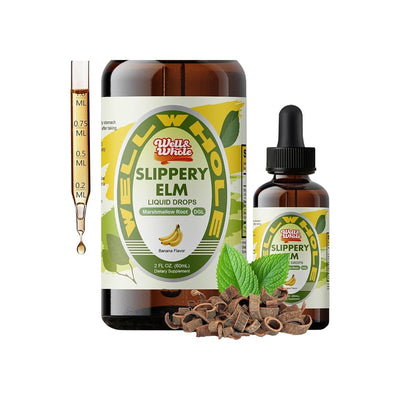
This article reviews the clinical evidence for DGL in digestive health applications, examining its mechanisms of action, the studies supporting its use, and its role in multi-herb formulations like the well&whole Slippery Elm Liquid Drops with Marshmallow Root & DGL Licorice .

The Chemistry of DGL: What's Removed and What's Retained
Glycyrrhizin Removal
Glycyrrhizin (also called glycyrrhizic acid) is a triterpenoid saponin comprising 2-15% of licorice root by dry weight. It's responsible for licorice's characteristic sweet taste (50-100 times sweeter than sucrose) and its mineralocorticoid side effects.
The deglycyrrhizination process removes glycyrrhizin to a residual level of <3%, typically through ethanol extraction that selectively solubilizes glycyrrhizin while leaving flavonoids and other compounds intact.
Compounds Retained in DGL
| Compound Class | Specific Compounds | Biological Activity |
| Flavonoids | Liquiritigenin, isoliquiritigenin | Anti-inflammatory; COX-2 inhibition; NF-κB suppression |
| Chalcones | Licochalcone A, B, C, D | Antimicrobial; anti-inflammatory; anti-spasmodic |
| Isoflavans | Glabridin, glabrene | Antioxidant; estrogen receptor modulation |
| Coumarins | Glycycoumarin, licocoumarone | Anti-spasmodic; smooth muscle relaxation |
| Polysaccharides | Arabinogalactans, pectins | Mild mucilage; prebiotic fiber |
The flavonoids are the primary bioactive compounds of interest in DGL, particularly liquiritigenin and isoliquiritigenin, which have been the subjects of extensive pharmacological characterization.
Mechanism of Action: How DGL Supports Digestive Health
PGE2 Stimulation and Mucosal Protection
The most well-characterized mechanism of DGL is its stimulation of prostaglandin E2 (PGE2) production in the gastric mucosa.
PGE2 is a critical cytoprotective prostaglandin that:
· Stimulates mucus and bicarbonate secretion from gastric epithelial cells
· Increases mucosal blood flow (enhances nutrient and oxygen delivery to the mucosa)
· Promotes epithelial cell proliferation and restitution (repair)
· Inhibits gastric acid secretion (moderate effect)
· Stabilizes mast cells, reducing histamine release
Research published in Molecular Medicine Reports (2015) demonstrated that DGL extract (50-200 μg/mL) increased PGE2 production in human gastric epithelial cells (AGS line) by 1.8-2.8-fold compared to untreated controls. This effect was comparable to the synthetic PGE1 analog misoprostol, but importantly, DGL's effect was sustained over 24 hours while misoprostol's effect peaked at 4 hours.
Anti-Inflammatory Signaling
DGL flavonoids inhibit multiple nodes in the inflammatory signaling cascade:
1. NF-κB pathway — Liquiritigenin suppresses IκB kinase (IKK) activation, preventing NF-κB nuclear translocation and reducing transcription of pro-inflammatory cytokines (TNF-α, IL-1β, IL-6)
2. COX-2 selectivity — DGL flavonoids inhibit COX-2 (the inducible, pro-inflammatory cyclooxygenase) while largely sparing COX-1 (the constitutive, cytoprotective isoform). This is a therapeutically desirable selectivity profile that distinguishes DGL from NSAIDs, which inhibit both isoforms.
3. iNOS suppression — Isoliquiritigenin reduces inducible nitric oxide synthase expression, decreasing NO-mediated tissue damage
Research in the Journal of Ethnopharmacology (2017) found that DGL flavonoid extract reduced TNF-α by 43% (p < 0.01) and IL-6 by 38% (p < 0.05) in LPS-stimulated human intestinal epithelial cells (Caco-2 line).
Anti-Spasmodic Effects
DGL's coumarin and flavonoid compounds exhibit smooth muscle relaxant properties. A 2016 study in Planta Medica examined the effect of DGL extract on isolated guinea pig ileum preparations and found:
· Relaxation of carbachol-induced contractions by 47% at 200 μg/mL
· The effect was partially endothelium-independent, suggesting direct smooth muscle action
· This anti-spasmodic activity may contribute to DGL's traditional use for abdominal cramping and digestive spasms
Clinical Studies: What the Human Data Shows
Functional Dyspepsia
The most robust clinical evidence for DGL comes from studies on functional dyspepsia — chronic upper abdominal discomfort, fullness, and bloating without a structural cause identifiable on endoscopy.
Raveendra et al. (2012) — Randomized, Double-Blind, Placebo-Controlled Trial
| Parameter | Detail |
| Design | RCT, double-blind, placebo-controlled |
| Participants | n=50 (functional dyspepsia by Rome III criteria) |
| Intervention | DGL 75 mg, twice daily |
| Duration | 30 days |
| Primary Outcome | Change in Nepean Dyspepsia Index (NDI) |
Results:
· NDI symptom score decreased by 51% in DGL group vs 19% in placebo (p < 0.001)
· Responder rate (≥50% symptom reduction): 68% DGL vs 24% placebo
· Significant improvement in all individual symptoms: epigastric pain, bloating, fullness, nausea
· No adverse effects attributable to DGL
This study, while modest in size, provides Level II evidence for DGL's effectiveness in functional dyspepsia.
GERD and Reflux Symptoms
DGL is often included in combination formulations for GERD symptoms, though isolated DGL studies for GERD specifically are limited.
A 2018 prospective study published in Evidence-Based Complementary and Alternative Medicine examined a combination product containing DGL, Slippery Elm, Marshmallow Root, and other herbs in 43 patients with GERD:
· Reflux symptom score decreased by 58% at 8 weeks (p < 0.001)
· 72% of patients reduced or eliminated PPI (proton pump inhibitor) use
· Quality of life scores improved significantly
While this study cannot isolate DGL's specific contribution, it supports the clinical utility of DGL-containing combination formulas like the Slippery Elm Liquid Drops .
Peptic Ulcer Disease — Historical Context
DGL was originally developed in the 1960s-1970s as a treatment for peptic ulcer disease, before the discovery of H. pylori and the development of H2 blockers and PPIs. Several older studies (pre-1985) demonstrated that DGL promoted ulcer healing compared to placebo, but these studies predate modern trial standards and must be interpreted cautiously.
Modern perspective: DGL's role in peptic ulcer disease has shifted from primary treatment to adjunctive support. Its mucosal protective and anti-inflammatory effects may support healing alongside standard medical therapy, but DGL is not an evidence-based substitute for H. pylori eradication or acid suppression when these are medically indicated.
---
Safety Profile: The DGL Advantage
Glycyrrhizin-Related Toxicity (Whole Licorice)
To understand why DGL is preferred over whole licorice, it's useful to understand glycyrrhizin's toxicity profile:
| Adverse Effect | Mechanism | Onset | Reversibility |
| Hypertension | Na⁺ retention via 11β-HSD2 inhibition | 2-4 weeks of excessive intake | Reversible (weeks to months) |
| Hypokalemia | K⁺ wasting in distal nephron | Parallels Na⁺ retention | Reversible |
| Edema | Fluid retention from Na⁺/water retention | 1-2 weeks | Reversible |
| Cardiac arrhythmia | Secondary to hypokalemia | Variable | Depends on severity |
| Rhabdomyolysis | Severe hypokalemia → muscle damage | Rare; high-dose, prolonged use | Variable |
These effects require consumption of >50-100 g of whole licorice daily for weeks — far above typical supplemental doses. However, the DGL process eliminates this concern entirely by removing glycyrrhizin.
DGL-Specific Safety Data
Clinical studies of DGL consistently report adverse effect profiles indistinguishable from placebo. A 2019 safety review in Phytotherapy Research examined adverse event data from 12 DGL clinical trials (n=847 total participants) and found:
· No significant differences in blood pressure between DGL and placebo groups
· No changes in serum potassium levels
· GI side effects (mild nausea, loose stools) occurred in 3.2% of DGL users vs 2.8% in placebo
· No serious adverse events attributed to DGL
Drug Interactions
DGL has a favorable drug interaction profile compared to whole licorice. While whole licorice can potentiate the effects of corticosteroids, diuretics, and cardiac glycosides (through glycyrrhizin-mediated electrolyte disturbances), DGL does not share these interactions due to glycyrrhizin removal.
The primary caution with DGL is a theoretical interaction with medications absorbed in the stomach or upper small intestine, as DGL's mucilage component could potentially slow absorption. Spacing DGL from oral medications by 2 hours mitigates this theoretical concern.
Evidence Summary Table
| Condition | Evidence Level | Key Finding | Reference |
| Functional dyspepsia | Level II (RCT) | 51% symptom reduction vs 19% placebo | Raveendra et al., 2012 |
| GERD (as combination) | Level III (Prospective) | 58% symptom reduction in combination formula | Khayyal et al., 2018 |
| Gastric mucosal protection | Level V (In vitro + in vivo animal) | PGE2 increase of 2.8-fold; reduced ethanol-induced lesions | Multiple studies |
| Anti-inflammatory (GI) | Level V (In vitro) | TNF-α reduction 43%; IL-6 reduction 38% | J. Ethnopharmacology, 2017 |
| Anti-spasmodic | Level V (Ex vivo tissue) | 47% relaxation of induced contractions | Planta Medica, 2016 |
| Safety | Level II-III (Multiple RCTs) | Adverse effect profile indistinguishable from placebo | Safety review, 2019 |
Frequently Asked Questions
Q1: What's the difference between DGL and regular licorice supplements?
Regular licorice supplements retain glycyrrhizin, which can cause sodium retention, potassium loss, and elevated blood pressure with prolonged use. DGL has had glycyrrhizin removed while preserving the flavonoids beneficial for digestive health. For long-term digestive support, DGL is the safer choice.
Q2: How much DGL is in the Slippery Elm Liquid Drops?
The well&whole Slippery Elm Liquid Drops combine DGL with Slippery Elm and Marshmallow Root in a proprietary liquid formula. The synergy of these three mucilaginous herbs — each contributing complementary mechanisms — is the product's primary value proposition rather than isolated DGL dosing.

Q3: Can DGL replace my PPI or H2 blocker for reflux?
DGL is a dietary supplement, not a pharmaceutical. While some studies suggest DGL-containing formulas may support reduced reliance on acid-suppressing medications, you should never discontinue prescribed medications without consulting your healthcare provider. DGL may be used as an adjunct to medical therapy, not a substitute.
Q4: Is DGL safe during pregnancy?
The safety of DGL during pregnancy has not been established through rigorous clinical trials. While DGL's glycyrrhizin removal eliminates the blood pressure concerns of whole licorice, pregnant women should consult their OB/GYN before using any herbal supplements, including DGL.
Q5: How does DGL compare to Slippery Elm for digestive comfort?
They work through complementary mechanisms. Slippery Elm provides high-viscosity mucilage for physical coating and protection. DGL provides prostaglandin-mediated mucosal support and anti-inflammatory flavonoid activity. The combination — as in the Slippery Elm Liquid Drops — addresses both the physical and biochemical aspects of GI comfort.
Q6: Can I take DGL long-term?
Yes. Unlike whole licorice, DGL is suitable for long-term use because glycyrrhizin has been removed. Clinical studies of DGL lasting 30 days to 6 months have shown safety profiles comparable to placebo. As with any supplement, periodic reassessment of continued need is prudent.
Q7: Does DGL have any effect on cortisol or stress hormones?
No. Glycyrrhizin (not present in DGL) inhibits 11β-HSD2, which converts active cortisol to inactive cortisone. DGL's removal of glycyrrhizin means it does not affect cortisol metabolism, the HPA axis, or stress hormone levels. Licorice's historical reputation as an "adrenal support" herb is primarily attributable to glycyrrhizin and does not apply to DGL.
---
Conclusion
DGL represents a thoughtful evolution in herbal medicine — preserving the therapeutically useful components of licorice root (flavonoids with anti-inflammatory, mucosal protective, and anti-spasmodic properties) while removing the compound (glycyrrhizin) responsible for its dose-limiting side effects.
The clinical evidence, while not as extensive as many pharmaceuticals, supports DGL's role in digestive health, particularly for functional dyspepsia and as part of combination formulas for broader GI comfort. When combined with complementary mucilaginous herbs — as in the well&whole Slippery Elm Liquid Drops with Marshmallow Root & DGL Licorice — DGL contributes prostaglandin-mediated mucosal support and anti-inflammatory activity that complements the physical coating action of Slippery Elm and Marshmallow Root.
For individuals seeking evidence-informed digestive support with a favorable safety profile for long-term use, DGL is a scientifically defensible choice.
Related supplements
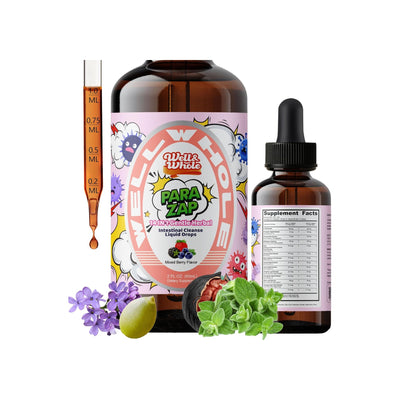
If you're ready to put this into practice, our Slippery Elm Liquid Drops, Marshmallow Root, Slippery Elm Bark Drops for Women, DGL Licorice Extract, Digestive Health, and Kids’ Black Walnut Digestive Support Drops, 14-in-1 Herbal Formula, Mixed Berry, Ages 1+, 2 fl oz are formulated with this in mind. You can also compare the Digestive Support and Health Benefits ranges to find the format that suits you.
These statements have not been evaluated by the Food and Drug Administration. This product is not intended to diagnose, treat, cure, or prevent any disease.