DGL Licorice for Acid Reflux: How It Works
Discover how DGL (deglycyrrhizinated) licorice supports digestive comfort and gut lining health. Learn about this safer licorice form for occasional acid reflux relief.

Licorice root (*Glycyrrhiza glabra*) has been used in traditional medicine systems for thousands of years—from ancient Egyptian remedies to Traditional Chinese Medicine. But there's a problem: whole licorice root contains a compound called glycyrrhizin, which can cause serious side effects when taken in large amounts or for extended periods.
Enter DGL—deglycyrrhizinated licorice. By removing the problematic glycyrrhizin while preserving the beneficial compounds, DGL offers a safer way to harness licorice's digestive benefits. In this article, we'll explore how DGL works, what the research says about its use for occasional acid reflux and gut health, and how to use it safely and effectively.
What Is DGL Licorice?
The Licorice Plant
Licorice root comes from *Glycyrrhiza glabra*, a perennial legume native to Southern Europe, India, and parts of Asia. The root contains hundreds of bioactive compounds, including:
- **Glycyrrhizin** (also called glycyrrhizic acid): 50-100 times sweeter than sugar; responsible for most of licorice's side effects
- **Flavonoids**: Antioxidant and anti-inflammatory compounds
- **Triterpenes**: Including glycyrrhetinic acid (the metabolite of glycyrrhizin)
- **Polysaccharides**: Contributing to demulcent effects
What Does "Deglycyrrhizinated" Mean?
DGL is licorice root that has undergone processing to remove most of the glycyrrhizin—typically reduced to less than 1-2% of the original content. This process preserves the other beneficial compounds while eliminating the primary cause of licorice's safety concerns.
Why Use DGL Instead of Regular Licorice?
| Concern | Regular Licorice | DGL Licorice |
|---------|-----------------|--------------|
| **Blood Pressure** | May increase (due to glycyrrhizin) | Generally does not affect |
| **Potassium Levels** | May cause depletion | Generally does not affect |
| **Duration of Use** | Limited to short-term | Can be used longer |
| **Safe for Hypertension** | No | Generally yes (consult doctor) |
| **Digestive Benefits** | Present | Present (preserved in DGL) |
How DGL Licorice Works for Digestive Health
1. Supporting the Body's Natural Mucus Production
One of DGL's primary mechanisms is supporting the body's natural production of protective mucus in the stomach and intestines. This mucus acts as a barrier, helping to protect the gut lining from stomach acid and other irritants.
Unlike antacids, which reduce acid production, DGL works *with* your body's natural processes to support the integrity of the gut lining.
2. Enhancing the Protective Mucosal Barrier
Research suggests that DGL may enhance the production of compounds called prostaglandins, which play a role in maintaining the mucosal barrier. A healthy mucosal barrier is essential for:
- Protecting the stomach lining from self-digestion
- Supporting the integrity of the gut lining
- Maintaining normal inflammatory responses in the gut
3. Supporting Healthy Inflammatory Response
Several compounds in licorice root, including certain flavonoids, have been studied for their role in supporting a healthy inflammatory response in the digestive tract. While DGL is not intended to treat inflammatory conditions, it may support the body's natural inflammatory balance.
4. Demulcent Action
Like slippery elm and marshmallow root, licorice root contains mucilage and polysaccharides that provide demulcent (soothing) effects on mucous membranes. While DGL is processed, it retains some of these soothing properties.
DGL for Occasional Acid Reflux: What the Research Says
Clinical Studies
#### 2012 Review: *Evidence-Based Complementary and Alternative Medicine*
This review examined multiple studies on licorice and DGL for digestive health. The authors concluded that DGL shows promise for supporting digestive comfort, though more rigorous clinical trials are needed.
#### 2017 Study: *Herbal Medicine: Open Access*
Researchers investigated a DGL-containing formulation for occasional acid reflux and related discomfort. Participants reported improvements in comfort levels. While the study used a multi-herb formula, DGL was a primary component.
#### Traditional Use and Clinical Experience
Gastroenterologists and naturopathic physicians have used DGL clinically for decades. Many report that patients find relief from occasional acid reflux symptoms when using DGL, particularly when combined with lifestyle modifications.
How to Use DGL for Occasional Acid Reflux
**Typical Protocol**:
- **Form**: Chewable tablets (chewing is important—it mixes with saliva and coats the esophagus)
- **Dosage**: 380-400 mg, 2-3 times daily
- **Timing**: 20-30 minutes before meals and at bedtime
- **Duration**: Can be used as needed for occasional discomfort
**Why Chewable?** DGL is most effective when thoroughly mixed with saliva. Chewing the tablets (rather than swallowing them whole) allows the DGL to coat the esophagus and stomach more effectively.
DGL and Gut Lining Health
Supporting the Gastric Mucosal Barrier
The stomach's mucosal barrier is a remarkable structure that protects the stomach lining from the acidic environment necessary for digestion. DGL is believed to support this barrier through several mechanisms:
1. **Supporting mucus production**: As noted above, DGL may enhance the body's natural mucus secretion
2. **Supporting blood flow to the stomach lining**: Some research suggests certain licorice compounds support healthy blood flow to the gastric mucosa
3. **Supporting the integrity of tight junctions**: The proteins that hold gut lining cells together
DGL as Part of a Gut Health Protocol
Many practitioners recommend DGL as part of a comprehensive approach to supporting gut health, often in combination with:
- **Slippery elm**: For immediate mucilage coating
- **Marshmallow root**: For additional demulcent support
- **Probiotics**: For long-term microbiome health
- **L-glutamine**: For targeted gut lining support
DGL vs. Other Digestive Supplements
| Supplement | Primary Mechanism | Best For | Safety Profile |
|------------|-------------------|----------|---------------|
| **DGL Licorice** | Supports mucus production | Occasional acid reflux, gut lining support | Very safe (no glycyrrhizin) |
| **Slippery Elm** | Mucilage coating (demulcent) | Immediate soothing, occasional heartburn | Very safe |
| **Marshmallow Root** | Mucilage coating | Gentle soothing, cold infusion preferred | Very safe |
| **Antacids (Tums, Rolaids)** | Neutralize stomach acid | Immediate occasional heartburn | Safe for occasional use |
| **H2 Blockers (Famotidine)** | Reduce acid production | Frequent heartburn | OTC; consult doctor for prolonged use |
| **PPIs (Omeprazole)** | Strongly reduce acid production | Chronic acid reflux (prescription) | prescription; long-term risks |
Dosage and Forms
Chewable Tablets
The most common and effective form for acid reflux. Must be chewed thoroughly.
**Typical Dosage**: 380-400 mg, 2-3 times daily (20-30 minutes before meals)
Powders
Can be mixed with water to create a soothing drink. Less common than chewable tablets but useful for those who prefer not to chew supplements.
Liquid Extracts
Available as glycerin-based extracts. Convenient but may be less effective for esophageal coating than chewable tablets.
Combination Formulas
DGL is frequently combined with:
- **Slippery elm**: For combined demulcent and mucus-supporting action
- **Marshmallow root**: For additional soothing
- **Chamomile**: For gentle digestive support
- **Ginger**: For occasional nausea support
Safety and Side Effects
DGL Is Generally Well-Tolerated
Because the glycyrrhizin has been removed, DGL has a significantly improved safety profile compared to regular licorice. However, some considerations remain:
#### Rare Side Effects
- Mild digestive upset (rare)
- Headache (very rare)
- Electrolyte changes (extremely rare with DGL; more common with regular licorice)
#### Drug Interactions
While DGL has fewer interactions than regular licorice, it's still wise to consult your healthcare provider if you take:
- Blood pressure medications
- Diuretic medications
- Blood thinners (warfarin and similar)
- Diabetes medications
#### Pregnancy and Breastfeeding
DGL is generally considered safer than regular licorice during pregnancy, but pregnant women should still consult their healthcare provider before use.
Frequently Asked Questions
1. What does DGL stand for?
DGL stands for "deglycyrrhizinated licorice"—licorice root that has had the glycyrrhizin compound removed.
2. Is DGL safe for people with high blood pressure?
Unlike regular licorice, DGL does not typically affect blood pressure because the glycyrrhizin has been removed. However, individuals with hypertension should consult their doctor before use.
3. How long does it take for DGL to work?
Some people notice relief within a few days, while for others it may take 2-4 weeks of consistent use. DGL works best when taken regularly rather than as an occasional rescue remedy.
4. Can I take DGL with my medications?
DGL has fewer interaction concerns than regular licorice, but you should still consult your healthcare provider, especially if you take medications for blood pressure, heart conditions, or blood thinning.
5. Why do I need to chew DGL tablets?
Chewing thoroughly mixes the DGL with your saliva, which enhances its coating action on the esophagus and stomach lining. Swallowing tablets whole is less effective.
6. Can children take DGL?
DGL is generally considered gentle, but parents should consult a pediatrician for appropriate dosing and approval before giving any supplement to children.
7. Is DGL gluten-free?
Many DGL products are gluten-free, but always check the label. Some tablet binders may contain gluten.
8. Can DGL help with occasional stomach discomfort not related to acid reflux?
Yes, DGL is sometimes used to support comfort for various types of occasional stomach discomfort, thanks to its mucus-supporting and demulcent properties.
9. How is DGL different from mastic gum?
Mastic gum (from the mastic tree) is another supplement used for digestive health. While DGL supports mucus production, mastic gum is sometimes used for different digestive concerns. They work through different mechanisms.
10. Where can I find a high-quality DGL supplement?
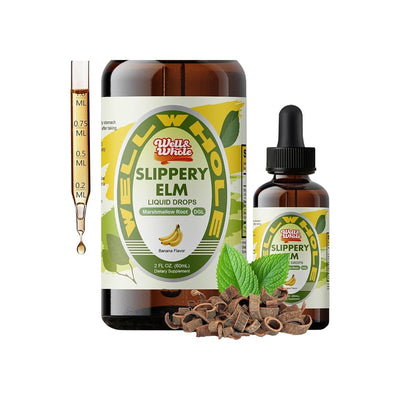
Look for reputable brands that use third-party testing. well&whole Slippery Elm Liquid Drops combine DGL with slippery elm and marshmallow root for comprehensive digestive support in a convenient liquid form.

Conclusion
DGL licorice represents a smart evolution of an ancient herbal remedy—retaining the digestive benefits of licorice root while removing the primary cause of its safety concerns. For those seeking support for occasional acid reflux or looking to support gut lining health, DGL offers a gentle, well-tolerated option with decades of clinical use behind it.
While DGL is not a replacement for medical care in cases of persistent or severe digestive symptoms, it can be a valuable part of a comprehensive approach to digestive wellness. When combined with other soothing herbs like slippery elm and marshmallow root, its benefits are further enhanced.
For a convenient way to incorporate DGL into your routine, consider well&whole Slippery Elm Liquid Drops. This thoughtfully formulated liquid supplement combines DGL licorice with slippery elm and marshmallow root—creating a trio of digestive support that addresses comfort from multiple angles.
As with any supplement, consult with a healthcare provider to determine if DGL is appropriate for your individual needs, especially if you have underlying health conditions or take medications.
Related supplements
Where to begin? Our Slippery Elm Liquid Drops, Marshmallow Root, Slippery Elm Bark Drops for Women, DGL Licorice Extract, Digestive Health, and Kids’ Black Walnut Digestive Support Drops, 14-in-1 Herbal Formula, Mixed Berry, Ages 1+, 2 fl oz are a sensible place to start, and the Digestive Support collection lays out the other formats side by side with Health Benefits.
These statements have not been evaluated by the Food and Drug Administration. This product is not intended to diagnose, treat, cure, or prevent any disease.