DAO Enzyme and Histamine Intolerance: What You Need to Know
Learn about DAO enzyme, histamine intolerance, and how they're connected. Discover symptoms, causes, testing, and how beef kidney supplements may support histamine balance.

If you've ever experienced unexplained headaches, digestive issues, skin flushing, or nasal congestion after meals—and your doctor couldn't find a clear cause—you may be dealing with histamine intolerance. This condition, estimated to affect a significant portion of the population, occurs when the body's ability to break down histamine can't keep up with histamine accumulation.
At the center of this delicate balance is an enzyme called diamine oxidase (DAO), the body's primary histamine-degrading enzyme. When DAO function is compromised, histamine can build up throughout the body, potentially contributing to a wide range of uncomfortable symptoms.
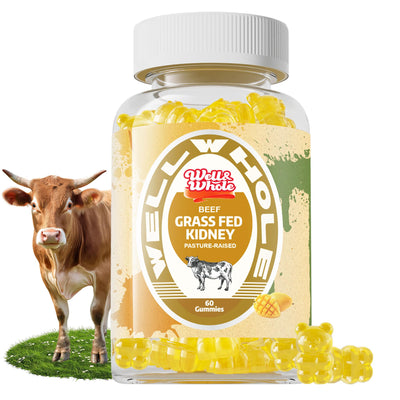
In this comprehensive guide, we'll explore the science of DAO enzyme and histamine intolerance, including causes, symptoms, testing options, and how natural approaches—including beef kidney supplements like well&whole's Grass Fed Beef Kidney Gummies —may help support healthy histamine metabolism.

Understanding Histamine: More Than Just Allergies
When most people hear "histamine," they think of antihistamines and seasonal allergies. But histamine is much more than an allergy chemical—it's a biogenic amine that serves essential functions throughout the body.
Normal Functions of Histamine
Histamine is produced by mast cells, basophils, and certain neurons in the brain. It plays crucial roles in:
- **Immune response**: Histamine dilates blood vessels during immune activation, allowing immune cells to reach affected tissues
- **Stomach acid production**: Histamine stimulates gastric acid secretion
- **Neurotransmission**: Histamine acts as a neurotransmitter regulating wakefulness, appetite, and cognition
- **Wound healing**: Histamine participates in tissue repair and regeneration
- **Circadian rhythm**: Histamine helps regulate the sleep-wake cycle
The problem isn't histamine itself—it's excessive histamine accumulation when the body's breakdown systems can't keep pace.
Histamine Sources: Where It All Comes From
Histamine enters your system through two main routes:
**Endogenous production**: Your body produces histamine and stores it in mast cells and basophils. Mast cells release histamine in response to triggers including allergens, stress, temperature changes, and certain medications.
**Dietary intake**: Many foods naturally contain histamine or can trigger histamine release. The accumulation of dietary histamine is strongly influenced by DAO activity in the gut.
The histamine content of foods varies dramatically. Understanding which foods are high in histamine is a key part of managing histamine intolerance.
Diamine Oxidase (DAO): The Histamine "Drain"
What DAO Does
Diamine oxidase is the body's primary extracellular histamine-degrading enzyme. It's produced by enterocytes (cells lining the small intestine) and is also found in the kidneys, placenta, and other tissues.
DAO functions by breaking down histamine through a process called oxidative deamination, converting histamine into imidazole acetaldehyde and ammonia—compounds that can be safely eliminated.
DAO in the Gut: First Line of Defense
The intestinal DAO system acts as a barrier against dietary histamine. When you eat histamine-containing foods, DAO in the small intestine's mucosal lining degrades the histamine before it can cross into the bloodstream.
Think of intestinal DAO as a bouncer at a club:
- With enough DAO, most dietary histamine is stopped at the door
- Without enough DAO, histamine gets through to the party (your bloodstream)
- The result: too many uninvited histamine molecules circulating throughout your body
A 2017 study in the *Journal of Physiology and Biochemistry* demonstrated that intestinal DAO activity correlates inversely with post-meal histamine concentrations in blood, confirming the enzyme's gatekeeper role (Comas-Basté et al., 2017).
Factors That Reduce DAO Activity
Several factors can impair DAO function:
#### 1. Genetic Factors
The AOC1 gene codes for diamine oxidase production. Certain genetic variants (SNPs) are associated with reduced DAO activity. Research published in *Clinical and Translational Allergy* (2018) found that individuals with specific AOC1 variants had significantly lower serum DAO activity and higher rates of histamine intolerance symptoms (Maintz et al., 2018).
#### 2. Medications
Several commonly used medications can inhibit DAO:
- Some NSAIDs (ibuprofen, naproxen)
- Certain antidepressants (amitriptyline)
- Some antibiotics
- H2 receptor blockers for acid reflux
- Chloroquine and related drugs
#### 3. Gastrointestinal Conditions
Conditions that damage or inflame the intestinal lining can reduce DAO production:
- Inflammatory bowel disease (IBD)
- Small intestinal bacterial overgrowth (SIBO)
- Celiac disease
- Leaky gut syndrome
- Gastroenteritis
#### 4. Nutritional Deficiencies
DAO requires specific cofactors to function properly. Deficiencies can impair enzyme activity:
- **Copper**: Essential cofactor for DAO
- **Vitamin B6 (pyridoxal-5-phosphate)**: Required for DAO synthesis
- **Vitamin C**: Supports histamine degradation via alternative pathways
#### 5. Alcohol
Alcohol is a direct DAO inhibitor and can also trigger mast cell histamine release, creating a double histamine burden.
Histamine Intolerance: When the Bucket Overflows
The concept of histamine intolerance is often explained using the "histamine bucket" analogy:
- You have a histamine "bucket" with limited capacity
- Histamine enters the bucket from food, environment, stress, and your body's own production
- Your DAO enzyme is the drain at the bottom
- Factors that reduce DAO narrow the drain
- Factors that increase histamine open multiple taps into the bucket
- When the bucket overflows, symptoms appear
A 2011 review in *Allergy* described histamine intolerance as "a disorder arising from reduced histamine degradation capacity" and estimated that approximately 1% of the population is affected, with a higher prevalence in middle-aged women (Maintz & Novak, 2011).
Symptoms of Histamine Intolerance
Because histamine receptors exist throughout the body, symptoms can be remarkably diverse and often mimic other conditions—one reason histamine intolerance is frequently missed in clinical settings.
Common Symptom Categories
| **System** | **Possible Symptoms** |
|-----------|----------------------|
| Digestive | Bloating, abdominal pain, diarrhea, constipation, nausea |
| Skin | Flushing, hives, itching, eczema flares |
| Respiratory | Nasal congestion, sneezing, difficulty breathing |
| Cardiovascular | Rapid heart rate, blood pressure changes, dizziness |
| Neurological | Headaches, migraines, brain fog, fatigue, anxiety |
| Reproductive | Menstrual irregularities, menstrual pain |
A 2019 study in *Nutrients* found that gastrointestinal symptoms were the most commonly reported manifestation, followed by dermatological and neurological symptoms (Schnedl et al., 2019).
Why Diagnosis Is Challenging
Histamine intolerance is notoriously difficult to diagnose for several reasons:
- Symptoms overlap with many other conditions (IBS, allergies, migraine disorders)
- No single definitive diagnostic test exists
- Histamine levels fluctuate throughout the day
- The trigger threshold varies from person to person
- Many healthcare providers aren't familiar with the condition
Testing for Histamine Intolerance
While no single test is definitive, several approaches can help build a clinical picture:
DAO Enzyme Activity Testing
Blood tests can measure serum DAO activity. Lower DAO activity may indicate reduced histamine breakdown capacity. However, results can be variable and should be interpreted alongside clinical symptoms.
Histamine Levels
Blood tests for histamine exist but have limitations due to histamine's short half-life and the risk of artificial release from basophils during blood draw.
Food Challenge/Elimination
The most practical diagnostic approach involves:
1. Following a low-histamine diet for 2-4 weeks
2. Monitoring symptom changes
3. Reintroducing histamine-containing foods systematically
4. Identifying specific triggers and thresholds
Genetic Testing
AOC1 gene analysis can identify variants associated with reduced DAO activity, though genetic predisposition doesn't necessarily mean clinical symptoms will manifest.
Approaches to Supporting Histamine Balance
Managing histamine intolerance typically involves a multi-pronged approach:
1. Dietary Management
The low-histamine diet is the cornerstone of histamine intolerance management. Key principles include:
- Avoiding aged, fermented, and cured foods (aged cheese, wine, cured meats, sauerkraut, yogurt)
- Eating fresh foods and freezing leftovers immediately
- Avoiding histamine-liberating foods (citrus, tomatoes, spinach, chocolate)
- Identifying individual tolerance thresholds
2. DAO Enzyme Support
Exogenous DAO from supplements—including beef kidney—may help support the gut's histamine-degrading capacity. The principle is straightforward: if your body isn't producing enough DAO, supplemental DAO may help bridge the gap.
well&whole's Grass Fed Beef Kidney Gummies ($19.99) provide bovine kidney tissue, which naturally contains DAO enzyme. By delivering kidney-sourced DAO alongside meals, these gummies may help support the intestinal histamine barrier.
3. Nutritional Cofactor Support
Ensuring adequate intake of DAO cofactors—particularly copper and vitamin B6—supports the body's own DAO production and function.
4. Gut Health Optimization
Since intestinal DAO is produced by enterocytes, maintaining a healthy gut lining is essential. Probiotics, gut-healing nutrients, and addressing underlying GI conditions all contribute.
5. Trigger Identification and Avoidance
Beyond food, identifying non-food triggers (stress, temperature changes, certain medications) can significantly reduce the overall histamine load.
FAQ
Q: What is histamine intolerance?
A: Histamine intolerance occurs when the body's ability to break down histamine (primarily via the DAO enzyme) can't keep pace with histamine accumulation from diet, internal production, and environmental factors. The resulting excess can cause diverse symptoms across multiple body systems.
Q: How do I know if I have histamine intolerance?
A: Common signs include digestive symptoms, headaches, skin flushing, nasal congestion, and fatigue after eating. The most practical assessment is a supervised low-histamine diet trial to see if symptoms improve, followed by controlled reintroduction of histamine-containing foods.
Q: What foods are highest in histamine?
A: Highest-histamine foods include aged cheeses, fermented foods (sauerkraut, kimchi, yogurt), cured meats, wine, beer, aged fish, and leftovers. Foods that can trigger histamine release include citrus, tomatoes, chocolate, and egg whites.
Q: Can beef kidney gummies really help with histamine intolerance?
A: Beef kidney contains DAO enzyme, which breaks down histamine in the digestive tract. By providing exogenous DAO from kidney tissue, beef kidney supplements like well&whole's Kidney Gummies may support the body's natural histamine degradation capacity, particularly when taken before meals.
Q: How long does it take to reduce histamine levels?
A: Dietary histamine clears relatively quickly (hours to days), while symptoms from chronic histamine overload may take weeks to fully resolve. Consistent use of histamine-supportive strategies, including DAO enzyme support, typically yields the best results over time.
Q: Can medications cause histamine intolerance?
A: Yes. Several medications can inhibit DAO activity, including some NSAIDs, antidepressants, antibiotics, and acid-reducing drugs. If you suspect medication-induced histamine issues, consult your healthcare provider—never discontinue prescribed medications without guidance.
Q: Is histamine intolerance the same as a food allergy?
A: No. Food allergies involve IgE-mediated immune responses to specific proteins. Histamine intolerance is a metabolic issue—your body can't break down histamine efficiently enough. The symptoms may overlap but the underlying mechanism is different.
Q: Are there tests for histamine intolerance?
A: Options include serum DAO activity testing, genetic AOC1 testing, and blood histamine levels. However, no single test is definitive. The most practical diagnostic tool is typically a supervised elimination-challenge diet protocol.
Q: Why do some people develop histamine intolerance suddenly?
A: Triggers can include gastrointestinal infections, changes in gut health, new medications, increased stress, hormone changes (pregnancy, menopause), or a tipping point where histamine accumulation finally exceeds the body's long-standing but borderline coping capacity.
Q: Can children have histamine intolerance?
A: Yes, though it's less commonly diagnosed in children. Symptoms may be misattributed to allergies or behavioral issues. Pediatric assessment should involve a qualified healthcare provider with experience in histamine-mediated conditions.
Conclusion
Histamine intolerance is a real, underrecognized condition that can significantly impact quality of life. At its core is the DAO enzyme—the body's primary histamine breakdown system—whose function can be compromised by genetics, medications, gut health, and nutritional status.
Understanding this mechanism opens the door to practical support strategies. Dietary management reduces histamine intake; gut health optimization supports endogenous DAO production; and exogenous DAO sources—including grass-fed beef kidney supplements—may help reinforce the body's histamine-degrading capacity.
well&whole's Grass Fed Beef Kidney Gummies provide a convenient, natural source of DAO enzyme from pasture-raised New Zealand beef kidney. If you're exploring natural approaches to histamine balance, learn more at wellwholeshop.com.
Related supplements
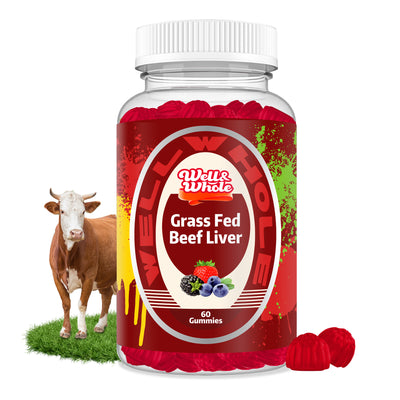
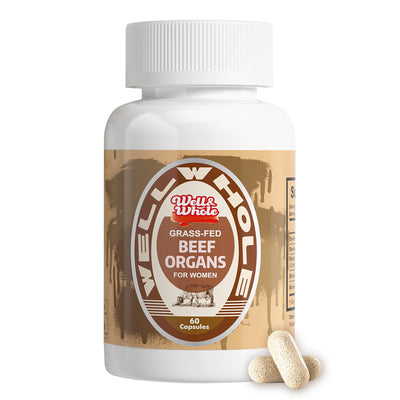
If you'd like to try it, Grass Fed Beef Liver Supplement Gummies with 60 Count for Full Wellness and Grassfed Beef Organ Supplement Capsules, Grass Fed & Pasture Raised, Total Body Wellness Support are the closest match to what we've covered here. Browse Vitamin A and Health Benefits to see how the alternatives compare.
These statements have not been evaluated by the Food and Drug Administration. This product is not intended to diagnose, treat, cure, or prevent any disease.