Cortisol: The Stress Hormone Explained — What It Is, Why It Matters, and How to Manage It
Cortisol is your body's primary stress hormone. Learn what cortisol does, the difference between acute and chronic stress, and evidence-based ways to manage your cortisol levels naturally.

Cortisol has acquired a reputation as public health enemy number one — "the stress hormone" responsible for weight gain, sleep disruption, anxiety, and accelerated aging. While chronic cortisol elevation is indeed problematic, the popular narrative oversimplifies a hormone that is essential for survival. Your body does not produce cortisol to harm you; it produces it to keep you alive during acute threats. The problem is not cortisol per se — it is that the modern stress environment has effectively hijacked a system designed for short-term survival and forced it into chronic activation.
Understanding cortisol — its normal rhythm, its essential functions, and what happens when its regulation breaks down — is the first step toward managing it effectively without falling for detox teas and "adrenal fatigue" protocols that lack physiological basis.
What Is Cortisol?
The Hormone of Alertness
Cortisol is a glucocorticoid hormone produced by the adrenal cortex (the outer layer of the adrenal glands, which sit atop your kidneys). Its synthesis and release are governed by the hypothalamic-pituitary-adrenal (HPA) axis:
1. **Hypothalamus** detects stress and releases corticotropin-releasing hormone (CRH)
2. **Pituitary gland** responds to CRH by secreting adrenocorticotropic hormone (ACTH)
3. **Adrenal cortex** releases cortisol in response to ACTH
4. **Cortisol** acts on tissues throughout the body and provides negative feedback to the hypothalamus and pituitary, shutting down further release
The Cortisol Rhythm
Cortisol is not released at a constant level — it follows a pronounced circadian rhythm:
· **Morning peak**: Cortisol rises sharply in the 30–45 minutes after waking — the "cortisol awakening response" (CAR) — reaching its highest point of the day. This morning surge promotes alertness, energy, and metabolic activation for the day ahead.
· **Gradual decline**: Cortisol levels decrease steadily throughout the day, reaching their nadir in the late evening.
· **Nighttime low**: Low cortisol at night permits melatonin production and sleep onset.
This rhythm is essential for health. A "flat" cortisol curve (low morning, inadequately suppressed evening) is associated with worse health outcomes than high absolute cortisol levels — reflecting the importance of rhythm over absolute concentration.
Essential Functions of Cortisol
Far from being merely a "bad" hormone, cortisol is essential:
Cortisol's anti-inflammatory effects are particularly noteworthy — synthetic cortisol analogues (prednisone, hydrocortisone) are among the most potent anti-inflammatory drugs in medicine. The issue is not cortisol's inflammatory effects but the dysregulation that occurs when cortisol is chronically and inappropriately elevated.
Acute vs. Chronic Stress: The Critical Distinction
Acute Stress: The Functional Response
When you encounter an acute stressor (a near-miss in traffic, a sudden deadline, an argument), the HPA axis activates rapidly. Cortisol surges, glucose is mobilized for energy, non-essential functions (digestion, reproduction, tissue repair) are suppressed, and attention narrows to the immediate threat.
This response is adaptive and self-limiting. Once the stressor passes, cortisol's negative feedback mechanism suppresses further HPA activation, and cortisol returns to baseline. The system worked exactly as designed.
Chronic Stress: The Dysfunctional Response
The problem arises when the stressor does not pass. Modern stressors — work pressure, financial anxiety, relationship conflict, health concerns — are not acute, time-limited threats. They are chronic, low-grade, and persistent. The HPA axis, designed for intermittent activation, becomes chronically activated.
The result:
· **Sustained hypercortisolemia**: Cortisol remains elevated beyond the acute response
· **Disrupted rhythm**: The morning cortisol surge is blunted while evening cortisol fails to suppress adequately (producing a "flat" cortisol curve)
· **Glucocorticoid receptor resistance**: Chronic cortisol exposure desensitizes glucocorticoid receptors, similar to how chronic insulin exposure causes insulin resistance
This sustained dysregulation drives the health consequences associated with chronic stress.
Symptoms of Cortisol Dysregulation
Many individuals experience a trajectory from chronic elevation (early stress) to eventual suppression (burnout), though this pattern is not universal. Cortisol dysregulation is more complex than a single "high" or "low" state — the rhythm and tissue-level responsiveness matter as much as absolute levels.
Evidence-Based Strategies to Manage Cortisol
1. Sleep Optimization
Sleep and cortisol have a bidirectional relationship. Poor sleep elevates cortisol, and elevated cortisol disrupts sleep.
The evidence: A 2018 study in *Sleep* found that just one night of sleep restriction (4 hours) increased evening cortisol by approximately 37% and delayed the normal nighttime cortisol decline. Chronic sleep deprivation (fewer than 6 hours nightly) is associated with a flattened cortisol rhythm.
What to do: Prioritize consistent sleep and wake times, 7–9 hours of sleep, and a wind-down routine in the hour before bed.
2. Exercise — The Right Kind, at the Right Time
Exercise temporarily elevates cortisol during and immediately after the session — this is normal and adaptive. The key variables are intensity and timing:
· **Moderate aerobic exercise** (brisk walking, cycling, swimming) consistently reduces baseline cortisol in longitudinal studies
· **Intense exercise** raises cortisol acutely but lowers resting cortisol over time in fit individuals — however, excessive volume or intensity without adequate recovery can sustain cortisol elevation
· **Timing**: High-intensity evening exercise can delay the nighttime cortisol decline, interfering with sleep
What to do: 150 minutes per week of moderate exercise, with intense sessions earlier in the day. Avoid overtraining — more is not better when it comes to cortisol management.
3. Mindfulness and Meditation
Mindfulness-based stress reduction (MBSR) has demonstrated effects on cortisol regulation:
· A 2013 meta-analysis in *Health Psychology Review* found that mindfulness interventions significantly reduced cortisol levels, particularly in populations under high stress.
· A 2017 study in *Psychoneuroendocrinology* found that long-term meditators had a steeper, healthier cortisol decline across the day compared to non-meditators.
What to do: 10–20 minutes daily of mindfulness practice. The consistency matters more than the duration.
4. Adaptogenic Herbs — Ashwagandha
Among cortisol-modulating supplements, ashwagandha has the strongest evidence:
A 2012 randomized controlled trial in the *Indian Journal of Psychological Medicine* found that 300 mg of ashwagandha root extract (KSM-66), taken twice daily for 60 days, reduced serum cortisol by 27.9% — compared to 7.9% in the placebo group. Multiple subsequent studies have replicated this cortisol-lowering effect.
Other supplements with some evidence for cortisol modulation include:
· **Rhodiola rosea**: Reduces stress-induced fatigue; cortisol effects less consistent than ashwagandha
· **Omega-3 fatty acids**: May blunt the cortisol response to acute mental stress
· **Magnesium**: Magnesium deficiency is associated with elevated cortisol; supplementation may improve cortisol regulation in deficient individuals
5. Dietary Factors
· **Caffeine**: Exaggerates the cortisol response to stressors and elevates baseline cortisol in high doses (400+ mg daily). Moderation (1–2 cups of coffee) is reasonable; excessive intake is counterproductive for cortisol management.
· **Blood sugar stability**: Hypoglycemia triggers cortisol release (cortisol is one of the counter-regulatory hormones that raise blood sugar). Avoiding prolonged fasting and high-glycemic meals that cause reactive hypoglycemia supports stable cortisol.
· **Alcohol**: Reduces sleep quality and increases next-day cortisol. Chronic consumption is associated with HPA axis dysregulation.
· **Hydration**: Even mild dehydration elevates cortisol. Adequate water intake supports normal HPA function.
FAQ
Q1: Can I test my cortisol levels at home?
Salivary cortisol testing (collecting samples at multiple points throughout the day) is available through direct-to-consumer lab services. This provides a diurnal cortisol curve (morning, noon, evening, night), which is more informative than a single blood cortisol measurement. However, interpretation should be done with a healthcare provider — cortisol testing is nuanced and a single abnormal result may not be clinically meaningful.
Q2: Is "adrenal fatigue" a real diagnosis?
"Adrenal fatigue" is not a recognized medical diagnosis. The Endocrine Society, the world's largest professional organization of endocrinologists, has explicitly stated that adrenal fatigue is not a valid medical condition. The underlying phenomenon — HPA axis dysregulation with altered cortisol patterns — is real, but framing it as "fatigued adrenal glands" misrepresents the pathophysiology. The adrenal glands do not "tire out"; the regulatory system becomes dysregulated.
Q3: Does cortisol cause belly fat?
Chronically elevated cortisol does promote visceral (abdominal) fat accumulation through several mechanisms: increased appetite (particularly for calorie-dense foods), preferential fat deposition in visceral adipose tissue (which has a higher density of cortisol receptors than subcutaneous fat), and increased insulin resistance. This is biologically plausible and supported by evidence. However, cortisol is rarely the sole driver of weight gain — diet, activity, sleep, and genetics all contribute.
Q4: Can cortisol affect my immune system?
Yes. Acute cortisol elevation is immunosuppressive (which is why synthetic glucocorticoids are used as anti-inflammatory drugs). Chronically elevated cortisol can increase infection susceptibility while paradoxically promoting chronic, low-grade inflammation — a phenomenon related to glucocorticoid receptor resistance, where immune cells become less responsive to cortisol's anti-inflammatory signals.
Q5: How does caffeine affect cortisol?
Caffeine increases cortisol secretion, particularly in individuals who are not habituated to it. Chronic, heavy caffeine consumption (400+ mg daily) may sustain cortisol elevation. Moderate intake (1–2 cups of coffee, 100–200 mg caffeine) has less impact. Consuming caffeine primarily in the morning (when cortisol is naturally high) rather than in the afternoon or evening minimizes disruption to the circadian cortisol rhythm.
Q6: Can ashwagandha lower cortisol too much?
At standard doses, ashwagandha tends to normalize cortisol — lowering it in those with elevated levels while minimally affecting normal cortisol production. Clinical cases of pathologically low cortisol from ashwagandha alone are not reported in the literature. However, if you are already taking medications that suppress cortisol, additive effects are theoretically possible.
Q7: How quickly can lifestyle changes lower cortisol?
Significant cortisol improvements can be seen within weeks. The ashwagandha trials showing 23–28% cortisol reduction measured outcomes at 8–12 weeks. Sleep improvements impact cortisol within days (the effect of a single night of adequate sleep on next-day cortisol is measurable). The timeline depends on the intervention and the baseline degree of dysregulation.
Q8: Do cortisol supplements actually work?
Some do — ashwagandha has the strongest evidence, with multiple independent trials showing cortisol reduction. "Cortisol blocker" products, however, are a different category — most contain ingredients with no demonstrated cortisol-lowering effects. The supplement industry in this space is rife with marketing-driven claims. Focus on the compounds with clinical trial evidence.
Conclusion
Cortisol is not your enemy — it is a vital hormone that supports energy, alertness, immune function, and stress adaptation. The goal is not to eliminate cortisol (which would be fatal) but to restore its healthy rhythm: a robust morning surge, a steady daytime decline, and a low nighttime level that permits restorative sleep.
The evidence-based approach to cortisol management begins with the fundamentals — sleep, exercise, and stress reduction — not with supplements or elaborate detox protocols. When additional support is needed, ashwagandha stands out as the most evidence-supported natural intervention, with consistent cortisol reduction across multiple independent clinical trials.
At well&whole, we approach stress management the same way we approach health in general: by supporting your body's innate regulatory systems rather than trying to override them. Our Stress Support Collection is built around the evidence — because your HPA axis deserves precision, not marketing hype.
Related supplements
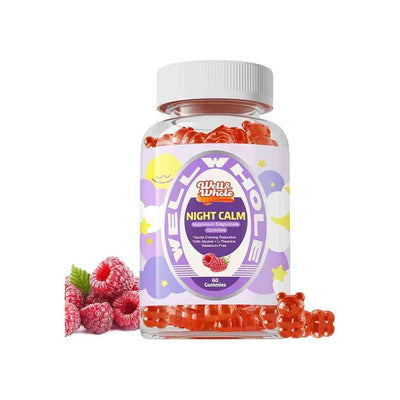
Should you decide to supplement, Magnesium Bisglycinate Gummies with Apigenin & B6, Melatonin Free, 60 Ct | Gentle on Stomach, Chelated with Glycine, Night Calm Routine and Sleep & Calm Support Bundle are our formulation for this purpose. For a broader comparison, see the Sleep Support and Magnesium collections.
These statements have not been evaluated by the Food and Drug Administration. This product is not intended to diagnose, treat, cure, or prevent any disease.