Copper: The Often-Overlooked Mineral for Collagen, Immunity, and Energy
Learn about copper's role in collagen formation, immune function, and energy production, plus signs of deficiency and safe supplementation.

Copper rarely gets the spotlight, but this trace mineral is essential for life. It's needed for collagen formation, iron metabolism, immune defense, and energy production. Yet copper deficiency is often missed because symptoms overlap with other nutrient deficiencies, particularly iron and B12.
Key Takeaways
- Vitamins and minerals are essential nutrients the body needs in small amounts for normal function.
- A supplement helps fill dietary gaps but works best with a varied diet.
- Follow labeled servings—more is not always better; consult a professional before high-dose use.
This article explains why copper matters, how to recognize deficiency, and how to maintain healthy copper levels.
What Is Copper?
Copper is a trace mineral found in all body tissues. It works as a cofactor for several enzymes involved in:
· Energy production
· Connective tissue formation
· Iron metabolism
· Neurotransmitter synthesis
· Immune function
· Antioxidant defense
The body tightly regulates copper levels through absorption and excretion.
Key Roles of Copper
Collagen and Connective Tissue
Copper is required for lysyl oxidase, an enzyme that cross-links collagen and elastin. This supports skin, blood vessels, bones, and joints.
Iron Metabolism
Copper helps the body absorb and use iron. Without adequate copper, iron can accumulate in tissues while remaining unavailable for red blood cell production.
Energy Production
Copper is part of cytochrome c oxidase, an enzyme essential for mitochondrial ATP production.
Immune Function
Copper supports white blood cell activity and antioxidant enzyme function.
Brain and Nerve Health
Copper is involved in neurotransmitter synthesis and myelin formation.
Signs of Copper Deficiency
Copper deficiency can cause:
· Fatigue and weakness
· Anemia that doesn't respond to iron
· Low white blood cell count
· Bone abnormalities
· Connective tissue problems
· Pale skin
· Neurological symptoms similar to B12 deficiency
Risk factors include gastric bypass surgery, celiac disease, excessive zinc supplementation, and Menkes disease (a rare genetic disorder).
Food Sources of Copper
The RDA for copper is 900 mcg per day for adults. The tolerable upper intake level is 10,000 mcg per day.
Copper and Zinc Balance
Zinc and copper compete for absorption. Long-term high-dose zinc supplementation can induce copper deficiency. If you take zinc regularly, especially above 40 mg per day, consider copper supplementation or zinc-copper balance.
Copper Supplementation
Most people get enough copper from food. Supplements may be appropriate for those with malabsorption, long-term high-dose zinc use, or confirmed deficiency.
Copper supplements typically provide 1-2 mg per day. Copper gluconate and copper bisglycinate are common forms.
FAQ
What does copper do in the body?
Copper supports collagen formation, iron metabolism, energy production, immune function, and nervous system health.
What are signs of copper deficiency?
Fatigue, anemia, low immunity, bone issues, and neurological symptoms.
Can zinc cause copper deficiency?
Yes. High-dose zinc supplements taken long-term can block copper absorption.
Do I need a copper supplement?
Most people don't. Supplementation is usually reserved for those with deficiency risk factors.
What's the best form of copper supplement?
Copper gluconate and copper bisglycinate are commonly used and well-absorbed.
How much copper should I take?
Most supplements provide 1-2 mg per day. Do not exceed the tolerable upper limit without medical supervision.
Is copper toxic?
Excessive copper can be toxic, particularly in people with Wilson disease, a genetic copper storage disorder.
Conclusion
Copper may not be as famous as iron or zinc, but it's indispensable for collagen, energy, immunity, and overall vitality. The best approach for most people is a varied diet rich in nuts, seeds, seafood, and organ meats.
well&whole offers balanced trace mineral supplements that provide copper alongside zinc in appropriate ratios. If you take high-dose zinc or have signs of copper deficiency, talk to your healthcare provider about testing and supplementation.
Related supplements
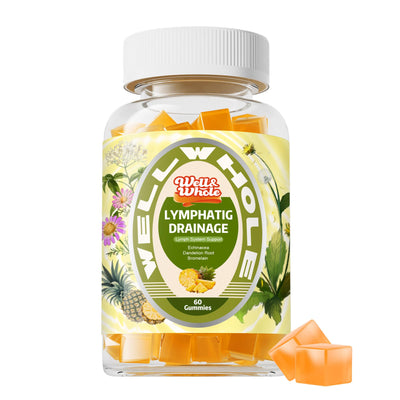
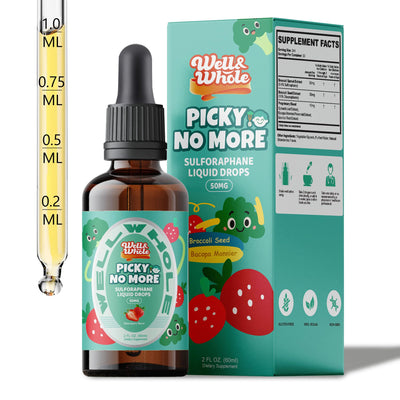
Should you decide to supplement, Lymphatic Drainage Supplements Gummies with Echinacea Dandelion Burdock for Adults with Immune and Energy Support and Sulforaphane Broccoli Supplement Liquid Drops for Kids with Sulforaphane, Glucoraphanin, Bacopa Monnieri are our formulation for this purpose. For a broader comparison, see the Immune Support and Health Benefits collections.
The role of vitamins and minerals
Micronutrients support normal immune function, energy metabolism, bone health, and countless enzymatic processes. Needs vary by age, diet, and life stage.
A supplement is meant to complement dietary intake from foods such as vegetables, lean proteins, and whole grains.
Who might be interested
Adults with restricted diets, higher needs, or low sun/dietary exposure to certain nutrients often consider targeted supplementation.
Life stages such as pregnancy or aging can shift requirements.
How to choose a quality vitamin or mineral
Look for the nutrient form (e.g., methylated B12, chelated minerals), clear amounts vs. daily value, and third-party testing.
Avoid mega-doses beyond labeled guidance unless advised by a professional.
How it may fit alongside a balanced diet
Think of supplements as a top-up, not a substitute. A varied, nutrient-dense diet remains the foundation.
How to fit vitamins and minerals into a daily routine
Consistency matters more than perfection. Most people do best by attaching a supplement to an existing habit—morning coffee, a post-workout shake, or an evening wind-down—so it becomes automatic rather than another task to remember.
Start with the labeled serving and give it a few weeks of regular use before judging how it fits. Keep a simple note of how your routine feels; that feedback helps you adjust timing or format.
What to look for when reading the label
A transparent label states the active amount per serving, the form of the ingredient, and any third-party testing or quality certifications. Avoid products that hide specifics behind proprietary blends.
Check serving size, other added ingredients, and storage instructions. If anything is unclear, a reputable brand's customer support should answer directly—and a healthcare professional can help you match a product to your needs.
This article is for general wellness education and is not intended to diagnose, treat, cure, or prevent any condition. Individual needs vary—always review product labels and consult a qualified healthcare professional before starting any new supplement.
These statements have not been evaluated by the Food and Drug Administration. This product is not intended to diagnose, treat, cure, or prevent any disease.