Copper and Zinc: Why the Ratio Matters More Than the Dose

Zinc and copper compete for the same absorption pathways, so the balance between them matters more than the amount of either mineral alone. Long-term, high-dose zinc supplementation can quietly deplete copper, and the resulting imbalance can work against the very immune function you were trying to support. Food-first habits and moderate doses sidestep most of the problem.
Key takeaways
- Zinc and copper share intestinal absorption routes, so a large surplus of one can crowd out the other.
- Copper deficiency from high-dose zinc is well documented, sometimes after months of doses well above daily needs.
- Food sources naturally come paired: shellfish, nuts, seeds, legumes and whole grains supply both minerals in workable ratios.
- Short-course zinc lozenges at the start of a cold season are a different situation from taking high-dose zinc every day for years.
Why zinc and copper compete
Both minerals use shared transport proteins in the small intestine, particularly one called DMT1 that carries several metals at once. When a large dose of zinc arrives, it stimulates the intestine to make more of a binding protein that traps zinc inside intestinal cells — and that same binder escorts copper out of the body. The result is a one-way valve: extra zinc in, less copper absorbed. The immune system depends on both minerals. Zinc supports immune cell development and signaling, while copper plays a structural role in enzymes that manage oxidative stress. Neither is dispensable.
What high-dose zinc can do over time
Case reports and clinical reviews describe copper deficiency appearing in people who took zinc doses far above daily requirements for months to years, sometimes for self-directed "immune insurance." Early signs can be surprisingly quiet — fatigue that does not match effort, or changes in balance and sensation — because copper sits at the center of several housekeeping enzymes, not just immunity. The pattern matters more than any single test: daily high-dose zinc with no copper intake is the risky combination, while periodic use at moderate doses rarely causes trouble in otherwise well-nourished people.
Food first: sources that come naturally paired
Oysters are the standouts for both minerals, followed by crab and other shellfish. Beef, pumpkin seeds, cashews, chickpeas, lentils and dark chocolate supply zinc, while nuts, seeds, shellfish, organ meats and whole grains contribute copper. A diet built around these foods lands in a reasonable ratio without arithmetic. Plant-forward eaters should note that legumes and whole grains contain phytates, which bind minerals modestly; soaking, sprouting or fermenting those foods improves availability and keeps the pairing intact.
Ratios and sensible ranges
Older literature suggested a roughly 8:1 to 12:1 zinc-to-copper ratio as typical for mixed diets, though researchers caution against managing to a single number. More practical anchors: adult zinc needs sit around 8 to 11 mg daily, copper around 0.9 mg, and the tolerable upper limit for long-term zinc intake is 40 mg. Standard multivitamins, which usually stay within those lines, behave very differently from stand-alone high-dose zinc capsules taken daily. When a higher zinc dose is used for a defined period, pairing it with dietary copper or cycling the dose is the standard cautious approach.
How to think about your own intake
Ask three questions. How much zinc do I take on an average day, from supplements and fortified foods combined? How long has that dose been running — weeks, seasons or years? And where does copper come from in my diet? If the answers are "a lot, for years, and I am not sure," that combination is the one worth revisiting with a clinician or dietitian, ideally alongside a baseline blood count. Balance, not brute dose, is what keeps both minerals working for you.

Timing and form shape the outcome
Two practical details tilt the zinc-copper balance further. Timing apart helps: taking a zinc supplement with breakfast and a copper-containing food or multivitamin later in the day gives the shared transporters less to juggle at once. Form matters less than dose, but chelated forms such as zinc bisglycinate are gentler on an empty stomach, which makes moderate dosing easier to sustain. Equally relevant is the company zinc keeps: taking it alongside a mixed meal with whole grains and seeds — foods that carry copper naturally — blunts the spike that a fasted mega-dose creates. None of these refinements rescue a chronic overdose, yet they make the sensible middle path easier to hold: enough zinc to cover needs, without pushing copper out of the story.
Frequently asked questions
How much zinc does it take to affect copper?
Concerns are documented mainly with long-term intakes well above the 40 mg daily upper limit, taken for months or years. Moderate doses and food-level intakes rarely create a problem for well-nourished people.
Should I take copper with my zinc supplement?
With a standard multivitamin or short-term zinc use, usually no — diets built on shellfish, nuts, seeds and whole grains cover copper comfortably. With sustained high-dose zinc, it is a conversation worth having with a clinician.
What are early signs of copper deficiency?
Unexplained fatigue, changes in balance or sensation, and low energy that does not match effort are the patterns reported in case series. Because these overlap with many causes, a blood count and clinician input matter more than self-diagnosis.
Does zinc help immunity at all?
Zinc supports immune cell development and signaling, and deficiency clearly impairs immune function. The practical point is moderation: adequate intake supports the immune system, while very high chronic doses can backfire through copper loss.
Related supplements
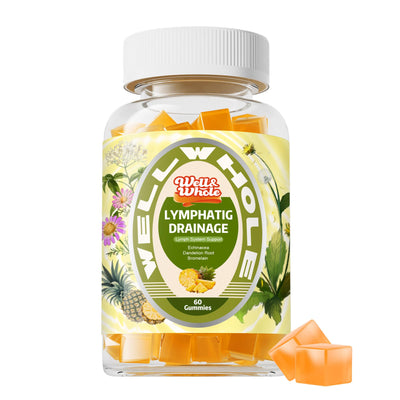
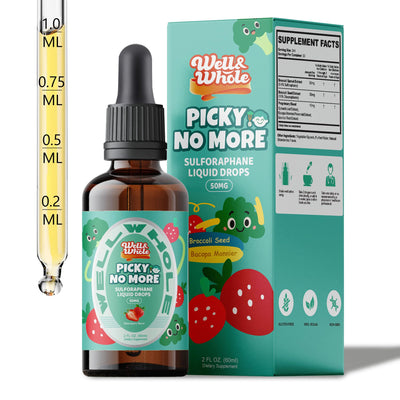
If you'd like to try it, Lymphatic Drainage Supplements Gummies with Echinacea Dandelion Burdock for Adults with Immune and Energy Support and Sulforaphane Broccoli Supplement Liquid Drops for Kids with Sulforaphane, Glucoraphanin, Bacopa Monnieri are the closest match to what we've covered here. Browse Immune Support and Health Benefits to see how the alternatives compare.
These statements have not been evaluated by the Food and Drug Administration. This product is not intended to diagnose, treat, cure, or prevent any disease. Talk to a healthcare professional before starting any new supplement, especially if you are pregnant, nursing, taking medication, or managing a health condition.
These statements have not been evaluated by the Food and Drug Administration. This product is not intended to diagnose, treat, cure, or prevent any disease.