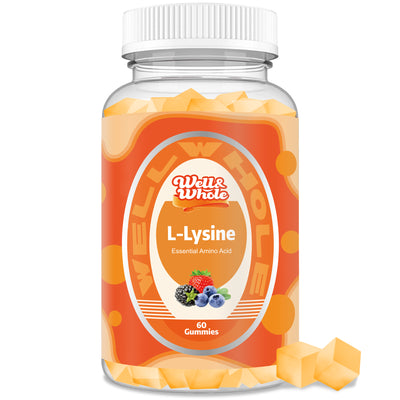
Cold Sore Supplement Lysine: A Natural Approach to Managing Outbreaks

Cold Sore Supplement Lysine: A Natural Approach to Managing Outbreaks
If you’ve ever dealt with the tingling, burning, and embarrassment of a cold sore, you know how urgent it feels to find something that works. Over-the-counter creams and prescription antivirals are common, but more people are turning to dietary supplements—specifically lysine—as a proactive way to reduce outbreaks. In this article, we’ll break down how a cold sore supplement lysine works, what science says about its effectiveness, and how to choose the right product for your wellness routine.
Understanding Cold Sores and the Role of Lysine
Cold sores, also known as fever blisters, are caused by the herpes simplex virus (HSV-1). Once you’re infected, the virus lies dormant in nerve cells and can reactivate under stress, illness, sun exposure, or a weakened immune system. The result? Painful, unsightly blisters around the lips that typically last 7–10 days.
Lysine is an essential amino acid that your body cannot produce on its own—you must get it from food or supplements. Its popularity in cold sore management stems from its ability to interfere with the replication of HSV-1. The virus needs another amino acid called arginine to multiply, and lysine competes with arginine for absorption. By increasing lysine levels relative to arginine, you can theoretically starve the virus of what it needs to replicate.
A review published by the Mayo Clinic notes that while evidence is mixed, several studies suggest lysine may help reduce the frequency and severity of cold sore outbreaks when taken consistently. For instance, a double‑blind, placebo‑controlled trial from the 1980s found that participants taking 1,000 mg of lysine daily experienced significantly fewer outbreaks compared to the placebo group.
Summary: Cold sores are caused by HSV-1, and lysine works by blocking the arginine that the virus needs to replicate. Consistent supplementation may help reduce outbreak frequency.
How Lysine Supplementation Works Against the Herpes Virus
The mechanism behind lysine’s antiviral effect is straightforward, but its real‑world results depend on dosage, timing, and consistency. Most research points to a daily intake of 1,000–3,000 mg of L‑lysine for prevention, with higher doses sometimes used during the early tingling phase to shorten an outbreak.
One of the most cited studies on this topic was conducted by Griffith et al. in 1978 and later confirmed by other researchers. The study showed that patients who supplemented with lysine had a significant reduction in recurrence rate—some by as much as 50% compared to the control group. More recent research, such as a 2017 review in the journal Nutrients, also supports the idea that lysine can be a helpful adjunct therapy for recurrent herpes infections.
It’s important to note that lysine is not a cure—it won’t eliminate the virus from your body. Instead, it helps keep the virus in check. This makes it a valuable tool for people who experience frequent outbreaks and want a natural, side‑effect‑free option.
The Science Behind Lysine and Arginine Balance
The key to lysine’s effectiveness lies in the lysine‑arginine ratio. Foods high in arginine, such as nuts, chocolate, and seeds, can trigger outbreaks in susceptible individuals. By taking a lysine supplement, you shift that balance in favor of prevention. Some experts recommend avoiding high‑arginine foods during an active outbreak while increasing lysine intake.
For the best results, many users pair lysine for cold sore prevention with a healthy diet and stress management. This holistic approach addresses both the nutritional and lifestyle triggers of HSV‑1 reactivation.
Summary: Lysine works by competing with arginine, reducing the virus’s ability to replicate. Doses of 1,000–3,000 mg daily have been shown in clinical studies to lower outbreak frequency. Maintaining a proper lysine‑arginine ratio is crucial.
Choosing a High‑Quality Lysine Supplement: Why well&whole Stands Out
With so many brands on the market, finding a reliable cold sore supplement lysine can feel overwhelming. You want a product that is pure, bioavailable, and free from unnecessary fillers. That’s where well&whole comes in.
well&whole offers a premium L‑lysine supplement that is third‑party tested for potency and purity. Each dose provides 1,000 mg of free‑form L‑lysine hydrochloride, which is easily absorbed by the body. Unlike some cheaper alternatives that use lower‑quality binders, well&whole uses a clean formulation with no artificial colors, preservatives, or common allergens like gluten or soy.
When you’re shopping for a best lysine supplement for cold sores, look for:
- Visible third‑party testing (e.g., USP, NSF, or independent lab certification)
- A clear dosage (1,000 mg per capsule is ideal for flexibility)
- No unnecessary additives that could cause digestive upset
- A reputable brand with positive customer reviews
well&whole meets all these criteria. Their commitment to quality means you’re getting a product that supports your immune system without any compromises. Plus, their packaging is designed to maintain freshness, ensuring every capsule remains effective until the last dose.
Summary: A high‑quality lysine supplement should be pure, well‑dosed, and third‑party tested. well&whole provides a clean, effective option that fits seamlessly into a daily regimen.
Incorporating Lysine into Your Daily Wellness Routine
To get the most out of lysine, consistency is key. Here’s a simple protocol many people use:
- Daily prevention: Take 1,000 mg of lysine each morning with a glass of water, preferably on an empty stomach for better absorption.
- At the first tingle: Increase to 2,000–3,000 mg per day for 3–5 days. Many users report that this can stop the cold sore from fully forming.
- Combine with other nutrients: Zinc, vitamin C, and vitamin D also support immune function. Some researchers suggest that a multi‑nutrient approach may enhance lysine’s effects.
It’s always wise to consult a healthcare professional before starting any new supplement, especially if you have kidney issues or are taking other medications. But for most people, lysine is safe and well‑tolerated.
If you’re wondering how much lysine for cold sores is right for you, start with the maintenance dose and increase during stress or exposure to known triggers like intense sun or illness. Tracking your outbreaks can help you fine‑tune your dosage over time.
Summary: Take 1,000 mg daily for prevention, and 2,000–3,000 mg at the first sign of an outbreak. Pair lysine with a healthy lifestyle to maximize its benefits.
Frequently Asked Questions
Q: How long does it take for lysine to work on a cold sore?
A: Lysine is most effective when taken early. Some people notice that a higher dose taken at the first tingle can shorten the outbreak to 2–3 days instead of the usual 7–10 days. For prevention, it may take a few weeks of consistent use to see a reduction in recurrent episodes.
Q: Can I take lysine with other cold sore treatments?
A: Yes, lysine is generally safe to combine with topical creams or prescription antivirals. Many people use it as an additional support. However, always check with your doctor if you’re on any antiviral medication to avoid potential interactions.
Q: Are there any side effects of taking lysine supplements?
A: At recommended doses (up to 3,000 mg per day), side effects are rare. Some people experience mild digestive upset or diarrhea. Higher doses over long periods may affect kidney function, so it’s best to stick to the suggested amounts. well&whole’s formulation is gentle on the stomach.
Related long‑tail keywords: “lysine for cold sore prevention,” “best lysine supplement for cold sores,” “how much lysine for cold sores.”
These statements have not been evaluated by the Food and Drug Administration. This product is not intended to diagnose, treat, cure, or prevent any disease.