Cold Hands and Feet: When to Think About Circulation

Cold hands and feet are common and usually harmless: your body protects its core by trimming blood flow to the extremities in cold rooms and stressful moments. The pattern is what matters. If fingers turn white or blue, numbness persists, or one side is consistently colder than the other, circulation is worth a closer look.
Key takeaways
- Most cold extremities are a normal response to cold or stress, not disease.
- Color changes, numbness, or slow-healing wounds are signals to raise with a doctor.
- Anemia, thyroid function, low blood pressure, and inactivity all influence warmth.
- Daily movement is the most reliable lifestyle lever for supporting circulation.
Common causes, from ordinary to worth checking
The ordinary end of the spectrum: a cold office, dehydration, tight shoes, or an adrenaline moment all reduce blood flow to hands and feet temporarily. Women report cold extremities more often, partly due to differences in core temperature regulation.
Patterns that deserve attention include Raynaud's phenomenon, where fingers or toes blanch white, then blue, then flush red as they rewarm, often in response to cold or stress. Anemia and low iron reduce the blood's oxygen-carrying capacity and commonly show up as cold intolerance and fatigue. An underactive thyroid slows metabolism and body-wide warmth. Consistently low blood pressure can leave the extremities under-supplied. A sedentary routine weakens the muscle pump in the calves that helps return blood from the legs.
Self-check signals and when to see a doctor
Ask three questions. First, is it symmetrical? Both hands being chilly in an air-conditioned room is very different from one cold, pale foot. Second, are there color changes beyond simple pallor, especially white-to-blue episodes? Third, are there accompanying signs: numbness or tingling, fatigue that rest does not fix, hair thinning, weight change, or any wound on the feet that heals slowly?
If any of those apply, book a checkup. A basic visit can screen blood counts, thyroid function, and blood pressure, which covers most of the common causes. Sudden one-sided coldness with pain is urgent and needs same-day care, because it can indicate a blocked artery rather than a chronic pattern.
Lifestyle levers that actually help
Movement first. Walking, calf raises at your desk, and climbing stairs train the muscle pump that moves blood through the legs, and regular cardiovascular exercise supports healthy blood pressure and vessel function over time. Warmth strategy is second: layered gloves, thick socks, and warming the core first with a vest or hot drink, since the body will sacrifice fingers to protect the torso.
Third, do not smoke; nicotine constricts the small vessels in exactly the places that are already coldest. Keep caffeine moderate if you notice it triggers the white-finger response, and manage stress with breathing or brief walks, since stress hormones produce the same vasoconstriction as a cold wind. Some people also explore circulation-support supplements; a healthcare professional can tell you whether one makes sense alongside the basics.
What a checkup usually involves
Knowing what to expect makes the appointment easier. A clinician will typically take your blood pressure in both arms, feel the pulses at the wrists and ankles, and order basic labs: a complete blood count to screen for anemia, thyroid-stimulating hormone to check thyroid function, and sometimes a metabolic panel. If episodes of dramatic color change occur, keeping phone photos of your hands during an episode is genuinely useful, because Raynaud's is diagnosed largely by history and observation.
For most people the workup is reassuring: the vessels are healthy and the pattern is an exaggerated normal response. For the minority where something shows up, catching it early, whether it is low iron or a thyroid pattern, makes the follow-up simpler. Neither outcome is a reason to delay the visit.
Cold-weather specifics
Winter deserves its own playbook. Warm your core before your extremities: a warm drink, a layered vest, or a few minutes of movement indoors raises the whole system's baseline before your hands ever leave the house. Choose mittens over gloves when you will be outside for a while, since fingers sharing a space stay warmer. Dry socks after any damp commute, and a pair of thin liner gloves for driving on cold mornings. Small, boring habits, but they remove most of the daily triggers that make cold hands and feet a running complaint between November and March.

Frequently asked questions
Why are my hands always cold but the rest of me is warm?
Localized cold in the hands is usually the body prioritizing core temperature, and it is amplified by stress, caffeine, and low muscle mass. If it comes with color changes or numbness, or if it is one-sided, have a clinician evaluate it rather than assuming it is normal.
Can poor circulation be improved with exercise?
Regular movement is the best-supported habit for supporting vascular health. Walking and leg-focused exercise strengthen the calf pump and support blood pressure and vessel flexibility. Results build over weeks, not days, and consistency matters more than intensity.
Do supplements help cold hands and feet?
Only if an underlying factor, such as low iron, is actually present, which a blood test can confirm. Herbal options like horse chestnut are traditionally used for leg comfort. Nothing should replace evaluation for persistent symptoms or a diagnosed cardiovascular condition.
When is cold extremities an emergency?
Sudden coldness, pain, pallor, or loss of pulse in one limb, especially with numbness or weakness, requires emergency care. That presentation suggests an acute arterial blockage, which is time-critical. Chronic, symmetric chilliness is not an emergency pattern.
Related supplements
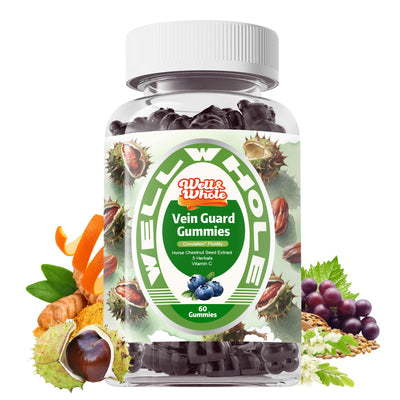
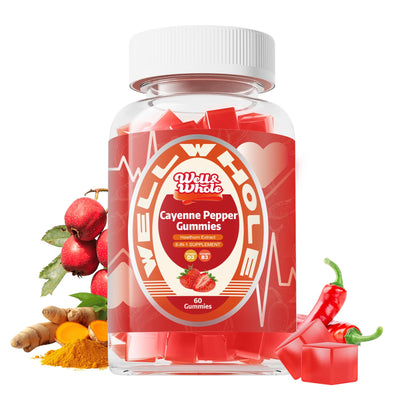
If you're ready to put this into practice, our Well&Whole Horse Chestnut Extract Gummies, Circulation Supplements for Legs and Cayenne Pepper Heart Health Gummies with Hawthorn & CoQ10 & Turmeric are formulated with this in mind. You can also compare the Heart Health and CoQ10 ranges to find the format that suits you.
These statements have not been evaluated by the Food and Drug Administration. This product is not intended to diagnose, treat, cure, or prevent any disease. Talk to a healthcare professional before starting any new supplement, especially if you are pregnant, nursing, taking medication, or managing a health condition.