Cholesterol Support: Red Yeast Rice Drops vs OTC Options
Compare red yeast rice drops with OTC cholesterol supplements. Learn about plant sterols, absorption, liquid vs capsule, and which option is best for you.

Walking down the supplement aisle, you'll find dozens of products claiming to support healthy cholesterol levels. From red yeast rice capsules to plant sterol tablets to combination formulas, the options can feel overwhelming. How do you choose?
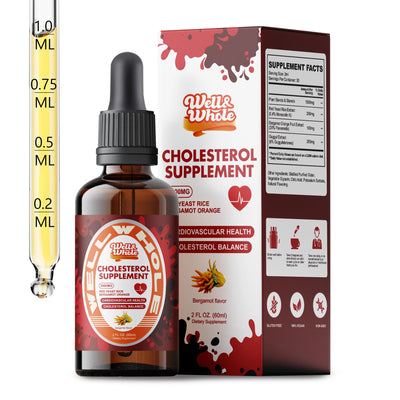
This buying guide compares the most common over-the-counter (OTC) cholesterol support options, with a focus on why liquid red yeast rice drops—like well&whole Cholesterol Support Liquid Drops—may offer unique advantages over traditional capsule formats.

Understanding the Cholesterol Support Landscape
Major Categories of OTC Cholesterol Supplements
| Category | Primary Mechanism | Key Ingredients |
|---|---|---|
| Red yeast rice | Inhibits cholesterol synthesis | Monacolin K |
| Plant sterols/stanols | Blocks cholesterol absorption | Beta-sitosterol, campesterol |
| Soluble fiber | Binds cholesterol in gut | Psyllium, beta-glucan |
| Omega-3 fatty acids | Supports triglyceride metabolism | EPA, DHA |
| Niacin | Supports lipid metabolism | Vitamin B3 |
| Garlic | Multiple mechanisms | Allicin |
Why Mechanism Matters
Different cholesterol supplements work through different pathways. The most effective approach often combines ingredients that work through complementary mechanisms:
- **Reduce production**: Red yeast rice inhibits HMG-CoA reductase, the enzyme responsible for cholesterol synthesis in the liver
- **Reduce absorption**: Plant sterols compete with cholesterol for absorption in the digestive tract
- **Support metabolism**: Omega-3s support healthy triglyceride levels
well&whole Cholesterol Support Liquid Drops take a dual-mechanism approach by combining red yeast rice (reduces production) with plant sterols (reduces absorption) in a single liquid formula.
Red Yeast Rice: The Science
Clinical Evidence
Red yeast rice is one of the most clinically studied natural cholesterol supplements. A meta-analysis published in the *Annals of Internal Medicine* reviewed 93 randomized controlled trials with over 9,600 participants. The findings showed that red yeast rice supplementation was associated with significant reductions in:
- Total cholesterol
- LDL cholesterol
- Triglycerides
What Makes Red Yeast Rice Effective?
The key compound in red yeast rice is monacolin K, which is structurally identical to lovastatin—a prescription cholesterol medication. By inhibiting HMG-CoA reductase, monacolin K helps reduce the liver's cholesterol production, prompting the liver to pull more LDL cholesterol from the bloodstream.
Quality Considerations
Not all red yeast rice supplements are created equal. Key quality factors include:
1. **Monacolin K content**: Should be clearly stated on the label
2. **Citrinin testing**: Citrinin is a potential contaminant from improper fermentation; quality products test for it
3. **Standardization**: Look for products that standardize their monacolin content
4. **Processing method**: Proper fermentation and extraction are essential for both safety and efficacy
Plant Sterols: The Absorption Blocker
How Plant Sterols Work
Plant sterols (also called phytosterols) are structurally similar to cholesterol. When consumed, they compete with dietary and biliary cholesterol for absorption in the small intestine. The result: less cholesterol enters the bloodstream.
Clinical Evidence
The FDA has acknowledged that consuming 1.3 grams or more per day of plant sterol esters as part of a diet low in saturated fat and cholesterol may reduce the risk of coronary heart disease. A meta-analysis in the *American Journal of Clinical Nutrition* reviewed 84 trials and found that plant sterols reduced LDL cholesterol by an average of 8–10%.
Advantages of Plant Sterols
- **Excellent safety profile**: Very few side effects reported
- **Compatible with statins**: Works through a different mechanism
- **Well-studied**: Decades of research support their use
- **Natural**: Found in small amounts in nuts, seeds, and vegetable oils
Liquid Drops vs Capsules: Why Format Matters
The Case for Liquid Drops
well&whole Cholesterol Support Liquid Drops offer several advantages over traditional capsule formats:

#### 1. Enhanced Absorption
Liquid supplements don't need to dissolve before their ingredients can be absorbed. A study in the *Journal of Pharmaceutical Sciences* found that liquid formulations generally have faster and more complete absorption compared to solid dosage forms. For cholesterol support, this means the active compounds may reach your bloodstream more efficiently.
#### 2. Flexible Dosing
Liquid drops allow you to adjust your dose precisely. This is particularly valuable for:
- Starting with a lower dose and gradually increasing
- Adjusting based on your healthcare provider's recommendations
- Finding the dose that works best for your individual needs
#### 3. Easy Swallowing
For people who have difficulty swallowing pills—a common concern, especially for older adults—liquid drops eliminate this barrier entirely. Simply add drops to water, juice, or your favorite beverage.
#### 4. No Fillers or Binders
Capsules and tablets often contain fillers, binders, and excipients. Liquid drops typically contain fewer additives, making them a cleaner option for those with sensitivities.
#### 5. Faster Onset
Because liquid supplements are already in solution, the body can begin absorbing the active compounds immediately, rather than waiting for a capsule to dissolve.
The Case for Capsules
Capsules do have some advantages:
- **Portability**: Easier to take on the go
- **Taste masking**: Some ingredients taste unpleasant in liquid form
- **Familiarity**: Many people prefer the routine of taking a capsule
- **Pre-measured**: No measuring required
Comparison Table
| Feature | Liquid Drops | Capsules |
|---|---|---|
| Absorption speed | Faster | Slower (must dissolve first) |
| Dosing flexibility | High | Fixed |
| Ease of swallowing | Excellent | Varies |
| Portability | Moderate | High |
| Additives | Fewer | More (fillers, binders) |
| Taste | Varies | Neutral |
| Best for | Flexible dosing, absorption | Convenience, travel |
How to Choose the Right Cholesterol Supplement
Step 1: Know Your Numbers
Before choosing a supplement, know your current lipid panel:
- Total cholesterol
- LDL cholesterol
- HDL cholesterol
- Triglycerides
This information helps you and your healthcare provider identify which areas need the most support.
Step 2: Consider Your Medications
If you take statin medications, avoid red yeast rice supplements (they contain monacolin K, which works through the same pathway). Plant sterols, however, are generally safe to combine with statins.
Step 3: Evaluate Quality
Look for supplements that:
- Clearly list ingredient amounts
- Are from reputable manufacturers
- Are tested for purity and contaminants
- Use standardized extracts
Step 4: Choose Your Format
Decide between liquid drops and capsules based on your personal preferences, swallowing ability, and desired dosing flexibility.
Step 5: Commit to Consistency
Cholesterol supplements require consistent daily use. Choose a format you can stick with long-term. If capsules sit untouched in your cabinet, liquid drops might be a better choice.
Why well&whole Cholesterol Support Liquid Drops Stand Out
well&whole Cholesterol Support Liquid Drops combine two evidence-based ingredients in a liquid format:

Dual Mechanism
- **Red yeast rice**: Supports cholesterol metabolism in the liver
- **Plant sterols**: Block cholesterol absorption in the gut
This dual approach addresses both sides of the cholesterol equation—production and absorption—for more comprehensive support than either ingredient alone.
Liquid Format Benefits
- Faster absorption
- Flexible dosing
- Easy to swallow
- Fewer additives
Value
At $21.99, the dual-ingredient formula offers excellent value compared to purchasing red yeast rice and plant sterols separately.
Complementary Lifestyle Strategies
No cholesterol supplement replaces the fundamentals of heart health. For best results, pair your supplement with:
1. **Heart-healthy diet**: Emphasize soluble fiber (oats, beans, apples), healthy fats (olive oil, avocado, nuts), and fatty fish
2. **Regular exercise**: 150 minutes of moderate aerobic activity per week
3. **Weight management**: Even modest weight loss can improve cholesterol profiles
4. **Avoid trans fats**: Check labels for partially hydrogenated oils
5. **Limit refined sugars**: Excess sugar can raise triglycerides and lower HDL
6. **Don't smoke**: Smoking damages blood vessels and lowers HDL
FAQ
Q: How long does it take for cholesterol supplements to work?
A: Most studies show measurable changes in 4–8 weeks of consistent use. Red yeast rice may show effects sooner than plant sterols, but both require ongoing use to maintain benefits.
Q: Can I take red yeast rice drops with my statin medication?
A: No. Red yeast rice contains monacolin K, which works through the same pathway as statins. Combining them increases the risk of side effects. Consult your healthcare provider.
Q: How many drops should I take per day?
A: Follow the dosage instructions on the product label. well&whole Cholesterol Support Liquid Drops include clear dosing guidance. Consult your healthcare provider for personalized recommendations.
Q: Are plant sterols safe for long-term use?
A: Yes. Plant sterols have been extensively studied and have an excellent safety profile for long-term use. The only consideration is that they may slightly reduce absorption of fat-soluble vitamins, so ensure adequate intake of vitamins A, D, E, and K.
Q: Can I mix the liquid drops with food or drinks?
A: Yes. Liquid drops can be added to water, juice, smoothies, or other beverages. Avoid mixing with hot liquids, as heat may affect the active compounds.
Q: Should I take cholesterol supplements with food?
A: Yes. Taking cholesterol supplements with meals—especially meals containing some fat—improves absorption of plant sterols and other fat-soluble ingredients.
Q: What's the difference between plant sterols and stanols?
A: Both work similarly by blocking cholesterol absorption. Stanols are the saturated form of sterols and may be slightly more effective, but both are well-supported by research.
Q: Can I stop taking my prescription cholesterol medication and switch to supplements?
A: Never stop a prescription medication without consulting your healthcare provider. Supplements may complement your medication strategy, but they should not replace prescribed treatments without medical guidance.
Conclusion
When it comes to OTC cholesterol support, the best choice depends on your individual needs, preferences, and health status. Red yeast rice and plant sterols are the two most evidence-based natural options, and they work through different mechanisms—making them ideal in combination.
well&whole Cholesterol Support Liquid Drops stand out by combining both ingredients in a liquid format that offers enhanced absorption, flexible dosing, and ease of use. At $21.99, they provide excellent value for a dual-mechanism formula.
Choose your supplement wisely, commit to consistent daily use, and pair it with a heart-healthy lifestyle. Your cholesterol numbers—and your heart—will thank you.
Related supplements
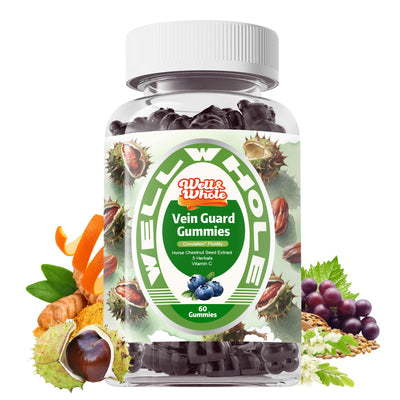
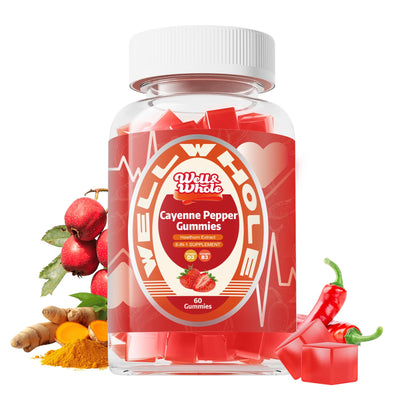
If you'd like to try it, well&whole Horse Chestnut Extract Gummies, Circulation Supplements for Legs and Cayenne Pepper Heart Health Gummies with Hawthorn & CoQ10 & Turmeric are the closest match to what we've covered here. Browse Heart Health and CoQ10 to see how the alternatives compare.
These statements have not been evaluated by the Food and Drug Administration. This product is not intended to diagnose, treat, cure, or prevent any disease.