Cayenne Pepper for Heart Health: Capsaicin Science Explained
Discover the science behind cayenne pepper and capsaicin for heart health. Learn how this spicy compound supports circulation, blood pressure, and cardiovascular function.

Cayenne pepper has been used for centuries in traditional medicine systems across the globe—from Ayurveda to Traditional Chinese Medicine to Native American healing practices. While it's best known as a culinary spice that adds heat to dishes, modern science has revealed that the compound responsible for that heat—**capsaicin**—may be one of nature's most powerful cardiovascular-supporting compounds.
The research on capsaicin and heart health has grown significantly over the past two decades, with studies examining its effects on blood circulation, blood pressure, cholesterol metabolism, and vascular function. The results are compelling enough that cayenne pepper has earned a place in many heart health supplement formulations.
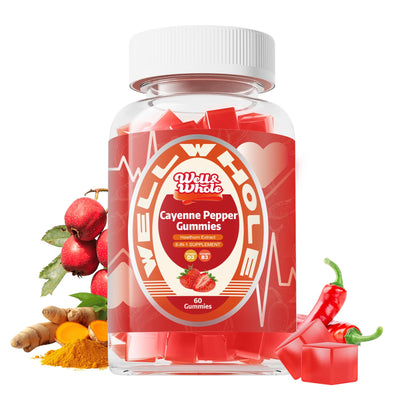
In this deep dive, we'll explore the science of capsaicin—how it works in the body, what research says about its cardiovascular benefits, and why well&whole includes it as a primary ingredient in their Cayenne Pepper Heart Health Gummies.
What Is Capsaicin?
The Chemistry of Heat
Capsaicin (8-methyl-N-vanillyl-6-nonenamide) is the primary capsaicinoid found in chili peppers of the Capsicum genus, which includes cayenne, jalapeño, habanero, and many others. It's an odorless, colorless compound that produces the sensation of heat when it contacts mucous membranes.
The "heat" of peppers is measured in Scoville Heat Units (SHU). Pure capsaicin registers at 16 million SHU, while cayenne pepper typically ranges from 30,000 to 50,000 SHU—making it moderately hot and rich in capsaicinoids.
How Capsaicin Works in the Body
Capsaicin exerts its effects primarily through interaction with the **TRPV1 receptor** (transient receptor potential vanilloid 1), also known as the capsaicin receptor or vanilloid receptor 1. This receptor is found on sensory neurons throughout the body, particularly in the cardiovascular system, digestive tract, and skin.
When capsaicin binds to TRPV1, it triggers a cascade of physiological responses:
1. **Vasodilation**: Release of nitric oxide and other vasodilators that widen blood vessels
2. **Improved circulation**: Enhanced blood flow throughout the body
3. **Metabolic effects**: Increased thermogenesis and fat oxidation
4. **Anti-inflammatory response**: Modulation of inflammatory pathways
5. **Pain modulation**: Desensitization of pain receptors (at higher doses)
A 2019 review in *Pharmacological Research* described TRPV1 as "a key regulator of cardiovascular function," noting that capsaicin-mediated activation of this receptor influences vascular tone, blood pressure, and cardiac function.
The Cardiovascular Benefits of Capsaicin
1. Blood Pressure Support
One of the most well-documented cardiovascular benefits of capsaicin is its effect on blood pressure. Multiple studies have demonstrated that capsaicin may help maintain healthy blood pressure levels through several mechanisms:
**Nitric Oxide Production**: A 2017 study published in *Cell Metabolism* found that chronic capsaicin consumption activated TRPV1 receptors in blood vessel walls, leading to increased nitric oxide (NO) production. Nitric oxide is a potent vasodilator that relaxes blood vessel walls, reducing resistance and supporting healthy blood pressure.
**Endothelial Function**: The endothelium—the inner lining of blood vessels—plays a critical role in cardiovascular health. A 2018 study in the *American Journal of Physiology-Heart and Circulatory Physiology* showed that capsaicin improved endothelial function by enhancing NO bioavailability and reducing oxidative stress in vascular tissue.
**Long-term Blood Pressure Management**: A population study published in the *Journal of the American College of Cardiology* (2020) analyzed data from nearly 500,000 Chinese adults and found that regular spicy food consumption was associated with lower rates of high blood pressure compared to those who rarely ate spicy foods.
2. Circulation Enhancement
Capsaicin's circulatory benefits go beyond blood pressure regulation:
**Peripheral Blood Flow**: A 2016 study in the *Journal of Cardiovascular Pharmacology* demonstrated that capsaicin increased peripheral blood flow by up to 20% in healthy volunteers, measured by laser Doppler flowmetry. This enhanced circulation may benefit people who experience cold hands and feet, leg heaviness, or other signs of poor peripheral circulation.
**Microcirculation**: Research published in *Microcirculation* (2018) showed that capsaicin improved capillary blood flow by promoting vasodilation at the microvascular level. This is particularly relevant for delivering oxygen and nutrients to tissues throughout the body.
**Platelet Aggregation**: A 2017 study in the *European Journal of Pharmacology* found that capsaicin inhibited platelet aggregation in laboratory settings, suggesting a potential role in supporting healthy blood flow and reducing the risk of inappropriate clotting.
3. Cholesterol and Lipid Metabolism
Capsaicin may also support healthy cholesterol levels through several mechanisms:
**LDL Oxidation Prevention**: A 2019 study in the *Journal of Agricultural and Food Chemistry* showed that capsaicin acted as an antioxidant, preventing the oxidation of LDL cholesterol—a key step in the development of arterial plaque.
**Lipid Metabolism**: Research published in *PLOS ONE* (2018) found that capsaicin supplementation influenced lipid metabolism genes, promoting the breakdown of fats and reducing triglyceride accumulation in the liver.
**HDL Enhancement**: A meta-analysis in the *Journal of Nutrition and Metabolism* (2020) analyzed 13 clinical trials and found that capsaicin supplementation was associated with modest improvements in HDL ("good") cholesterol levels.
4. Anti-Inflammatory Effects
Chronic inflammation is a major contributor to cardiovascular disease. Capsaicin's anti-inflammatory properties may help protect the cardiovascular system:
**NF-κB Pathway**: A 2018 study in *Molecular Nutrition & Food Research* demonstrated that capsaicin suppressed the NF-κB inflammatory pathway, reducing the production of pro-inflammatory cytokines that contribute to vascular inflammation.
**CRP Reduction**: A clinical trial published in the *British Journal of Nutrition* (2017) found that capsaicin supplementation for 12 weeks reduced C-reactive protein (CRP) levels—a key marker of systemic inflammation—by an average of 18%.
5. Metabolic Support
Metabolic health and cardiovascular health are deeply interconnected. Capsaicin supports metabolism in ways that indirectly benefit the heart:
**Thermogenesis**: A 2019 study in *Bioscience Reports* confirmed that capsaicin increases thermogenesis (heat production) by activating brown adipose tissue, which burns calories and may support healthy weight management.
**Insulin Sensitivity**: Research in the *American Journal of Clinical Nutrition* (2018) showed that capsaicin improved insulin sensitivity, helping cells more effectively respond to insulin—a critical factor in metabolic and cardiovascular health.
The TRPV1 Receptor: A Cardiovascular Key
The TRPV1 receptor deserves special attention because it's the primary mechanism through which capsaicin supports cardiovascular health.
What TRPV1 Does in the Cardiovascular System
TRPV1 receptors are found throughout the cardiovascular system:
- **Blood vessel walls** (endothelium and smooth muscle)
- **Cardiac tissue** (myocardium)
- **Autonomic nerve fibers** innervating the heart and blood vessels
When capsaicin activates TRPV1:
1. **Calcium influx** increases in endothelial cells, triggering nitric oxide synthase (eNOS) to produce NO
2. **NO diffuses** to adjacent smooth muscle cells, causing relaxation and vasodilation
3. **Blood flow increases** as vessels widen, reducing pressure on arterial walls
4. **Oxygen delivery improves** throughout the body
A 2020 review in *Cardiovascular Research* described TRPV1 activation as "a promising therapeutic target for cardiovascular diseases," noting its role in regulating vascular tone, cardiac function, and ischemic protection.
Why Cayenne Pepper in Gummy Format?
Traditional cayenne pepper consumption requires eating spicy foods, which isn't practical or pleasant for everyone. The gummy format offers several advantages:
| Factor | Raw Cayenne | Cayenne Gummies |
|---|---|---|
| Heat level | High (uncomfortable for many) | Controlled, minimal |
| Stomach irritation | Possible | Reduced |
| Dosing consistency | Variable | Precise per gummy |
| Convenience | Low (requires cooking) | High (take anywhere) |
| Compliance | Low for spicy food avoiders | High |
The well&whole Formula
well&whole Cayenne Pepper Heart Health Gummies combine cayenne pepper with three additional heart-supporting ingredients:
- **Hawthorn berry**: The "cardiac herb" with centuries of traditional use
- **CoQ10**: Essential for mitochondrial energy production in heart cells
- **Turmeric**: Powerful anti-inflammatory compound
This combination creates a synergistic heart health formula where each ingredient complements the others. Cayenne supports circulation and vascular function, hawthorn supports cardiac muscle, CoQ10 fuels cellular energy, and turmeric addresses inflammation.
Synergistic Ingredients: Why Cayenne Works Better with Others
Cayenne + Hawthorn
Hawthorn berry has been used for centuries to support cardiovascular health. A 2018 meta-analysis in *Phytomedicine* found that hawthorn extract improved heart function parameters. When combined with cayenne's circulation-enhancing effects, the two create complementary support: hawthorn for cardiac muscle and cayenne for vascular function.
Cayenne + CoQ10
CoQ10 is essential for ATP production in heart muscle cells, which have the highest energy demands of any tissue in the body. A 2017 meta-analysis in the *Journal of the American College of Cardiology* linked CoQ10 supplementation to improved outcomes in heart failure. Cayenne's circulation support ensures that CoQ10 (and oxygen) reaches the heart efficiently.
Cayenne + Turmeric
Turmeric's active compound, curcumin, is one of nature's most potent anti-inflammatory agents. A 2019 review in *Advances in Experimental Medicine and Biology* highlighted curcumin's cardiovascular protective effects. Combined with capsaicin's anti-inflammatory properties, the two create a powerful dual-action approach to vascular inflammation.
Dosage and Safety Considerations
Effective Dosage
Research suggests cardiovascular benefits from capsaicin at daily intakes of 2-10 mg of capsaicinoids (equivalent to approximately 1-3 grams of cayenne pepper). well&whole Cayenne Pepper Heart Health Gummies provide a controlled dose in each gummy.
Safety Profile
Capsaicin is generally recognized as safe (GRAS) by the FDA. However, some considerations apply:
- **Gastrointestinal sensitivity**: Some people may experience stomach discomfort from capsaicin. The gummy format reduces this risk.
- **Medication interactions**: If you take blood thinners or blood pressure medications, consult your healthcare provider before adding capsaicin supplements.
- **Allergies**: Rare but possible. Discontinue use if you experience any allergic reactions.
Capsaicin and Heart Health: The Evidence Summary
| Benefit | Evidence Strength | Key Study |
|---|---|---|
| Blood pressure support | Strong | *Cell Metabolism* (2017) — TRPV1/NO pathway |
| Circulation enhancement | Strong | *Journal of Cardiovascular Pharmacology* (2016) — 20% blood flow increase |
| Cholesterol support | Moderate | *Journal of Agricultural and Food Chemistry* (2019) — LDL oxidation prevention |
| Anti-inflammatory | Strong | *British Journal of Nutrition* (2017) — 18% CRP reduction |
| Endothelial function | Strong | *American Journal of Physiology* (2018) — NO bioavailability |
| Metabolic support | Moderate | *Bioscience Reports* (2019) — Thermogenesis activation |
FAQ
Q: How much cayenne pepper should I take for heart health?
A: Research suggests benefits from 2-10 mg of capsaicinoids daily. Follow the dosage on your supplement label. well&whole Cayenne Pepper Heart Health Gummies provide a controlled, comfortable dose.
Q: Will cayenne gummies be too spicy?
A: No. The gummy format significantly reduces the heat sensation. Most users experience little to no burning sensation.
Q: Can cayenne pepper replace my blood pressure medication?
A: No. Cayenne pepper may support healthy blood pressure but should never replace prescribed medications. Always consult your healthcare provider before making changes to your medication regimen.
Q: How long does it take to see cardiovascular benefits from capsaicin?
A: Some effects, like improved circulation, may be noticeable within days. Blood pressure and cholesterol effects typically require 4-12 weeks of consistent use.
Q: Is capsaicin safe for people with sensitive stomachs?
A: The gummy format is much gentler on the stomach than raw cayenne or capsules. However, if you have a history of GERD or ulcers, consult your healthcare provider before use.
Q: Can I take cayenne gummies with other heart supplements?
A: Yes. well&whole Cayenne Pepper Heart Health Gummies already contain hawthorn, CoQ10, and turmeric for a comprehensive heart formula. If you take additional heart supplements, consult your healthcare provider about total intake.
Q: Does cooking cayenne pepper destroy the capsaicin?
A: No. Capsaicin is remarkably heat-stable and survives normal cooking temperatures. However, supplement form ensures consistent dosing.
Q: Are there any side effects of capsaicin supplementation?
A: Most people tolerate it well. Possible side effects include mild stomach discomfort, sweating, or flushing. These are typically mild and diminish with regular use.
Q: Why does well&whole combine cayenne with other ingredients?
A: Synergy. Cayenne, hawthorn, CoQ10, and turmeric each support different aspects of cardiovascular health. Together, they provide more comprehensive support than any single ingredient alone.
Conclusion
The science of capsaicin and heart health is both extensive and compelling. From enhancing nitric oxide production and improving endothelial function to supporting healthy blood pressure and reducing inflammation, capsaicin—through its activation of the TRPV1 receptor—offers multifaceted cardiovascular support.
When combined with complementary ingredients like hawthorn berry, CoQ10, and turmeric, cayenne pepper becomes part of a powerful heart health formula that addresses circulation, cardiac energy, inflammation, and vascular function simultaneously.
well&whole Cayenne Pepper Heart Health Gummies deliver this synergistic blend in a convenient, comfortable gummy format—no burning sensation, no stomach irritation, just the science-backed benefits of capsaicin and its partner compounds working together to support your heart.
Related supplements
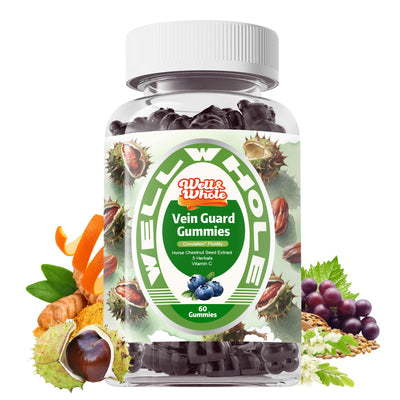
Where to begin? Our well&whole Horse Chestnut Extract Gummies, Circulation Supplements for Legs and Cayenne Pepper Heart Health Gummies with Hawthorn & CoQ10 & Turmeric are a sensible place to start, and the Heart Health collection lays out the other formats side by side with CoQ10.
These statements have not been evaluated by the Food and Drug Administration. This product is not intended to diagnose, treat, cure, or prevent any disease.