Cayenne Pepper for Circulation: How Capsaicin Supports Healthy Blood Flow

Cayenne pepper supports healthy circulation mainly through capsaicin, its active compound. Capsaicin stimulates TRPV1 receptors, which can temporarily improve blood flow and cardiovascular comfort. It is a supportive ingredient, not a treatment for any medical condition.
Key Takeaways
- Botanical supplements use concentrated plant compounds traditionally valued for everyday wellness support.
- Quality depends on sourcing, standardization, and third-party testing.
- Follow label servings and consult a professional if you take medication or are pregnant.
Key takeaways
- Capsaicin is the compound in cayenne linked to circulation support.
- Its main action is on TRPV1 receptors, which influence blood vessel tone.
- Evidence is strongest for traditional and short-term effects, not long-term disease treatment.
- Choose standardized extracts, often paired with hawthorn or CoQ10.
How capsaicin affects blood flow
Capsaicin binds to TRPV1 receptors on sensory nerves. That interaction is tied to the release of compounds that help blood vessels relax and widen, which supports comfortable circulation. The effect is modest and temporary rather than a permanent change, and it varies from person to person based on sensitivity and dose.
Researchers also look at capsaicin's relationship with nitric oxide, a signaling molecule that helps vessels dilate. While the lab evidence is interesting, it is worth keeping expectations realistic: cayenne is a daily supportive botanical, not a replacement for medical care of any circulatory condition.
What the evidence actually shows
Cayenne has a long traditional history for circulatory warmth and comfort. Some short-term studies examine capsaicin and blood-flow markers, but the human evidence for treating circulatory disease is limited. Most of what we can say with confidence is that capsaicin produces a measurable, short-lived effect on vessel tone and comfort.
For that reason, the honest framing is supportive use. If you have a diagnosed circulatory condition, cayenne is something to discuss with your clinician rather than something to self-prescribe as a therapy.
Cayenne vs other circulation herbs
| Approach | Proposed mechanism | Evidence note |
|---|---|---|
| Cayenne (capsaicin) | TRPV1 receptor, vessel tone | Traditional + short-term human data |
| Ginkgo biloba | Microcirculation, blood thinning | Studied, mixed results |
| Beetroot (nitrate) | Nitric oxide production | Stronger short-term flow data |
| Hawthorn | Endothelial support | Traditional, some trials |
None of these is a stand-alone treatment. Many circulation formulas combine several for complementary angles, which is why cayenne is often paired with hawthorn or CoQ10.
Choosing a cayenne circulation supplement
Look for a standardized capsaicin amount, not just 'cayenne powder.' Many circulation formulas pair cayenne with hawthorn or CoQ10, which target related pathways. Start with a low dose to assess tolerance, since capsaicin can cause warmth or stomach sensitivity. Gummies can be a gentler entry point than concentrated extracts for first-time users.
Related supplements
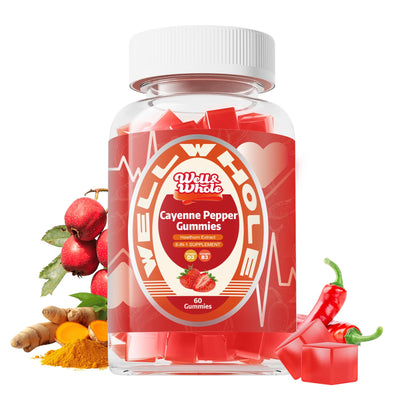
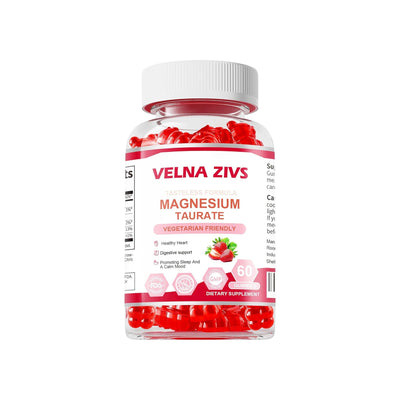
If you want to go deeper, cayenne pepper extract gummies and magnesium taurate gummies 1800mg magnesium taurate supplement are good next reads, alongside our heart health and energy support collections.
These statements have not been evaluated by the Food and Drug Administration. These products are not intended to diagnose, treat, cure, or prevent any disease. Consult a qualified healthcare professional before use, especially if you are pregnant, nursing, taking medication, or have a medical condition.
How capsaicin affects blood flow
Capsaicin — the compound that makes chilli hot — works on blood vessels through a well-characterised route. It activates TRPV1 receptors on sensory nerves, which triggers the release of vasoactive neuropeptides and produces a local warming and flushing response. That is why cayenne has a long history as a "circulatory stimulant" in herbal practice, and the mechanism is real rather than folkloric.
It is worth being precise about what that does and does not mean. A warming sensation is a nerve effect, not a measurement of improved circulation to a limb. The subjective experience of heat is not the same outcome as increased perfusion, and the two get conflated constantly in supplement marketing.
Topical versus oral
This is the most important practical distinction. Topical capsaicin is genuinely established — low-concentration creams are a recognised option for certain types of localised pain, working through a different mechanism (depleting substance P from sensory nerves with repeated use).
Oral capsaicin for circulation is much thinner. There is some evidence around metabolic rate and modest effects on cardiovascular risk markers, but the claim that oral cayenne meaningfully improves circulation in the legs is not well supported. If that is your goal, the ingredients with better evidence are different ones.
Safety, which is not trivial here
Cayenne is a food, but concentrated supplemental doses are not the same as seasoning a meal. Real cautions:
- GI irritation. Capsaicin can aggravate reflux, gastritis and inflammatory bowel conditions. If you have any of these, concentrated cayenne is a poor idea.
- Drug interactions. Cayenne may affect how the liver clears certain drugs, and there is a theoretical interaction with ACE inhibitors (via cough reflex) and with anticoagulants.
- Surgery. Because of the bleeding-theory concern, most guidance is to stop concentrated cayenne before scheduled surgery.
- Handling. Capsaicin on the hands and then in the eyes is genuinely painful — wash hands after handling.
Where it fits
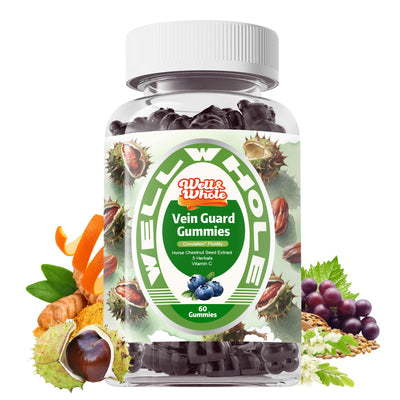
For leg circulation specifically, horse chestnut extract has a substantially better evidence base than cayenne, and the two are often combined for that reason. Compare them in our heart and circulation collection, and see horse chestnut circulation gummies alongside cayenne pepper extract gummies. If leg swelling or pain is persistent or one-sided, that needs a clinician, not a supplement — a clot is not something to self-manage.
One last practical note on dosing: capsaicin products should state a standardised capsaicin content, because "cayenne powder 500 mg" tells you almost nothing about how much of the active compound you are getting. Heat units and Scoville ratings are marketing, not dosing.
How botanicals are used in wellness routines
Plants such as turmeric, ginger, hawthorn, and boswellia have long traditional histories. Modern supplements standardize active compounds so servings are clear and consistent.
They are typically taken daily as part of a broader diet-and-lifestyle routine.
Who might be interested
Adults exploring natural, food-derived support for everyday wellness often include botanicals.
Because plants can interact with medications, checking with a healthcare professional is important.
How to choose a quality botanical supplement
Look for standardized active compounds, transparent sourcing, and third-party testing. Gummies, capsules, and liquids each suit different preferences.
How it may fit alongside a balanced diet
Botanicals complement a diet rich in vegetables, herbs, and whole foods—they are not a replacement for varied nutrition.
This article is for general wellness education and is not intended to diagnose, treat, cure, or prevent any condition. Individual needs vary—always review product labels and consult a qualified healthcare professional before starting any new supplement.
These statements have not been evaluated by the Food and Drug Administration. This product is not intended to diagnose, treat, cure, or prevent any disease.