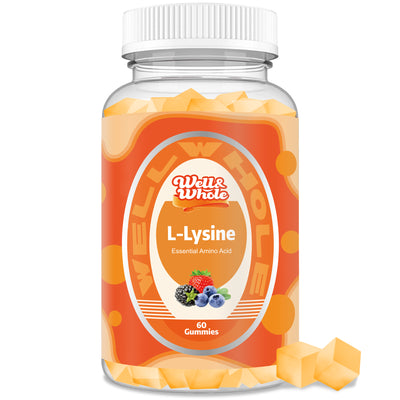
Can You Take Too Much L-Lysine Supplement

Can You Take Too Much L-Lysine Supplement?
L-lysine is an essential amino acid that the body cannot produce on its own. Many people turn to L-lysine supplements to support immune function, cold sore management, and collagen production. But once you start taking it daily, a common question arises: Can you take too much L-lysine supplement? The short answer is yes—excessive intake can lead to side effects, though the threshold varies by individual. This article breaks down what you need to know about safe usage, recommended dosages, warning signs of overconsumption, and how to choose a reliable product like well&whole to keep your supplementation on track.
What Is L-Lysine and Why Do People Take It?
L-lysine plays a crucial role in protein synthesis, calcium absorption, and the production of enzymes and hormones. Athletes and active individuals often use it to support muscle recovery, while others take it to reduce the frequency and severity of herpes simplex outbreaks. Research also suggests it may help with anxiety and blood sugar regulation.
Given these benefits, it’s tempting to assume more is better. But because L-lysine competes with another amino acid called arginine, high doses can disrupt this balance and cause unintended effects. Understanding safe L-lysine dosage is the first step toward responsible use.
Summary: L-lysine supports immune health, cold sore prevention, and muscle recovery. While beneficial, it must be used within safe limits to avoid disrupting amino acid balance.
How Much L-Lysine Is Considered Safe?
Recommended Dosage and Upper Limits
Most clinical studies use doses ranging from 500 mg to 3,000 mg per day for short-term use. For example, a 2017 review in the journal Nutrients noted that 1,000 mg three times daily (total 3,000 mg) is commonly used for herpes management without significant adverse effects. However, long-term safety data above 3,000 mg is limited.
The upper tolerable intake level for L-lysine has not been officially established by organizations like the Institute of Medicine, but individual tolerance varies. Some people can handle 4–6 grams daily for short periods, while others experience discomfort at just 2 grams. Factors such as kidney function, overall diet, and concurrent medications play a role.
A key long-tail keyword to consider here is “how much L-lysine per day for cold sores” —typically 1,000–3,000 mg divided into doses. For general maintenance, 500–1,000 mg is often sufficient.
Summary: Doses up to 3,000 mg per day are generally considered safe for most adults in the short term. Exceeding that without medical supervision increases the risk of side effects.
Signs and Risks of Taking Too Much L-Lysine
When you exceed your body’s capacity to process L-lysine, you may notice gastrointestinal issues first. Common side effects include diarrhea, nausea, stomach cramps, and bloating. These symptoms are usually mild and resolve when you lower the dose.
Rare but more serious risks involve kidney strain. Since L-lysine is processed through the kidneys, individuals with pre-existing kidney disease should be especially cautious. A 2014 case report in Clinical Journal of the American Society of Nephrology linked high-dose lysine supplements (over 6 grams daily) to kidney function decline in susceptible patients.
Another concern is interference with arginine levels. Too much lysine can suppress arginine, which is important for nitric oxide production and cardiovascular health. Symptoms of arginine deficiency include fatigue, poor wound healing, and reduced immune response.
For those wondering “L-lysine side effects overdose”, the warning signs include persistent diarrhea, abdominal pain, and changes in urination. If you experience these, stop supplementation and consult a healthcare provider.
Summary: Excessive L-lysine can cause GI distress, kidney issues, and arginine imbalance. Stick to recommended ranges and pay attention to your body’s signals.
Tips for Safe Supplementation with well&whole
Not all L-lysine supplements are created equal. Choosing a high-quality product helps you avoid impurities and ensures accurate dosing. well&whole offers L-lysine capsules that are third-party tested for potency and purity, so you know exactly what you’re getting.
Here are practical guidelines to prevent over-supplementation:
- Start low. Begin with 500 mg per day and increase gradually if needed. This allows you to gauge your personal tolerance.
- Follow the label. Adhere to the serving size recommended by the manufacturer. For well&whole, each capsule typically contains 500 mg or 1,000 mg, making it easy to adjust.
- Cycle your use. Consider taking L-lysine for 4–6 weeks, then taking a week off. This reduces the risk of long-term accumulation.
- Monitor your diet. If you already consume high-lysine foods like meat, fish, eggs, and dairy, you may need a smaller supplement dose.
- Stay hydrated. Adequate water intake supports kidney function and helps flush excess amino acids.
Another long-tail keyword to keep in mind: “safe L-lysine dosage for adults” . The consensus among nutritionists is that 2,000–3,000 mg per day is the maximum for healthy individuals without medical oversight.
Summary: Safe supplementation starts with choosing a reputable brand like well&whole, starting with a low dose, and listening to your body. Regular breaks and proper hydration further reduce risks.
Frequently Asked Questions
1. Can I take 5,000 mg of L-lysine daily?
While some studies have used temporary doses of 4,000–6,000 mg, daily intake above 3,000 mg increases the likelihood of side effects like diarrhea and kidney stress. It is not recommended without a doctor’s supervision. For most people, 500–3,000 mg per day is sufficient.
2. How long does it take for L-lysine side effects to appear?
Gastrointestinal symptoms can appear within a few hours to a couple of days after taking a high dose. If you experience persistent discomfort, reduce your intake immediately. Chronic overuse may take weeks to cause noticeable kidney issues.
3. Is it safe to take L-lysine with other supplements?
L-lysine generally pairs well with vitamin C, zinc, and B vitamins. However, avoid taking it with high-dose arginine supplements, as they compete for absorption. If you have kidney concerns or take medications, consult your healthcare provider before combining supplements.
References:
- National Institutes of Health (NIH) Office of Dietary Supplements – Lysine Fact Sheet.
- Nutrients journal, 2017: “Lysine in the Management of Herpes Simplex.”
- Clinical Journal of the American Society of Nephrology, 2014: “Amino Acid Supplements and Kidney Function.”
These statements have not been evaluated by the Food and Drug Administration. This product is not intended to diagnose, treat, cure, or prevent any disease.