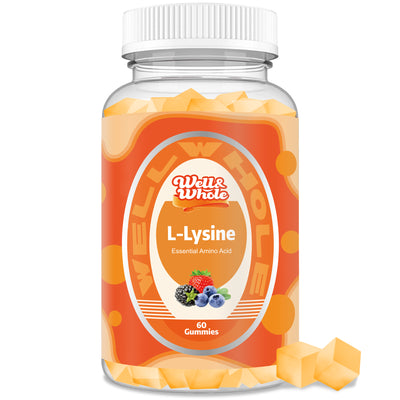
Can You Take Lysine with Other Supplements

Can You Take Lysine with Other Supplements? A Practical Guide for Safe Stacking
If you’re exploring lysine supplementation, you’ve likely asked yourself: Can you take lysine with other supplements? The answer is generally yes, but the safety and effectiveness depend on which supplements you combine, your health goals, and how your body processes these nutrients. Lysine is an essential amino acid that supports collagen production, immune function, and calcium absorption. It often pairs well with vitamin C, zinc, and certain other amino acids, but there are nuances to consider. At well&whole, we believe in transparent, research-backed guidance so you can build a supplement routine that truly works. Let’s break down the most common combinations, potential interactions, and best practices for stacking lysine.
Understanding Lysine’s Role and How It Interacts with Other Nutrients
Lysine doesn’t work in isolation. Your body uses it alongside other amino acids, vitamins, and minerals to perform key functions. For instance, lysine is critical for collagen synthesis, which requires vitamin C as a cofactor. Without enough vitamin C, lysine cannot be properly converted into collagen, no matter how much you take. This synergy is a classic example of why supplement stacking matters.
At the same time, lysine competes with another amino acid, arginine, for absorption in the small intestine. Arginine is often taken for blood flow and heart health, while lysine is popular for cold sore prevention. Taking high doses of both at the same time may reduce each other’s effectiveness. A 2002 study in the Journal of Nutrition showed that lysine and arginine share the same transporter system (y+ system), meaning simultaneous intake can lead to competitive inhibition. However, moderate doses spaced apart usually avoid this issue.
Summary: Lysine works best when paired with synergistic nutrients like vitamin C, but may compete with arginine if taken together. Understanding these interactions helps you time your stack correctly.
Safe and Effective Combinations: Lysine with Vitamin C, Zinc, and Other Common Supplements
Lysine and Vitamin C: The Collagen-Building Duo
This is one of the most research-backed pairings. Vitamin C acts as a cofactor for the enzymes prolyl hydroxylase and lysyl hydroxylase, which are essential for stabilizing collagen fibers. Taking lysine and vitamin C together boosts collagen production more than either supplement alone. A 2015 review in Nutrients confirmed that this combination is beneficial for skin health, wound healing, and joint support. For best results, take them at the same meal—vitamin C is water-soluble and easily absorbed with lysine.
Lysine and Zinc: Immune Support and Wound Healing
Zinc is another mineral that works hand-in-hand with lysine. Zinc supports immune cell function and wound repair, while lysine provides the amino acid backbone for tissue regeneration. Clinical studies suggest that zinc deficiency can impair lysine’s role in protein synthesis. Conversely, adequate zinc levels enhance lysine utilization. Many cold sore sufferers combine lysine with zinc lozenges for synergistic antiviral effects. However, high-dose zinc (above 40 mg daily) can interfere with copper absorption over time, so follow daily limits. You might be looking for information about lysine and zinc together—they are generally safe, but take them with food to avoid stomach upset.
Lysine with B Vitamins and Magnesium
B vitamins, especially B6 and B12, are involved in amino acid metabolism. Lysine requires B6 as a cofactor for transamination reactions. Magnesium also plays a supporting role in protein synthesis. These combinations are low-risk and often included in comprehensive amino acid blends. A typical multivitamin already contains these nutrients, so no special timing is needed.
What About Lysine and Arginine? The Competition
As mentioned earlier, lysine and arginine compete for absorption. If you take both for athletic performance (arginine for nitric oxide, lysine for recovery), consider taking them at different times of day—for example, lysine in the morning and arginine before exercise. This minimizes interference. A 2018 study in Amino Acids found that when lysine and arginine were taken four hours apart, absorption rates were similar to taking them alone. This is a practical solution for anyone looking to use both.
Summary: Vitamin C, zinc, B6, and magnesium are excellent partners for lysine. Avoid taking lysine and arginine simultaneously; spacing them out by a few hours preserves their individual benefits.
Precautions, Timing, and Best Practices for Supplement Stacking
Even safe combinations can cause minor side effects if you ignore dosage or timing. Here are key considerations:
- Dosage Matters: The typical therapeutic dose of lysine is 500–3,000 mg per day. Exceeding 3,000 mg consistently may cause gastrointestinal issues like diarrhea or stomach cramps, especially when combined with other amino acids. Stick to manufacturer recommendations.
- Watch for Drug Interactions: Lysine can increase calcium absorption. If you take calcium channel blockers or medications for osteoporosis (e.g., calcitonin), consult your doctor. No major drug interactions are reported with lysine alone, but stacking multiple supplements increases the need for caution.
- Avoid Overlapping Ingredients: Many multivitamins already contain lysine as part of an amino acid blend. Double-check labels to prevent accidental overdosing. The same applies to zinc and vitamin C—if your multivitamin provides 100% DV, adding extra may exceed safe upper limits.
- Take with Food: Lysine is best absorbed with a meal that contains some protein and carbohydrates. This also reduces the risk of stomach upset when stacking with zinc or vitamin C.
For those searching for safe lysine supplement combinations, a good rule of thumb is to start with one new supplement at a time and wait three days before adding another. This helps you identify any adverse reactions. At well&whole, our product formulations are designed with these synergies in mind—for example, our lysine capsules pair naturally with our vitamin C gummies for collagen support.
Summary: Proper timing, moderate doses, and awareness of existing medications are the foundation of safe stacking. Always read labels and start low.
How well&whole Can Support Your Supplement Routine
As a trade company specializing in high-quality supplements, well&whole understands that customers want straightforward, science-backed answers. When you ask, “Can you take lysine with other supplements?” we recommend focusing on evidence-based combinations like lysine with vitamin C for skin health, or lysine with zinc for immune resilience. Our product range includes individually formulated capsules and powders that allow you to build custom stacks without worrying about hidden interactions. If you’re exploring lysine with vitamin C benefits, consider pairing our lysine 500 mg capsules with our liposomal vitamin C for enhanced absorption. And if you need zinc and lysine together, our zinc picolinate offers optimal bioavailability alongside lysine.
We also provide educational resources on dosing and potential interactions because we believe informed choices lead to better outcomes. Whether you’re a wellness enthusiast or a health professional sourcing for clients, well&whole is your partner in responsible supplementation.
Final Thoughts on Lysine and Supplement Stacking
Combining lysine with other supplements is generally safe and can be highly beneficial when done thoughtfully. The key is to understand which nutrients synergize and which compete. Lysine pairs well with vitamin C, zinc, B vitamins, and magnesium, while it competes with arginine. Always watch total daily doses, space conflicting amino acids apart, and consult a healthcare provider if you have an underlying condition or take prescription medications. With these guidelines, you can confidently build a stack that supports your health goals.
Frequently Asked Questions
-
Can I take lysine with a multivitamin?
Yes, most multivitamins contain small amounts of lysine (often as part of an amino acid blend). It’s safe to take lysine alongside a multivitamin, but check that the total lysine dose doesn’t exceed 3,000 mg per day. Combining them usually provides a general nutrient boost without issues. -
Is it safe to take lysine and vitamin C every day long-term?
Long-term use of lysine (up to 3,000 mg/day) and vitamin C (up to 2,000 mg/day) is considered safe for most healthy adults. Vitamin C is water-soluble and excess is excreted, while lysine has no known toxicity at moderate doses. However, if you have kidney disease or a history of kidney stones, consult a doctor before daily high-dose vitamin C. -
What should I avoid taking with lysine?
The main concern is arginine. Taking high doses of both simultaneously can reduce each other’s effectiveness. Also, avoid taking lysine with calcium supplements if you have hypercalcemia or take calcium-based medications without medical guidance. Always check for potential interactions with prescription drugs like NSAIDs or medications for osteoporosis.
References:
- Journal of Nutrition (2002) – “Lysine and Arginine Competition via y+ Transporter”
- Nutrients (2015) – “Vitamin C and Lysine Synergy in Collagen Synthesis”
- Amino Acids (2018) – “Timed Supplementation of Lysine and Arginine to Avoid Competition”
- NIH Office of Dietary Supplements – Zinc Fact Sheet; Lysine Fact Sheet (2022)
These statements have not been evaluated by the Food and Drug Administration. This product is not intended to diagnose, treat, cure, or prevent any disease.