Can You Overdose on Lysine Supplement? A Practical Guide for Safe Use

Can You Overdose on Lysine Supplement? A Practical Guide for Safe Use
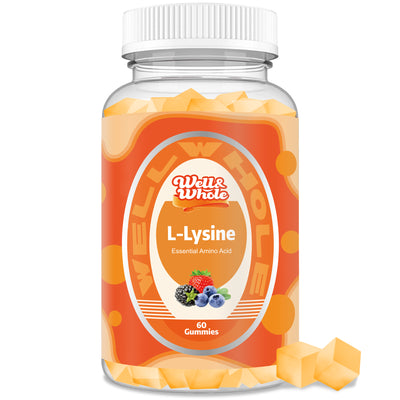
Lysine is an essential amino acid that your body cannot produce on its own, which means you must get it from food or supplements. Many people turn to lysine supplements to support immune function, cold sore prevention, or collagen production. But a common question arises: can you overdose on lysine supplement? The short answer is that true overdose is rare, but taking excessively high doses can lead to uncomfortable side effects and, in extreme cases, health risks. Understanding safe dosages and potential symptoms is key to using lysine wisely. At well&whole, we believe informed supplementation starts with clear, evidence-based guidance.
What Is a Safe Daily Dose of Lysine?
Lysine is generally considered safe, with a typical supplemental dose ranging from 500 mg to 3,000 mg per day for most adults. For specific uses, such as preventing cold sores, some studies recommend up to 3,000 mg daily in divided doses. However, the National Institutes of Health (NIH) notes that the average dietary intake of lysine from food is about 6,000 mg per day for adults, suggesting that supplementing an additional 1,000–3,000 mg is well within a safe range.
That said, safety thresholds are not officially established by regulatory bodies like the FDA because lysine is a nutrient, not a drug. A 2012 review in the Journal of the American College of Nutrition reported that doses up to 6,000 mg daily were well tolerated in most research settings. Going beyond that, especially above 10,000 mg per day, may start to cause issues. The key takeaway: moderate supplementation is safe, but more is not always better.
Lysine supplement safety hinges on respecting recommended dosages. If you are considering high doses for therapeutic reasons, consult a healthcare provider first.
Potential Side Effects and Signs of Excess Lysine
While lysine overdose is not life-threatening for most people, excessive intake can trigger gastrointestinal distress such as diarrhea, stomach cramps, and nausea. In some reported cases, people taking more than 10 grams (10,000 mg) daily experienced these symptoms. A 2017 case report in Toxicology Communications described a patient who consumed 15 grams of lysine daily for several months and developed kidney stones, likely due to the amino acid’s effect on calcium absorption.
Other possible side effects from chronic high doses include:
- Elevated blood calcium levels (hypercalcemia) in susceptible individuals
- Reduced kidney function especially in those with pre‑existing kidney disease
- Interference with other amino acid absorption when taken in extreme excess
It’s worth noting that how much lysine is too much varies by individual. Factors like body weight, kidney health, and concurrent medications play a role. If you experience persistent digestive upset or unusual fatigue after taking lysine, reduce the dose or stop entirely and discuss with a doctor.
Who Should Be Especially Careful with Lysine?
Most people can take lysine supplements without worry, but certain groups need to exercise caution.
Individuals with kidney disease should avoid high-dose lysine because the kidneys process amino acids. A study published in the Clinical Journal of the American Society of Nephrology noted that elevated levels of amino acids can stress compromised kidneys. Additionally, those with liver disease or pregnant women should only use lysine under medical supervision.
People taking aminoglycoside antibiotics (like gentamicin) might have a higher risk of nephrotoxicity when combining with very high lysine doses. And if you are on calcium‑sparing diuretics, extra lysine could theoretically raise calcium levels too much.
For the general healthy adult, side effects of lysine overdose are mild and reversible. But if you belong to any of the above categories, it’s smarter to stick to dietary sources like meat, fish, dairy, and legumes rather than high‑dose supplements. well&whole always recommends checking with your healthcare provider before starting any new supplement regimen.
How to Use Lysine Supplements Safely and Effectively
To minimize any risk of overdose, follow these practical guidelines:
- Start low and go slow. Begin with 500–1,000 mg daily, then increase if needed.
- Split doses throughout the day rather than taking a large single dose (e.g., 1,000 mg twice a day instead of 2,000 mg at once).
- Stay hydrated to help your kidneys process the amino acid.
- Avoid stacking multiple lysine‑containing products without checking total intake.
If you are using lysine for cold sores, many dermatologists recommend a short‑term course of 3,000 mg daily for 3–5 days at the first sign of a breakout, then drop to a maintenance dose. For general immune support, 1,000–2,000 mg daily is common.
At well&whole, we formulate our lysine supplements with purity and safety in mind. Each batch is third‑party tested to ensure potency and freedom from contaminants, so you know exactly what you’re getting. But remember: no supplement replaces a balanced diet. Lysine supplement safety is greatest when you treat it as a complement, not a crutch.
Frequently Asked Questions (FAQ)
Q1: Can you die from taking too much lysine?
No recorded deaths have been linked to lysine overdose in healthy individuals. Extremely high doses (over 15 grams daily) may cause severe gastrointestinal distress or kidney problems, but a fatal outcome is extremely unlikely. Always respect dosage recommendations.
Q2: What should I do if I accidentally take too much lysine?
If you experience nausea, vomiting, or severe diarrhea, stop taking the supplement and drink plenty of water. Most symptoms resolve within a few hours. If you have pre‑existing kidney or liver issues, or if symptoms persist, seek medical advice.
Q3: Is it safe to take lysine every day?
Yes, for most people. A daily maintenance dose of 1,000–3,000 mg is considered safe for long‑term use. However, periodic breaks (e.g., one week off every month) can help your body maintain balance. Always follow the label instructions and consult your doctor if you take other medications.
References:
- National Institutes of Health (NIH), Office of Dietary Supplements – Lysine Fact Sheet (2022).
- Journal of the American College of Nutrition, “Safety of Amino Acid Supplements: A Review” (2012).
- Toxicology Communications, “Renal Calculi Associated with High‑Dose Lysine Supplementation: A Case Report” (2017).
- Clinical Journal of the American Society of Nephrology, “Amino Acids and Kidney Disease” (2020).
These statements have not been evaluated by the Food and Drug Administration. This product is not intended to diagnose, treat, cure, or prevent any disease.