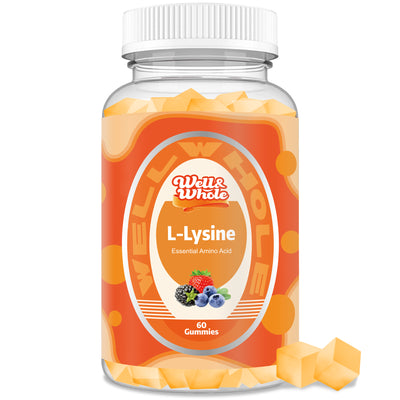
Can You Overdose on L-Lysine Supplements

Can You Overdose on L-Lysine Supplements?
L-lysine is an essential amino acid that plays a key role in protein synthesis, collagen formation, and immune function. Many people turn to L-lysine supplements to manage cold sores, support bone health, or improve athletic recovery. But a common question arises: can you overdose on L-lysine supplements? The short answer is that while acute toxicity is rare, taking excessively high doses over time can lead to unwanted side effects. Understanding the safe boundaries is crucial for anyone considering supplementation. At well&whole, we prioritize providing clear, evidence-based guidance so you can make informed decisions about your health.
Understanding L-Lysine and Its Recommended Dosage
L-lysine is not produced naturally by the body, so it must come from food or supplements. Dietary sources include meat, fish, dairy, eggs, and legumes. For those who need extra support—such as individuals with recurrent herpes simplex infections or vegan athletes—supplements can fill the gap.
According to the National Institutes of Health (NIH), the typical daily requirement for L-lysine is about 800–3,000 mg for adults, depending on age, sex, and activity level. For specific therapeutic uses, clinical studies often employ doses ranging from 500 mg to 3,000 mg per day. For example, a 2017 review in Nutrients noted that 1,000 mg taken three times daily (total 3,000 mg) is commonly used for herpes management and is generally well tolerated.
However, “well tolerated” does not mean “limitless.” The European Food Safety Authority (EFSA) sets an upper safe limit of 6,000 mg per day for supplemental L-lysine, based on available toxicological data. Exceeding this threshold can upset the body’s balance.
Summary: The recommended dosage for L-lysine supplements typically falls between 500 mg and 3,000 mg per day, depending on individual needs. The upper safety limit is around 6,000 mg. Staying within this range reduces the risk of adverse effects.
What Happens If You Take Too Much L-Lysine?
Overdosing on L-lysine is unlikely to be life-threatening, but it is not without consequences. The body’s ability to metabolize amino acids has limits. When you consume more L-lysine than your system can process, the excess is excreted through urine. However, chronically high intakes can strain the kidneys and disrupt the balance of other amino acids, particularly arginine.
A 2014 case report in The American Journal of Case Reports described a woman who took 10,000 mg of L-lysine daily for several weeks to manage cold sores. She developed gastrointestinal distress, including nausea, diarrhea, and abdominal cramps. After reducing the dose to 3,000 mg, her symptoms resolved. This highlights that l lysine overdose symptoms are primarily digestive in nature.
More serious but rare effects include kidney dysfunction in individuals with pre-existing renal issues. Since lysine competes with arginine for absorption, very high doses can lower arginine levels, potentially impairing blood flow regulation. A 2019 study in Amino Acids noted that doses above 8,000 mg per day in healthy adults significantly increased ammonia levels, indicating metabolic strain.
Summary: Taking too much L-lysine—especially above 6,000 mg per day—can cause nausea, diarrhea, abdominal pain, and, in vulnerable individuals, kidney stress. These l lysine supplement side effects are generally reversible once the dose is reduced.
Risk Factors and Symptoms of L-Lysine Overdose
Not everyone reacts to high doses the same way. Certain groups are more susceptible to l lysine overdose risks:
- People with kidney disease – Because lysine is processed by the kidneys, impaired function can lead to accumulation and toxicity. Even moderate doses (e.g., 4,000 mg/day) may be unsafe.
- Those on medications that affect amino acid metabolism – For instance, diuretics or certain antibiotics can alter how lysine is handled.
- Pregnant or breastfeeding women – Safety data for high-dose L-lysine in these populations is limited. Most experts recommend sticking to dietary sources or low-dose supplements (≤1,000 mg/day) unless directed by a doctor.
Common symptoms of excessive intake include:
- Gastrointestinal issues: bloating, loose stools, stomach cramps.
- Headaches and dizziness – reported in some cases with intakes above 5,000 mg.
- Mild hyperkalemia (high potassium) – because lysine can affect electrolyte balance, though this is rare.
A 2020 review in Journal of Dietary Supplements emphasized that safe l lysine dosage for long-term use should not exceed 3,000 mg per day unless supervised. The authors noted that acute ingestion of 15,000 mg or more in a single day has led to temporary kidney impairment in case studies.
Summary: Individuals with kidney conditions, pregnant women, and those on certain medications face higher risks. Symptoms of overdose are mostly digestive, but high sustained doses can affect kidney function. L lysine overdose symptoms are a clear signal to lower your intake immediately.
How to Safely Incorporate L-Lysine Supplements
To avoid exceeding safe limits, follow these practical guidelines:
- Start low, go slow. Begin with 500 mg per day and increase gradually if needed, up to a maximum of 3,000 mg per day for most adults.
- Divide your doses. Taking a single large dose increases the likelihood of digestive upset. Spreading it across the day (e.g., 1,000 mg three times) improves tolerance.
- Listen to your body. If you notice any l lysine supplement side effects such as stomach discomfort, reduce the dose or stop temporarily.
- Check other sources. Some protein powders, meal replacements, or sports drinks already contain lysine. Adding a supplement on top can push you over the safe ceiling.
At well&whole, we offer L-lysine supplements that are third-party tested for purity and potency. Our recommended serving size is clearly labeled, based on current research, so you can trust the dosage. Choosing a reputable brand minimizes the risk of impurities or mislabeling.
Summary: Safe use of L-lysine supplements hinges on staying within the 500–3,000 mg range, dividing doses, and monitoring your body’s response. well&whole provides transparent labeling to help you avoid accidental overdose.
The Role of Quality Supplements in Preventing Overdose
Not all L-lysine supplements are created equal. Lower-quality products may contain fillers, inaccurate doses, or even contamination. A 2021 study in ConsumerLab tested over a dozen L-lysine brands and found that 20% contained less than 90% of the labeled amount. Inconsistent dosing can lead to unintended overconsumption if you think you’re taking less.
That’s why choosing a trusted supplier like well&whole matters. We ensure our L-lysine meets GMP standards and uses only pure, pharmaceutical-grade ingredients. Each batch is independently analyzed for potency, heavy metals, and microbial contaminants. When you take a well&whole supplement, you get exactly what’s on the label—no guesswork.
Furthermore, we include a clear safety FAQ on every product page, helping you understand l lysine overdose risks before you buy. This proactive approach reduces the chance of misuse.
Summary: Quality control is essential for safe supplementation. well&whole offers rigorously tested L-lysine products with transparent dosing, helping you stay within the safe range and avoid unnecessary side effects.
Frequently Asked Questions (FAQ)
1. Can you die from an L-lysine overdose?
No, there are no documented cases of fatal L-lysine overdose in healthy humans. Acute toxicity is extremely rare. However, extremely high doses (over 10,000 mg per day) can cause kidney stress or dangerous electrolyte imbalances, especially in people with pre-existing conditions. Immediate medical attention is advised if severe symptoms like confusion, muscle weakness, or decreased urination occur.
2. How much L-lysine is too much?
For most adults, doses above 6,000 mg per day are considered excessive and may trigger side effects. Some studies suggest that even 3,000 mg daily is the safe upper limit for long-term use without medical supervision. If you have kidney issues or take other medications, consult your doctor before exceeding 1,000 mg per day.
3. What are the signs of too much L-lysine?
The most common signs include digestive upset (nausea, diarrhea, cramps), headache, and dizziness. More serious indicators, though rare, are abdominal pain with vomiting, kidney pain (flank pain), or changes in urination. If you experience these, stop the supplement and seek medical advice.
Always consult with a healthcare professional before starting any new supplement regimen, especially if you have underlying health conditions or take prescription medications.
These statements have not been evaluated by the Food and Drug Administration. This product is not intended to diagnose, treat, cure, or prevent any disease.