Can the Body Make Essential Amino Acids Explained
Can the body make essential amino acids Learn which 9 it cant how they fuel muscle mood and health and the best foods to get them

Ever wonder what actually happens to the food you eat after a workout, or why fitness coaches obsess over protein? It all comes down to the building blocks of protein: amino acids. I often get asked by people looking to optimize their health: can the body make essential amino acids? The short answer is no, we cannot. But to truly understand how our bodies function, we need to break down how these compounds work.
We can look at the 20 amino acids our bodies need as falling into three distinct categories.
The 3 Categories of Amino Acids
| Category | Total Number | Can the Body Make It? | Primary Source |
|---|---|---|---|
| Essential | 9 | No | Dietary protein intake |
| Nonessential | 11 | Yes | Human biosynthesis pathways |
| Conditionally Essential | Varies | Under specific conditions | Diet and internal synthesis |
The Essential 9
When people ask, "Can the body make essential amino acids?" they are usually looking at this specific list. We lack the internal machinery to create these nine compounds. If we don't eat them, we don't get them:
- Histidine: Crucial for immune response and digestion.
- Isoleucine, Leucine, and Valine: The famous branched-chain amino acids (BCAAs) critical for muscle growth.
- Lysine: Essential for hormone production and bone health.
- Methionine: Supports metabolism and tissue detoxification.
- Phenylalanine: Precursor for brain chemicals like dopamine.
- Threonine: Supports structural proteins like collagen and elastin.
- Tryptophan: The foundation for serotonin, regulating sleep and mood.
The Nonessential 11
Unlike the essential group, we do not need to worry about consuming these daily. Our bodies use human biosynthesis pathways to manufacture them internally from other vitamins and amino acids. This group includes Alanine, Arginine, Asparagine, Aspartic Acid, Cysteine, Glutamic Acid, Glutamine, Glycine, Proline, Serine, and Tyrosine.
The Conditionally Essential Pivot
The line between categories can blur. Under normal circumstances, compounds like Arginine and Glutamine are nonessential. However, during periods of extreme physical stress, illness, or intense trauma, our internal production cannot keep up with demand. In these moments, they pivot to become conditionally essential amino acids, making external supplementation or targeted dietary choices absolutely necessary to fuel recovery.
Why Can’t Our Bodies Make Essential Amino Acids?
It seems like a design flaw at first glance: why can't the human body synthesize the very compounds it needs to survive? The answer comes down to a brilliant evolutionary shortcut. Building these complex structures from scratch requires a massive network of human biosynthesis pathways, dozens of specialized enzymes, and a staggering amount of cellular energy.
By phasing out these internal manufacturing lines, our ancestors unlocked a massive energy efficiency advantage. Instead of wasting precious metabolic resources creating these molecules internally, the body evolved to rely entirely on regular dietary protein intake.
[Dietary Protein] ➔ [Efficient Digestion] ➔ [Immediate Essential Nutrient Absorption]
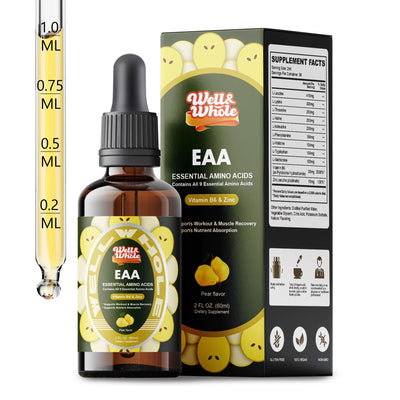
This evolutionary shift created a metabolic trade-off. We freed up cellular energy for higher-level functions—like brain development and physical stamina—but it left us with a strict biological mandate. Because our bodies cannot adapt to make them on demand, we must consistently ingest them. To bridge this gap efficiently without heavy meals, many people use targeted formulas like an essential amino acid (EAA) liquid to ensure the bloodstream receives a steady, rapid supply of these vital nutrients.
What Do Essential Amino Acids Actually Do?

Essential amino acids are the hard workers behind your body's daily upkeep. Since the body cannot make essential amino acids on its own, getting them from your diet is non-negotiable. Once absorbed, they drive everything from muscle building to mood regulation.
Muscle Protein Synthesis, Recovery, and Repair
When it comes to hitting fitness goals or just staying strong, branched-chain amino acids (BCAAs)—Leucine, Isoleucine, and Valine—are the heavy lifters.
- Leucine acts as the direct trigger for muscle protein synthesis, telling your body to start building muscle tissue.
- Isoleucine jams energy into muscle cells during tough tasks.
- Valine prevents muscle breakdown and keeps your stamina up. Together, they speed up muscle recovery and repair, cutting down on soreness after a grueling workout.
Neurotransmitter and Hormone Regulation
Your mental clarity, sleep cycle, and mood rely heavily on Tryptophan and Phenylalanine.
- Tryptophan is the sole precursor to serotonin (the "feel-good" chemical) and melatonin, which regulates your sleep.
- Phenylalanine converts into tyrosine, dopamine, and norepinephrine, sharping your focus and keeping your nervous system firing on all cylinders.
Immune Strength and Tissue Repair
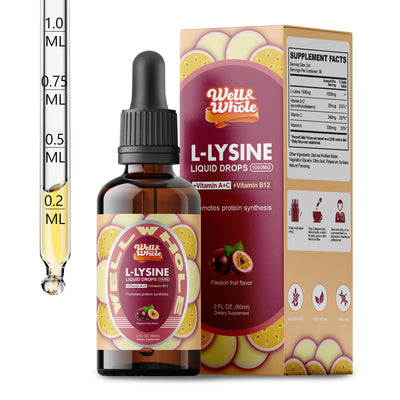
A strong immune system and healthy skin depend on Threonine and Lysine. Threonine is a structural component of collagen and elastin, keeping your connective tissues strong. Meanwhile, Lysine plays a massive role in bone health, antibody production, and skin integrity. To stay on top of your daily wellness defense, adding a high-quality L-Lysine supplement to your routine ensures your body always has the raw materials it needs for tissue regeneration and immune support.
Filling the Amino Acid Gap: Complete vs. Incomplete Proteins
Meeting your daily protein requirements means understanding protein quality. This is measured by how efficiently a protein source provides the essential amino acids your body cannot produce on its own. When you consume high-quality proteins, your body maintains a positive nitrogen balance, meaning it has a steady supply of cellular building blocks to maintain, repair, and grow muscle tissue.
If your diet lacks these essential building blocks, your body enters a negative nitrogen balance, pulling amino acids from your muscles to fuel vital organs.
Animal-Based Powerhouses: Complete Protein Sources
Animal proteins are considered complete protein sources because they naturally contain all nine essential amino acids in the exact ratios your body needs. These foods offer maximum bioavailability, meaning your digestive system easily absorbs and utilizes the nutrients.
- Whole Eggs and Dairy: The gold standard for bioavailable protein and essential nutrient absorption.
- Poultry and Wild-Caught Fish: Excellent sources for lean muscle recovery and repair.
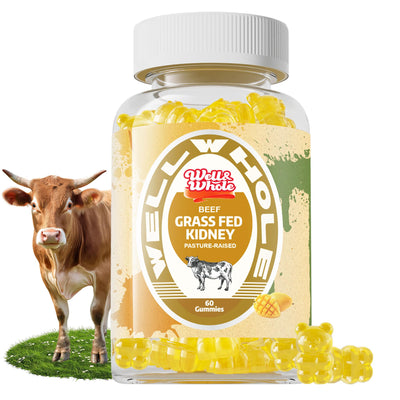
- Organ Meats: Highly concentrated options that deliver amino acids alongside vital micronutrients. For a clean, convenient way to pack these bioavailable nutrients into your routine, our grass-fed beef kidney gummies provide a whole-food source of proteins and enzymes to support daily vitality.
The Plant-Based Playbook: Standalone Completes vs. Protein Pairing
Most plant foods are incomplete proteins, meaning they are low in one or more essential amino acids. However, you can easily navigate this by utilizing two distinct strategies:
| Strategy | How It Works | Best Examples |
|---|---|---|
| Standalone Plant Completes | Plant foods that naturally contain all nine essential amino acids on their own. | Quinoa, chia seeds, hemp seeds, and soy (tofu/tempeh). |
| Plant-Based Protein Pairing | Combining two incomplete proteins with complementary amino acid profiles to create a complete protein. | Rice and beans, peanut butter on whole-wheat bread, or hummus with pita. |
You do not need to hit every single amino acid at every meal. Consuming a variety of these sources throughout the day ensures your body maintains the necessary pool of nutrients for optimal health.
Signs of an Amino Acid Gap
When your body runs low on the building blocks of protein, it doesn't keep it a secret. Because we cannot answer yes to the question can the body make essential amino acids, a shortage in your dietary protein intake quickly shows up in your physical health.
Physical Manifestations of Amino Acid Deficiency
An amino acid deficiency compromises your body's ability to maintain structural integrity. Without a steady supply of these vital nutrients, everyday recovery grinds to a halt.
- Brittle Hair and Nails: Keratin production plummets, leading to frequent breakage.
- Skin Issues: Slow wound healing and premature loss of skin elasticity.
- Joint and Bone Weakness: Decreased collagen synthesis affects overall structural support.
Systemic Red Flags: Muscle Wasting, Fatigue, and Low Immunity
When daily intake falls short, the body enters a catabolic state, breaking down its own tissues to survive. This triggers severe systemic warning signs:
- Muscle Wasting: To preserve vital organs, the body cannibalizes skeletal muscle, stalling muscle protein synthesis and destroying your hard-earned gains.
- Chronic Fatigue: A lack of cellular repair and reduced neurotransmitter production leaves you feeling constantly drained, regardless of how much you sleep.
- Low Immunity: Immune cells rely heavily on proteins. A gap here leaves you highly susceptible to frequent infections and seasonal bugs.
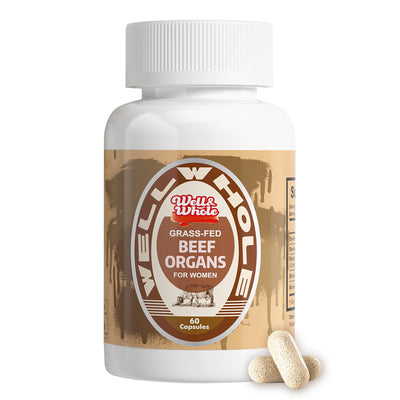
To naturally fortify your body against these systemic deficiencies, incorporating nutrient-dense whole foods or a high-quality grassfed beef organ supplement can help deliver the vital micronutrients and cofactors needed to support optimal protein metabolism and cellular repair.
Frequently Asked Questions
Can the body make essential amino acids?
No, the human body cannot synthesize essential amino acids on its own. While our bodies have internal human biosynthesis pathways to create nonessential amino acids, they lack the necessary enzymes to build the 9 essential ones. Because of this metabolic limitation, these vital compounds must come directly from your daily dietary protein intake. To easily fill these nutritional gaps, incorporating clean, nutrient-dense options like a grass-fed beef liver supplement can provide an excellent, bioavailable source of these critical micronutrients and proteins.
What are the building blocks of protein?
Amino acids are the fundamental building blocks of protein. When you consume protein, your digestive system breaks it down into individual amino acids, which are then absorbed and reassembled throughout the body. These molecules are absolutely critical for driving muscle protein synthesis, supporting muscle recovery and repair, and regulating hormones and neurotransmitters.
What are the daily protein requirements for a healthy adult?
For a sedentary healthy adult, the baseline daily protein requirements start at 0.8 grams per kilogram of body weight (about 0.36 grams per pound). However, if you are active, lifting weights, or recovering from injury, your needs will increase significantly.
- Sedentary Adults: ~0.8g per kg of body weight
- Active Individuals: 1.2 to 2.0g per kg of body weight
- Primary Goal: Meeting these targets ensures a positive nitrogen balance, preventing amino acid deficiency and protecting against muscle wasting.
Related supplements
Where to begin? Our EAA Gummie 60 counts Essential Amino Acids Supplement Gummies for Men and Women and Essential Amino Acid (EAA) Liquid Drops & Liver Support Liquid Supplement are a sensible place to start, and the Amino Acids collection lays out the other formats side by side with Muscle Support.
These statements have not been evaluated by the Food and Drug Administration. This product is not intended to diagnose, treat, cure, or prevent any disease.