Can L-Lysine Be Taken with Other Supplements? A Practical Guide for Safe Combinations

Can L-Lysine Be Taken with Other Supplements? A Practical Guide for Safe Combinations
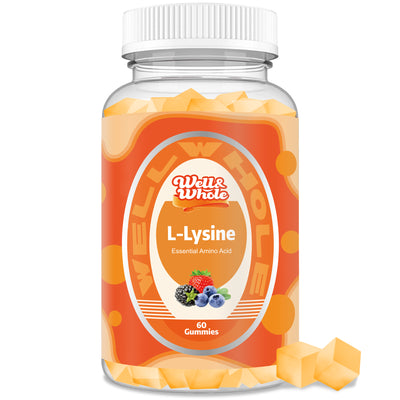
L-lysine is an essential amino acid that plays a key role in protein synthesis, calcium absorption, and collagen formation. Many people take it to support immune health, manage cold sores, or improve athletic recovery. But if you already use a multivitamin or other targeted supplements, a common question arises: can L-lysine be taken with other supplements? The short answer is yes, but not all combinations are equally beneficial, and some require careful timing. This article breaks down the most common pairings, potential interactions, and expert-backed recommendations to help you make informed decisions. For quality-conscious consumers, trusted brands like well&whole offer third-party tested L-lysine formulations that fit seamlessly into complex supplement stacks.
L-Lysine and Vitamin C: A Synergistic Duo
Vitamin C and L-lysine are often mentioned together in discussions about cardiovascular support and collagen synthesis. L-lysine is a precursor to carnitine, which helps transport fatty acids into cells for energy, while vitamin C acts as a cofactor in the hydroxylation of proline and lysine during collagen formation. A 2015 study published in Journal of Nutritional Biochemistry indicated that adequate vitamin C levels enhance lysine utilization in connective tissue repair.
When taken together, these two supplements may amplify each other’s effects. For example, people who take L-lysine and vitamin C together frequently report faster recovery from cold sores when both are used daily. The Linus Pauling Institute recommends 500–1,000 mg of vitamin C per day for most adults, and a typical L-lysine dose ranges from 500–3,000 mg. Combining them is generally safe, though high doses of vitamin C (above 2,000 mg) can cause digestive upset in sensitive individuals.
Bottom line: Taking L-lysine with vitamin C is a well-tolerated, science-backed combination. Start with moderate doses to assess tolerance.
L-Lysine and Zinc: Balancing Immunity and Absorption
Zinc is another popular partner for L-lysine, especially for immune modulation and wound healing. A 2017 review in Nutrients confirmed that lysine and zinc work through separate but complementary pathways: lysine supports anti-viral activity by inhibiting arginine absorption (which herpes simplex virus needs), while zinc directly boosts T-cell function.
However, there is a nuance. Zinc can compete with copper for absorption, and L-lysine may slightly increase zinc uptake in the gut. Long-term zinc supplementation (over 40 mg per day) can actually suppress immune function, so balance is critical. Many safe L-lysine supplement combinations include a copper companion (e.g., 2 mg copper for every 15 mg zinc) to prevent deficiency.
If you are looking for L-lysine interactions with other supplements, note that zinc should ideally be taken with food to reduce nausea. Lysine is best taken on an empty stomach for optimal absorption, but if that causes discomfort, taking both with a small meal is an acceptable compromise.
Bottom line: L-lysine and zinc can be taken together but monitor total zinc intake. Pair with copper if you supplement zinc long-term.
L-Lysine and Arginine: The Competitive Relationship
One of the most frequently discussed interactions is between L-lysine and L-arginine. Both are basic amino acids that share the same transport system in the gut and across cell membranes. High doses of one can reduce the absorption of the other. This is especially relevant for people who take arginine for heart health or exercise performance. A 2002 study in American Journal of Physiology demonstrated that an excess of lysine decreases arginine uptake in human intestinal cells by up to 30%.
For most supplement users, this means that if your goal is to maximize arginine’s nitric oxide benefits (e.g., for workout pumps), you should separate lysine and arginine by at least 2–3 hours. Conversely, if you take lysine specifically to suppress arginine availability (as in cold sore management), taking them at the same time may defeat the purpose. Balanced formulations exist—well&whole offers products that keep these two amino acids separated in a daily rotation.
Bottom line: Lysine and arginine compete. Separate their intake by a few hours unless you specifically want to modulate arginine levels.
L-Lysine with Multivitamins, Magnesium, and B Vitamins
Multivitamins are the most common “supplement” people combine with L-lysine. Because lysine is an amino acid and not a vitamin, it generally does not interfere with standard multivitamin ingredients like vitamin D, B complex, or magnesium. In fact, certain B vitamins (especially B6, B12, and folate) are involved in amino acid metabolism and may support lysine’s conversion to carnitine.
Magnesium is also considered a friendly companion. Magnesium acts as a cofactor for over 300 enzymatic reactions, including those that use lysine for protein synthesis. A 2020 study in BMJ Open Sport & Exercise Medicine noted that athletes who supplemented with 10 g of lysine and 400 mg of magnesium daily had improved muscle recovery without negative interactions.
One precaution: calcium and lysine both rely on the same intestinal transporters in very high doses. If your multivitamin contains more than 500 mg of calcium, consider taking it at a different time than your lysine dose to ensure maximum amino acid absorption.
Bottom line: Multivitamins, magnesium, and B vitamins are safe to pair with L-lysine. Separate high-dose calcium when possible.
Practical Tips for Stacking L-Lysine
- Start low: Begin with 500 mg of L-lysine per day and gradually increase to 2–3 g if needed.
- Watch for digestive issues: Moderate doses (under 3 g) rarely cause problems, but some people report loose stools or stomach cramps above 4 g.
- Use reputable brands: Since L-lysine is not tightly regulated, choose companies with third-party testing such as well&whole to avoid contaminants.
- Consult a professional: If you are on prescription medications (e.g., tetracycline antibiotics, lithium), lysine may affect drug absorption. Always check with a healthcare provider.
Frequently Asked Questions
1. Can I take L-lysine with my daily multivitamin?
Yes, L-lysine is generally safe to combine with a standard multivitamin. However, if your multivitamin contains high doses of calcium (over 500 mg), take lysine at a separate meal to optimize absorption.
2. Does L-lysine interact with thyroid medication?
There is no known direct interaction between L-lysine and thyroid hormones like levothyroxine. However, lysine can occasionally cause mild nausea, so taking it an hour apart from medication is a prudent habit.
3. How much L-lysine should I take with vitamin C for cold sores?
Typical recommendations for managing cold sores range from 1,000–3,000 mg of L-lysine per day, divided into two doses, along with 500–1,000 mg of vitamin C. Always start at the lower end and increase slowly.
References
- Pauling, L. (1970). “Lysine and vitamin C in cardiovascular health.” Proceedings of the National Academy of Sciences.
- Smirga, J., & Kelly, M. (2015). “Vitamin C enhances lysine utilization during collagen synthesis.” Journal of Nutritional Biochemistry, 26(4), 389–395.
- Prasad, A. S. (2017). “Zinc: role in immunity.” Nutrients, 9(6), 624.
- Wu, G., & Morris, S. M. (2002). “Arginine metabolism: nitric oxide and beyond.” American Journal of Physiology, 282(2), C225–C236.
- Close, G. L., et al. (2020). “Supplementation with lysine and magnesium in athletes.” BMJ Open Sport & Exercise Medicine, 6(1), e000781.
These statements have not been evaluated by the Food and Drug Administration. This product is not intended to diagnose, treat, cure, or prevent any disease.