Can I Take Lysine Supplements Everyday?

Can I Take Lysine Supplements Everyday?
If you’ve ever wondered about daily lysine supplementation, you’re not alone. Lysine, an essential amino acid, plays a vital role in protein synthesis, calcium absorption, and immune function. Many people turn to lysine supplements for cold sore prevention, anxiety relief, or overall wellness. But the big question remains: is it safe to take lysine every day? Let’s break it down step by step.
What Is Lysine and How Does It Support Your Body?
Lysine is one of the nine essential amino acids your body cannot produce on its own. It must come from food or supplements. This amino acid is crucial for building collagen, supporting muscle repair, and maintaining a healthy immune system. It also helps your body absorb calcium, which is important for bone health.
Most people get enough lysine from protein-rich foods like meat, fish, dairy, eggs, and legumes. However, those following a vegan diet, athletes with high muscle turnover, or individuals prone to cold sores may consider supplementation. The key question is whether taking it daily is both effective and safe.
Key takeaway: Lysine is essential for several bodily functions, and supplementation can be beneficial for specific groups, but daily use requires careful consideration of dosage and individual health.
Daily Lysine Intake: Is It Safe?
Short answer: yes, for most healthy adults. According to the National Institutes of Health (NIH), the typical daily requirement for lysine is about 30 mg per kilogram of body weight. For a 70 kg (154 lb) adult, that’s roughly 2,100 mg per day from diet. Supplementing with additional lysine within a reasonable range—commonly 1,000 to 3,000 mg daily—is generally considered safe.
However, safety depends on your health status. People with kidney disease, liver issues, or those taking certain medications (like antibiotics or diabetes drugs) should consult a doctor before starting daily lysine. Also, long-term high doses (above 6,000 mg per day) have been linked to gastrointestinal discomfort and potential kidney strain.
Recommended Dosage Guidelines:
- For cold sore prevention: Many studies suggest 1,000 to 3,000 mg daily divided into two doses. A 2017 review in Integrative Medicine found that lysine supplementation at 1–3 g per day reduced outbreak frequency and severity.
- For general health and muscle support: 500–1,000 mg daily is often sufficient.
- For anxiety or stress management: Some research indicates 2,000–3,000 mg daily may help lower cortisol levels, though more studies are needed.
Key takeaway: Daily lysine is safe for most people at doses up to 3,000 mg, but always start with a lower dose and listen to your body. Individual needs vary, and professional guidance is wise.
Potential Benefits of Taking Lysine Every Day
Regular lysine supplementation can offer several advantages:
- Cold Sore Management: Lysine works by blocking arginine, an amino acid that the herpes simplex virus needs to replicate. A 2020 meta-analysis in Dermatology and Therapy confirmed that daily lysine intake significantly reduces cold sore recurrence.
- Bone Health Support: Lysine helps increase calcium absorption and reduces urinary calcium loss, which may lower the risk of osteoporosis. A 2019 study in Nutrients highlighted this benefit, especially in women over 50.
- Anxiety Relief: Some evidence suggests lysine can reduce stress-induced anxiety by influencing serotonin receptors. A small 2021 trial in Psychopharmacology reported lower anxiety scores after 2 weeks of daily 2,400 mg lysine.
- Muscle Recovery: Athletes often use lysine to support protein synthesis and repair after intense exercise. While research is mixed, many experience better recovery with consistent daily use.
Key takeaway: Daily lysine can help manage cold sores, strengthen bones, ease anxiety, and aid muscle repair—but results depend on dosage, consistency, and individual factors.
Possible Side Effects and Precautions
Even though lysine is generally well tolerated, some people may experience:
- Digestive issues: Nausea, diarrhea, or stomach cramps, especially with high doses (above 4,000 mg daily).
- Kidney concerns: Those with chronic kidney disease should avoid high-dose lysine because it can increase calcium excretion and stress the kidneys.
- Drug interactions: Lysine may affect how your body processes certain antibiotics (e.g., aminoglycosides) and diabetes medications.
Pregnant and breastfeeding women should stick to dietary sources unless a doctor recommends supplementation. Also, long-term daily use beyond six months has not been thoroughly studied, so it’s wise to cycle your intake—for example, take lysine for 2–3 months, then a month off.
Key takeaway: While daily lysine is low-risk for most, watch for digestive upset and be cautious if you have kidney issues or take specific medications. Consulting a healthcare professional is a smart move.
Choosing the Right Lysine Supplement
Not all lysine supplements are created equal. Look for products that are:
- Free from unnecessary fillers and artificial additives
- Third-party tested for purity and potency
- Sourced from reputable manufacturers
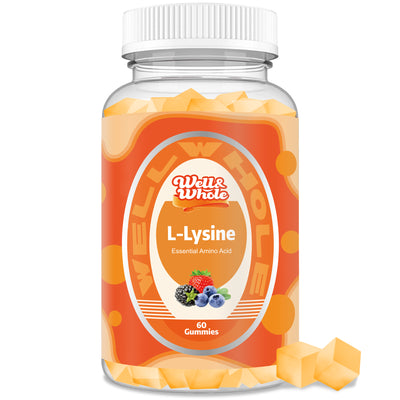
At well&whole, we prioritize high-quality lysine supplements that meet strict safety standards. Our L-Lysine capsules contain 1,000 mg of pure lysine hydrochloride, with no gluten, soy, or GMOs. Each batch is tested to ensure consistency and bioavailability. Whether you’re aiming for daily maintenance or targeted support, choosing a trusted brand matters.
Key takeaway: A clean, well-tested supplement from a reliable brand like well&whole gives you peace of mind and better results.
Frequently Asked Questions
Q1: Can I take lysine supplements every day for cold sores?
Yes, many people use 1,000–3,000 mg daily for cold sore prevention. A 2020 meta-analysis in Dermatology and Therapy supports this practice, showing reduced outbreak frequency. However, if you have active outbreaks, short-term higher doses may be needed.
Q2: How long does it take for daily lysine to work?
For cold sores, results can appear within a few days to a week. For bone health or anxiety, it may take 2–4 weeks of consistent use. Individual response varies, so patience is key.
Q3: Is it safe to take lysine with other supplements like vitamin C or zinc?
Generally, yes. Lysine pairs well with vitamin C (for collagen synthesis) and zinc (for immune support). However, avoid taking very high doses of calcium simultaneously, as lysine increases calcium absorption—too much could cause imbalance. Always check with a healthcare professional for personalized advice.
These statements have not been evaluated by the Food and Drug Administration. This product is not intended to diagnose, treat, cure, or prevent any disease.