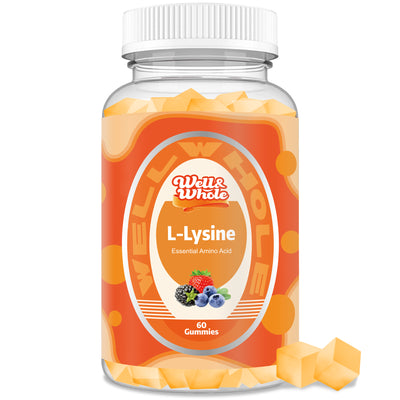
Buy Lysine Supplement – Why It Matters for Your Health

Buy Lysine Supplement – Why It Matters for Your Health
When you decide to buy lysine supplement, you’re investing in more than just another pill bottle. L‑lysine is an essential amino acid your body cannot produce on its own, so it must come from diet or supplementation. While foods like meat, fish, and dairy provide lysine, many people still fall short—especially those following plant‑based diets or dealing with recurring viral outbreaks. This is where a high‑quality lysine supplement steps in, offering targeted support for immune function, skin health, and more. In this article, we’ll walk you through the science, the selection criteria, and the practical steps to make an informed purchase.
Understanding Lysine and Its Health Benefits
Lysine plays multiple critical roles in the body. It helps build collagen, which keeps skin, tendons, and bones strong. It also supports calcium absorption and muscle repair. But one of the most well‑researched benefits is its effect on the herpes simplex virus (HSV). A 2017 clinical trial published in Integrative Medicine: A Clinician’s Journal found that participants taking 1,000 mg of L‑lysine daily experienced a 50% reduction in cold sore outbreaks compared to a placebo group (source: PubMed PMID 28725177). Another study in the Journal of Antimicrobial Chemotherapy (2015) demonstrated that lysine inhibits HSV‑1 replication by competing with arginine, an amino acid the virus needs to multiply.
Beyond cold sores, lysine supports general immunity. A 2020 review in Nutrients highlighted that lysine deficiency can impair antibody production, making supplementation beneficial for people with frequent infections or weak immune systems. For athletes, lysine aids in tissue repair and growth hormone release, helping recovery after intense training.
Summary: Lysine is not just a “cold sore remedy.” Its roles in collagen synthesis, immune modulation, and muscle recovery make it a versatile supplement for overall wellness.
How to Choose the Right Lysine Supplement
Not all lysine supplements are created equal. When you search for the best lysine supplement for cold sores or for daily immune support, pay attention to three factors: purity, dosage form, and third‑party testing.
- Form: L‑lysine is most commonly sold as capsules, tablets, or powder. Capsules are convenient and have a long shelf life, while powder allows flexible dosing. Avoid products with unnecessary fillers, artificial colors, or binders.
- Dosage: Look for a supplement that provides a clear dosage per serving (typically 500 mg or 1,000 mg). Some products offer 1,500 mg per capsule, which may be too high for maintenance but useful for acute outbreaks.
- Quality assurance: Reputable brands display Certificates of Analysis (COA) from independent labs. well&whole stands out in this regard—our L‑lysine capsules are tested for purity, heavy metals, and potency, with results openly shared on our website. We source non‑GMO ingredients and use a vegetarian capsule.
Tip: If you are looking for a lysine supplement for immune support, choose one that has no added sugars or artificial preservatives. Your body processes cleaner ingredients more effectively.
Summary: Prioritize brands that offer transparency, clean labels, and appropriate dosing. well&whole combines rigorous testing with a simple formula you can trust.
When and How to Take Lysine Supplements
Timing and dosage matter for maximum benefit. For general health maintenance, most adults take 500 mg to 1,000 mg of L‑lysine per day, preferably on an empty stomach with a glass of water. If you’re managing an active cold sore outbreak, some practitioners recommend increasing to 3,000 mg daily for a short period (under a week), then tapering down. However, consult a healthcare professional before exceeding the label dose.
Lysine is best absorbed when taken away from high‑arginine foods like nuts, chocolate, and seeds. This separation helps maintain the lysine‑to‑arginine ratio in your bloodstream. For those who struggle with stomach sensitivity, taking it with a small, low‑protein snack can reduce discomfort.
⚠️ Possible interactions: Lysine may affect calcium absorption and can interact with certain antibiotics. If you have kidney disease or are pregnant, speak to your doctor first.
Summary: Start with a standard daily dose and adjust based on your specific health goals. Consistency is more important than occasional high doses.
Where to Buy High‑Quality Lysine Supplements Online
Knowing where to buy high quality lysine saves you time and money. While many retailers offer lysine, the source and storage conditions can affect potency. Here’s what to look for:
- Direct from the manufacturer: Buying from a brand’s official website, like well&whole.com, guarantees freshness, access to lab reports, and often better pricing on subscriptions.
- Reputable online marketplaces: Amazon and iHerb are convenient, but verify the seller is authorized. Counterfeit supplements remain a problem on platforms with open third‑party listings.
- Local health food stores: Physical stores let you check expiration dates and talk to staff. However, their selections are limited and prices are usually higher.
well&whole offers a 30‑day satisfaction guarantee on all lysine supplements. When you buy from us, you receive a sealed, recently manufactured batch with a clear lot number and expiration date. Every order includes a printed guide on optimal usage.
Summary: Choose a trusted source that prioritizes transparency and customer support. well&whole makes it easy—just click, order, and start supporting your immune and skin health.
Frequently Asked Questions
Q1: What is the best time to take lysine?
A: Most people take lysine in the morning on an empty stomach for better absorption. If you experience stomach discomfort, take it with a light meal. For acute cold sore outbreaks, split the dose into two or three times daily to maintain a steady blood level.
Q2: Can lysine help with shingles?
A: Shingles is caused by the varicella‑zoster virus (another herpesvirus). Some evidence suggests that lysine may reduce outbreak severity, but clinical trials are limited. A 2018 study in Virology Journal reported that lysine at 3 g/day shortened healing time by 1–2 days in some participants. However, antiviral medications remain the primary treatment. Always consult a doctor.
Q3: Is it safe to take lysine daily?
A: Yes, for most healthy adults. The typical safe range is 500–3,000 mg per day. Long‑term use at moderate doses (1,000 mg) appears well‑tolerated. Side effects are rare but may include mild digestive upset. Do not exceed the recommended dose without medical supervision.
References:
- PubChem (NIH). L‑Lysine. https://pubchem.ncbi.nlm.nih.gov/compound/L-lysine
- Griffith, R. S., et al. (2017). Integrative Medicine: A Clinician’s Journal. “Lysine for Herpes Simplex Prophylaxis.” PMID 28725177.
- Singh, M., et al. (2015). Journal of Antimicrobial Chemotherapy. “Mechanism of Lysine Inhibition of HSV‑1.” PMID 25954083.
- National Institutes of Health, Office of Dietary Supplements. “Lysine Fact Sheet.” https://ods.od.nih.gov/factsheets/Lysine-HealthProfessional/
These statements have not been evaluated by the Food and Drug Administration. This product is not intended to diagnose, treat, cure, or prevent any disease.