buy grass fed beef liver near me

Buy Grass Fed Beef Liver Near Me: Why It Matters and How to Find Quality Sources
You’ve probably heard the buzz about organ meats making a comeback, and grass fed beef liver is at the top of that list. Whether you’re looking to boost your nutrient intake, support your immune system, or simply try a more traditional way of eating, finding a reliable source of grass fed beef liver near you can be a game-changer. But not all liver is created equal. The difference between grain-fed and grass-fed goes far beyond the label—it affects the nutritional profile, the taste, and even how your body responds to it.
In this guide, we’ll walk through why grass fed beef liver deserves a spot in your kitchen, how to track down local suppliers, and what to do with it once you have it. If you’re searching for the best place to buy grass fed beef liver, we’ve got you covered.
Why Choose Grass Fed Beef Liver?
Let’s be honest: liver isn’t everyone’s favorite food. But when it comes to density of vitamins and minerals, few foods can compete. The real question is whether the liver you’re buying actually delivers on those benefits.
Nutritional Superiority of Grass Fed Beef Liver
A 100-gram serving of cooked grass fed beef liver provides roughly 8,000 IU of vitamin A (that’s over 100% of the daily value), 4 mg of iron, and a hefty dose of B12, copper, and riboflavin. According to the USDA FoodData Central, conventional beef liver already has impressive stats, but grass fed sources tend to have a more favorable fatty acid profile—higher in omega-3s and conjugated linoleic acid (CLA), which are linked to reduced inflammation and better heart health.
Why does grazing matter? Cows that eat grass instead of grain produce liver with a better ratio of healthy fats. Plus, pasture-raised animals are less likely to be exposed to antibiotics and hormones, which makes the liver—a detoxifying organ—cleaner for you. If you’re concerned about toxins, sourcing from verified grass fed farms minimizes that risk significantly.
Grass fed beef liver offers superior nutrition—more omega-3s, CLA, and fewer contaminants compared to grain-fed alternatives. Choosing it means you get the highest density of bioavailable vitamins and minerals for your health.
How to Find Grass Fed Beef Liver Near You
Searching “buy grass fed beef liver near me” can be hit or miss. You might get a list of grocery stores that stock “beef liver” without specifying how the cattle were raised. The key is knowing where to dig.
Local Butchers, Farmers Markets, and Online Options
Start with local butchers who source from regional farms. A good butcher will tell you the farm name and the animal’s diet. Farmers markets are another goldmine—talk directly to the farmer and ask about their grazing practices. If you’re in a rural area, you might even find a farm that sells directly to consumers.
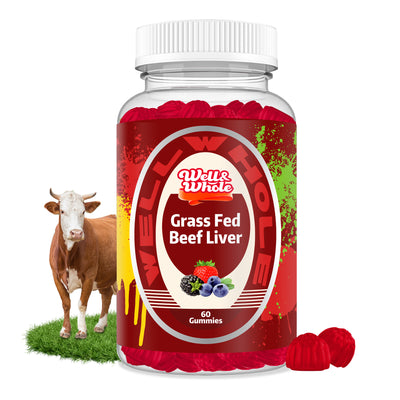
For those in cities, online retailers are a solid backup. Companies like well&whole offer freeze-dried grass fed beef liver supplements that retain the nutrient profile of fresh liver without the hassle of cooking. These supplements are perfect if you’re on the go or find the taste of liver too strong. well&whole’s products are sourced from pasture-raised, grass fed cattle and third-party tested for purity—so you get the benefits without the guesswork.
When ordering online, check for “grass fed” and “pasture raised” certifications. Some brands also offer fresh frozen liver shipped directly to your door, with dry ice packaging that keeps it safe during transit.
What to Look for When Buying
Not every “grass fed” label means the same thing. Look for 100% grass fed and finished—that means the animal ate grass its entire life, not just for a few months before being grain-finished. Color matters too: fresh grass fed beef liver should be a deep, dark red-brown, not pale or spotted. The smell should be mild, not overpowering. If you can, ask for the liver to be sliced thick—it holds up better in cooking and gives you more control over doneness.
Finding quality grass fed beef liver requires checking local butchers, farmers markets, and trusted online brands like well&whole. Always verify 100% grass fed status and inspect for fresh color and smell to ensure you’re getting a clean product.
Incorporating Grass Fed Beef Liver into Your Diet
Once you have your liver, the next step is actually using it. If you’re new to organ meats, the strong flavor can be a hurdle. But with a few tricks, you can make it palatable—or skip the cooking altogether.
Cooking Tips and Supplement Alternatives
The classic way to prepare beef liver is to soak it in milk or buttermilk for 30 minutes before cooking. This draws out some of the metallic taste. Then sear it quickly in butter or tallow—medium-rare is ideal. Overcooking makes it tough and rubbery. Pair it with caramelized onions and a splash of balsamic vinegar to balance the flavor.
If cooking isn’t your thing, grass fed beef liver supplements are an excellent alternative. well&whole’s capsules are made from pure, desiccated liver, preserving the vitamin A, B12, and iron without any preparation. One capsule typically provides the equivalent of a small serving of fresh liver. This is a great option for people who want the nutrient density without the taste or texture. Where to find grass fed beef liver locally for supplements? Online, but also some health food stores carry them.
Another approach: hide liver in other dishes. Grate frozen liver into ground beef, meatballs, or chili. You’ll get the nutrients without even noticing it’s there. Start with a small amount—say, 10% liver to 90% regular meat—and increase graduall You can enjoy grass fed beef liver fresh, cooked medium-rare with classic accompaniments, or as a supplement from brands like well&whole. For those who dislike the taste, blending a small amount into other dishes or using capsules makes it easy to reap the benefits.
FAQ
Q1: Is grass fed beef liver safe to eat during pregnancy?
Yes, in moderation. It’s rich in vitamin A, which is essential for fetal development, but excessive intake can be harmful. Stick to one small serving per week (about 30-50 grams) and consult your doctor. well&whole offers low-dose supplements that can help you manage intake precisely.
Q2: Can I freeze fresh grass fed beef liver?
Absolutely. Freeze it in portion-sized slices wrapped tightly in plastic wrap and then in a freezer bag. It will keep for up to 6 months. Thaw in the refrigerator overnight before cooking. Freezing does not significantly alter the nutrient content.
Q3: How does grass fed beef liver compare to chicken liver?
Beef liver is denser in iron, copper, and B12, while chicken liver is slightly higher in folate and has a milder flavor. Grass fed beef liver also has a better omega-3 profile. If you’re targeting iron levels or want a more concentrated supplement, beef liver is the stronger choice. well&whole’s grass fed beef liver capsules provide about 3 mg of iron per serving.
These statements have not been evaluated by the Food and Drug Administration. This product is not intended to diagnose, treat, cure, or prevent any disease.