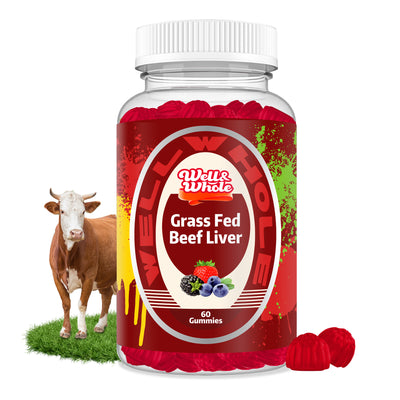
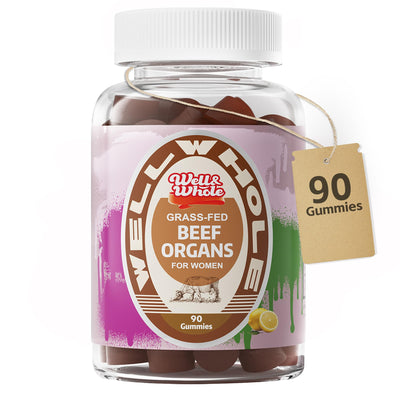
buy grass fed beef liver

Buy Grass Fed Beef Liver: The Smart Choice for Optimal Nutrition
If you’ve been exploring nutrient-dense superfoods, you’ve likely come across the phrase “buy grass fed beef liver.” But what makes this particular organ meat stand out from conventional liver? And why are health-conscious consumers, including those at well&whole, turning to it as a staple in their wellness routines? This guide covers everything you need to know—from nutritional superiority to sourcing tips—so you can make an informed purchase.
Why Grass Fed Beef Liver Beats Conventional Liver
Not all beef liver is created equal. The difference lies in what the animal ate. Grass fed beef liver comes from cattle that spent their lives grazing on pasture, consuming a natural diet of grass and forage. In contrast, conventionally raised cattle are often fed grain, soy, and corn—ingredients that alter the fatty acid profile and nutrient density of the liver.
Research published by the Journal of Animal Science shows that grass fed beef contains higher levels of omega-3 fatty acids, conjugated linoleic acid (CLA), and beta-carotene compared to grain-fed beef. The liver, being the nutrient storage organ, amplifies these differences. For example, a 100-gram serving of grass fed beef liver provides approximately 6,000–8,000 mcg of vitamin A (retinol) — more than 800% of the daily recommended intake, according to USDA FoodData Central. It also delivers highly absorbable iron, B12, copper, zinc, and folate.
Why does this matter for you? If you’re buying beef liver for its health benefits—such as supporting energy levels, immune function, and detoxification—choosing grass fed ensures you’re getting a cleaner, more bioavailable product without the residues of antibiotics or growth hormones commonly found in feedlot operations.
In short: Grass fed beef liver is nutritionally denser and free from industrial farming contaminants. For maximum value, prioritize labels that say “100% grass fed” or “pasture-raised.”
Key Health Benefits of Adding Grass Fed Beef Liver to Your Diet
Incorporating grass fed beef liver into your routine can yield impressive results, especially if you’re looking for natural sources of vitamins and minerals. Here are the top benefits backed by science:
1. A Powerhouse of Vitamin A
Vitamin A is critical for vision, immune function, and skin health. Beef liver is one of the richest dietary sources of preformed vitamin A (retinol) — more than carrots or sweet potatoes, which provide beta-carotene that must be converted. A single serving of grass fed liver can cover your weekly needs. Note: Because of its potency, moderation is key—no more than one serving (about 100g) per week for most adults.
2. Iron for Energy and Blood Health
Anemia is common, especially among women and athletes. Heme iron from animal sources like liver is absorbed far better than non-heme iron from plants. The USDA reports that 100g of beef liver contains 4–5 mg of iron, which can help combat fatigue and improve oxygen transport.
3. B Vitamins for Stress and Metabolism
Beef liver is exceptionally rich in vitamin B12 (needed for nerve function and red blood cell formation) and folate (critical during pregnancy). It also provides B2 (riboflavin) and B3 (niacin). A study in Nutrients (2020) highlighted that organ meats like liver can significantly improve B12 status in deficient populations.
4. Copper and Zinc for Immunity
Copper works with iron to form red blood cells, while zinc supports immune defense and wound healing. Grass fed liver provides both in balanced ratios, making it a natural multivitamin.
“When you buy grass fed beef liver from a trusted brand like well&whole, you’re getting these nutrients in their most natural, synergistic form,” says our nutrition team.
Summary: Grass fed beef liver supports vision, energy, immunity, and overall vitality—without synthetic fortification.
How to Buy Grass Fed Beef Liver: Quality Checkpoints
Now that you’re convinced of the benefits, the next step is knowing where and how to buy. The market is flooded with products labeled “grass fed,” but not all are equal. Follow these criteria to ensure you’re getting the real deal.
Look for Verified “100% Grass Fed” Labels
Terms like “grass fed” alone can be misleading. In the US, the USDA’s “grass fed” standard allows some grain supplementation. Look for certification from American Grassfed Association (AGA) or Animal Welfare Approved—these guarantee the animal never received grain, was raised on pasture, and had access to sunshine and fresh air.
Choose Freeze-Dried or Desiccated Forms for Convenience
If you dislike the taste or texture of fresh liver, freeze-dried grass fed beef liver capsules or powders are an excellent alternative. well&whole offers desiccated grass fed beef liver supplements that retain the full nutrient profile through low-temperature processing. This makes it easy to get your daily dose without cooking.
Consider the Source: Country of Origin
Beef liver from New Zealand or Australia is often preferred because those countries have stricter pasture-based farming standards. US grass fed options are also excellent when certified. Avoid products sourced from countries with lax antibiotic regulations.
One more tip: Check the ingredient list. The best products contain only 100% grass fed beef liver—no fillers, binders, or synthetic additives. A reputable brand will also display third-party lab testing results for purity.
Summary: To buy high-quality grass fed beef liver, verify certifications, choose trusted brands like well&whole, and opt for freeze-dried or capsule forms if taste is a concern.
Where to Buy Grass Fed Beef Liver Online and In-Store
You can purchase grass fed beef liver from several channels, but convenience and trust vary.
- Health food stores & farmers’ markets: If you prefer fresh liver, local farms are your best bet. Ask the farmer about their grazing practices.
- Online retailers: Amazon, iHerb, and specialty supplement sites offer a wide variety. However, the abundance of brands can be overwhelming.
- Direct from brand websites: Buying from companies like well&whole ensures you’re getting a product that’s been curated for quality. Many offer subscription discounts, so you never run out.
When searching online, use long-tail keywords like “buy grass fed beef liver capsules” or “grass fed beef liver powder for smoothies” to narrow results. For fresh liver, try “pasture raised beef liver near me” to find local sources.
A note on pricing: Grass fed beef liver is typically more expensive than conventional—expect to pay 20–40 per pound for fresh, or 30–60 for a bottle of 180 capsules. This price reflects the higher cost of ethical farming and superior nutrition.
Summary: Whether you buy fresh or encapsulated, prioritize brands with transparent sourcing. well&whole makes it easy with a direct-to-consumer model and a satisfaction guarantee.
Frequently Asked Questions (FAQ)
Q1: Is it safe to eat grass fed beef liver every day?
No, it’s not recommended. Beef liver is extremely high in vitamin A and copper, both of which can accumulate to toxic levels if consumed in excess. Most experts suggest eating no more than 100g (3.5 oz) per week, or taking a high-quality desiccated liver supplement following the manufacturer’s serving size. Always consult your healthcare provider before adding liver to your daily regimen, especially if you are pregnant or have liver conditions.
Q2: Can grass fed beef liver help with low energy and anemia?
Yes. The heme iron and B12 in grass fed beef liver are easily absorbed and can help correct iron-deficiency anemia and boost energy levels. Several clinical studies (e.g., American Journal of Clinical Nutrition, 2019) confirm that animal-sourced heme iron improves iron status more effectively than plant-based iron supplements. However, if you have hemochromatosis (iron overload), avoid liver.
Q3: How do I make grass fed beef liver taste good?
Many people dislike the strong flavor of fresh liver. To reduce bitterness, soak the liver in milk or lemon juice for 30 minutes before cooking. Pan-sear it with onions, garlic, and herbs. Alternatively, choose freeze-dried grass fed beef liver capsules from brands like well&whole—they offer all the nutrition without the taste, and you can swallow them or open the capsule and mix into food.
Disclaimer: This article is for informational purposes only and does not constitute medical advice. Always consult with a qualified healthcare professional before making changes to your diet or supplement regimen.
Sources:
- USDA FoodData Central (beef liver, raw)
- Journal of Animal Science (2019) “Fatty acid profiles of grass-fed vs. grain-fed beef”
- Nutrients (2020) “Organ meat consumption and B12 status”
- American Grassfed Association (certification standards)
These statements have not been evaluated by the Food and Drug Administration. This product is not intended to diagnose, treat, cure, or prevent any disease.