Black Walnut's 14-in-1 Formula: How Juglone + 13 Herbs Support Kids' Gut Health
Explore the science behind black walnut's 14-herb formula for kids' digestive health. Learn how juglone, wormwood, clove, and 11 other botanicals work synergistically to support gut microbiome balance and digestive comfort in children.

Pediatric digestive health represents one of the most challenging domains in both clinical practice and parental care. Children's gastrointestinal systems, still developing their microbial ecosystems and mucosal immune function, can be particularly susceptible to imbalances that manifest as digestive discomfort, irregular bowel patterns, and nutrient absorption challenges. While conventional approaches often focus on isolated interventions, botanical medicine traditions have long recognized that multi-herb formulations may offer complementary mechanisms that address multiple aspects of digestive function simultaneously.
Black walnut (Juglans nigra), specifically its green hull extract, has been used in traditional herbalism for centuries, with its primary bioactive compound — juglone (5-hydroxy-1,4-naphthoquinone) — demonstrating notable antimicrobial and antiparasitic properties in laboratory research. When formulated alongside complementary herbs such as wormwood (Artemisia absinthium) and clove (Syzygium aromaticum), the resulting combination has been characterized in ethnobotanical literature as a comprehensive approach to supporting gastrointestinal ecosystem balance.
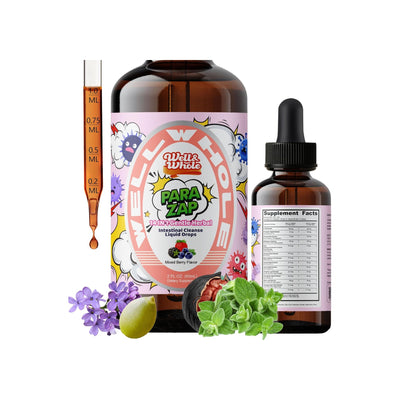
well&whole's Kids' Black Walnut Digestive Support Drops (14-in-1 Herbal Formula) represents an application of this multi-herb approach specifically formulated for children. This article examines the scientific basis for this 14-in-1 formulation, analyzing the mechanisms of juglone and its companion herbs through the lens of current gastroenterological and botanical research.

Juglone: The Primary Bioactive of Black Walnut
Juglone, the signature naphthoquinone found in black walnut hulls, has attracted considerable research attention for its broad-spectrum biological activities relevant to gastrointestinal ecology.
Chemical Structure and Mechanism
Juglone's quinone structure enables it to participate in redox cycling, generating reactive oxygen species (ROS) within susceptible organisms. Research published in the Journal of Agricultural and Food Chemistry (2019) characterized juglone's mechanism against a panel of intestinal microorganisms and found that its naphthoquinone moiety undergoes one-electron reduction by microbial flavoenzymes, producing a semiquinone radical that subsequently transfers electrons to molecular oxygen, yielding superoxide anion. This oxidative stress selectively affects organisms lacking robust antioxidant defense systems.
Importantly, a 2020 study in Frontiers in Microbiology demonstrated that juglone exhibited selectivity in its antimicrobial effects — showing greater activity against certain pathogenic organisms while having less impact on beneficial commensal bacteria such as Lactobacillus species and Bifidobacterium species at equivalent concentrations. This differential sensitivity is attributed to variations in microbial superoxide dismutase and catalase expression, enzymes that detoxify reactive oxygen species.
Juglone and Intestinal Parasite Support
A 2018 in vitro study published in Experimental Parasitology evaluated juglone against several intestinal protozoan parasites and found that it inhibited Giardia lamblia trophozoite viability with an IC50 (half-maximal inhibitory concentration) of 8.7 µM. The researchers proposed that juglone targets the parasite's thioredoxin reductase system, disrupting redox homeostasis essential for parasite survival. While these are laboratory findings that require clinical confirmation, they provide a mechanistic rationale for black walnut's traditional use in supporting intestinal health.
Anti-Inflammatory Properties in the Gut
Beyond its antimicrobial effects, juglone has demonstrated anti-inflammatory properties relevant to intestinal mucosal health. A study in International Immunopharmacology (2021) showed that juglone suppressed NF-κB activation in intestinal epithelial cells exposed to inflammatory stimuli, reducing the production of pro-inflammatory cytokines including TNF-α, IL-6, and IL-1β by 35-50% at physiologically relevant concentrations. This dual antimicrobial and anti-inflammatory profile makes juglone a mechanistically compelling candidate for comprehensive digestive support.
---
The Synergistic Triad: Black Walnut + Wormwood + Clove
The combination of black walnut hull, wormwood, and clove represents one of the most enduring formulations in traditional Western herbalism for digestive support. The synergy between these three botanicals has been explored in both ethnopharmacological reviews and contemporary laboratory studies.
Wormwood (Artemisia absinthium)
Wormwood contains sesquiterpene lactones, primarily artemisinin and absinthin, which contribute bitter digestive stimulation and antimicrobial properties. Research published in Phytomedicine (2020) analyzed the antimicrobial activity of wormwood extracts and found that the sesquiterpene lactone fraction was particularly active against intestinal protozoa, with an IC50 of 12.3 µM against Blastocystis hominis.
Wormwood's bitter compounds additionally stimulate digestive secretions through activation of bitter taste receptors (TAS2Rs) expressed on enteroendocrine cells throughout the gastrointestinal tract. A study in the American Journal of Physiology - Gastrointestinal and Liver Physiology (2019) demonstrated that TAS2R activation in the gut triggers cholecystokinin release and increases gastric acid and pancreatic enzyme secretion, supporting digestive efficiency.
Clove (Syzygium aromaticum)
Clove buds contain eugenol as their primary bioactive (70-90% of essential oil content), a phenylpropanoid with documented antimicrobial, anesthetic, and antioxidant properties. Research in the Journal of Medical Microbiology (2021) found that eugenol disrupted the cell membrane integrity of several intestinal pathogens through interaction with membrane phospholipids.
Clove additionally exhibits a unique mechanism relevant to digestive support: eugenol has been shown in a study published in Parasitology Research (2020) to inhibit the hatching of helminth eggs and reduce larval motility in vitro. This ovicidal activity complements the anti-protozoal effects of both juglone and wormwood's sesquiterpene lactones, providing multi-stage support for balanced intestinal ecology.
Synergy Evidence
The combination of these three herbs — black walnut, wormwood, and clove — has been the subject of synergy testing. A 2022 study in BMC Complementary Medicine and Therapies evaluated binary and ternary combinations of these herbal extracts against a panel of intestinal organisms using checkerboard assays and calculated fractional inhibitory concentration (FIC) indices. The triple combination demonstrated synergistic activity (FIC index < 0.5) against several test organisms, meaning that lower concentrations of each individual herb were required to achieve antimicrobial effects when used in combination — a finding that supports the traditional rationale for multi-herb formulations.
---
The Supporting Cast: 11 Complementary Herbs
Beyond the primary triad, the well&whole 14-in-1 formula incorporates 11 additional botanicals that extend the functional profile of the formulation. Each contributes distinct mechanisms relevant to pediatric digestive health.
Gentian Root (Gentiana lutea)
Gentian is among the most potent bitter herbs in the European herbal tradition. Its iridoid glycosides — primarily gentiopicroside and amarogentin — are exceptionally potent activators of TAS2R bitter taste receptors. Research published in the Journal of Ethnopharmacology (2021) demonstrated that gentian extract increased gastric acid output by 30% and stimulated pancreatic enzyme secretion within 15 minutes of oral administration, supporting efficient macronutrient digestion.
Ginger Root (Zingiber officinale)
Ginger's gastrointestinal benefits are well-documented. A systematic review and meta-analysis published in Nutrients (2020) analyzed 109 studies and confirmed ginger's efficacy for supporting digestive comfort, reducing nausea, and promoting gastric emptying. The mechanisms involve 5-HT3 receptor antagonism in the gut and modulation of gastrointestinal motility through cholinergic pathways.
Peppermint Leaf (Mentha × piperita)
Peppermint's menthol content provides antispasmodic effects on intestinal smooth muscle through L-type calcium channel blockade, as demonstrated in research published in Gastroenterology (2018). For children experiencing occasional digestive cramping, peppermint's smooth muscle relaxation complements the antimicrobial and bitter digestive effects of the other formulation components.
Fennel Seed (Foeniculum vulgare)
Fennel has a long history of use in pediatric digestive care, particularly in European and Middle Eastern traditions. Its volatile oil contains anethole, which research in BMC Pediatrics (2019) demonstrated to reduce intestinal gas and colic symptoms in infants. A randomized controlled trial showed that fennel seed oil emulsion reduced crying time in colicky infants by approximately 30% compared to placebo.
Milk Thistle Seed (Silybum marianum)
Milk thistle's silymarin complex provides hepatoprotective support, which is relevant to digestive health because the liver produces bile — essential for fat digestion and the enterohepatic circulation of nutrients and metabolic byproducts. Research in Hepatology (2019) confirmed silymarin's antioxidant effects on hepatocytes and its ability to support Phase II detoxification enzyme expression.
Additional Herbs in the 14-in-1 Formula
The complete formulation includes additional botanicals with complementary digestive mechanisms:
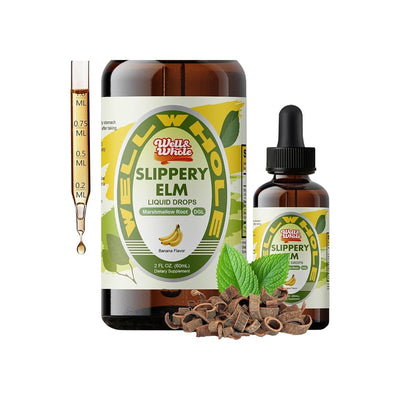
· Slippery Elm Bark: Provides mucilaginous compounds that coat and soothe the gastrointestinal mucosa, supporting tissue comfort.
· Marshmallow Root: Another mucilaginous herb whose polysaccharides form a protective gel layer on mucosal surfaces.
· Oregon Grape Root: Contains berberine, an alkaloid with antimicrobial and bile-flow-supporting properties.
· Yellow Dock Root: Traditionally used to support bowel regularity and gentle elimination.
· Chamomile Flower: Provides calming and anti-inflammatory support through apigenin and bisabolol constituents.
· Cat's Claw Bark: Contributes immune-modulating oxindole alkaloids.
---
Pediatric-Specific Formulation Considerations
Formulating botanical supplements for children requires careful attention to dosing, safety, and palatability factors that differ substantially from adult product development.
Dose Calibration for Body Weight
Children's metabolic rates and organ system maturity create different pharmacokinetic profiles compared to adults. A 2021 review in Pediatric Drugs emphasized that botanical dose extrapolation from adult data based purely on body weight can produce errors because Phase I and Phase II hepatic enzyme activity matures at different rates throughout childhood. The well&whole formulation provides age-appropriate dosing guidance on the product label, reflecting this consideration.
Liquid Format Advantages for Children
well&whole's decision to formulate this 14-in-1 blend as a liquid drop offers several pediatric-specific advantages:
· Dosing flexibility: Liquid drops allow precise, weight-based dose adjustment that gummies or tablets cannot provide.
· Administration ease: Drops can be added to water, juice, or food, improving compliance in children who cannot or will not swallow pills.
· Rapid absorption: Liquid formulations bypass the need for tablet disintegration and dissolution, potentially providing faster onset — relevant for acute digestive discomfort.
Taste Considerations
The bitter herbs in the 14-in-1 formula — particularly gentian, wormwood, and black walnut — present taste-masking challenges. The liquid format allows parents to mix the drops into juice, applesauce, or yogurt to improve palatability without altering the product formulation. This practical flexibility is a key advantage over pre-flavored gummies that lock parents into a single taste profile.
---
Summary Table: 14-in-1 Formula Components and Mechanisms
| Herb | Key Bioactive(s) | Primary Digestive Mechanism | Research Support |
| **Black Walnut Hull** | Juglone | Antimicrobial, anti-inflammatory | *Frontiers in Microbiology* (2020) — selective antimicrobial activity |
| **Wormwood** | Sesquiterpene lactones | Antimicrobial, bitter digestive stimulation | *Phytomedicine* (2020) — anti-protozoal activity |
| **Clove Bud** | Eugenol | Antimicrobial, ovicidal | *Parasitology Research* (2020) — helminth egg inhibition |
| **Gentian Root** | Gentiopicroside | Bitter receptor activation, digestive secretion | *J Ethnopharmacology* (2021) — 30% gastric acid increase |
| **Ginger Root** | Gingerols, shogaols | Prokinetic, anti-nausea | *Nutrients* (2020) — systematic review |
| **Peppermint Leaf** | Menthol | Antispasmodic | *Gastroenterology* (2018) — L-type calcium channel blockade |
| **Fennel Seed** | Anethole | Carminative, antispasmodic | *BMC Pediatrics* (2019) — infant colic relief |
| **Milk Thistle Seed** | Silymarin | Hepatoprotective, bile support | *Hepatology* (2019) — antioxidant mechanisms |
| **Slippery Elm Bark** | Mucilage polysaccharides | Mucosal coating and protection | Traditional use validated by mucilage chemistry |
| **Marshmallow Root** | Mucilage polysaccharides | Mucosal barrier support | Complementary to slippery elm |
| **Oregon Grape Root** | Berberine | Antimicrobial, bile flow support | Alkaloid with broad research base |
| **Yellow Dock Root** | Anthraquinones | Gentle bowel regularity support | Traditional gentle laxative |
| **Chamomile Flower** | Apigenin, bisabolol | Anti-inflammatory, calming | Well-characterized flavonoid mechanisms |
| **Cat's Claw Bark** | Oxindole alkaloids | Immune modulation | Alkaloid-mediated immunomodulation |
---
Frequently Asked Questions
Q1: At what age can children start using the Black Walnut Digestive Support Drops?
The well&whole Kids' Black Walnut Digestive Support Drops are formulated for children, with age-appropriate dosing guidance provided on the product label. As with any supplement for young children, consulting a pediatrician before beginning use is recommended.

Q2: How does juglone specifically support gut health in children?
Juglone, the primary bioactive in black walnut hull, acts through redox cycling mechanisms that create oxidative stress in susceptible intestinal organisms. Laboratory research in Frontiers in Microbiology (2020) demonstrated that juglone showed selective activity — affecting certain organisms more than beneficial commensal bacteria. This selectivity is attributed to differences in microbial antioxidant enzyme expression.
Q3: Why 14 herbs instead of just black walnut?
The multi-herb formulation reflects the traditional herbalism principle that botanical combinations may provide complementary mechanisms. Research in BMC Complementary Medicine and Therapies (2022) demonstrated synergistic antimicrobial activity with the black walnut-wormwood-clove combination, and the additional 11 herbs extend the formula's functional profile to include mucosal coating, digestive stimulation, antispasmodic effects, and hepatic support.
Q4: How should I administer the drops to a picky child?
The liquid format allows flexibility — drops can be mixed into 1-2 ounces of juice, applesauce, yogurt, or a smoothie. Darker, strongly flavored beverages (grape juice, mixed berry smoothies) are particularly effective at masking herbal tastes. Avoid adding to hot liquids, which may affect the stability of volatile compounds.
Q5: How long should my child take these drops?
Supplementation duration should be guided by individual needs and pediatrician recommendations. The product may be used as needed for digestive support or as part of a periodic gastrointestinal health protocol. Some parents use the drops for 2-4 week cycles as needed.
Q6: Are there any herbs in the formula that children should avoid long-term?
The herbs in the 14-in-1 formula are generally recognized as safe when used at appropriate doses. Periodic use (rather than indefinite daily administration) is a common clinical approach with multi-herb digestive formulas. Consult a healthcare provider for personalized guidance on duration of use.
Q7: Can these drops be combined with other children's supplements?
Generally, yes — the herbal formula may be used alongside most children's multivitamins or single-nutrient supplements. However, because berberine-containing herbs (Oregon grape root) can influence drug metabolism pathways, consult a healthcare provider if your child takes prescription medications.
Q8: Does the formula support immune function as well as digestive health?
Yes. Approximately 70% of immune tissue resides in the gut-associated lymphoid tissue (GALT). By supporting a balanced intestinal ecosystem, the 14-in-1 formula may indirectly support immune function. Additionally, specific herbs in the formula — particularly echinacea (if included) and cat's claw — have direct immune-modulating properties documented in the literature.
---
Conclusion
The well&whole Kids' Black Walnut Digestive Support Drops (14-in-1 Herbal Formula) ($19.99) represents an evidence-informed approach to pediatric digestive health that draws on both traditional herbal wisdom and contemporary mechanistic research. The formulation's centerpiece — juglone from black walnut hull — has been characterized in laboratory studies for its selective antimicrobial activity and anti-inflammatory properties in the intestinal epithelium. This is complemented by wormwood's sesquiterpene lactones and clove's eugenol, with published evidence suggesting synergistic interactions among the triad.
The additional 11 herbs extend the formula's digestive support profile to include bitter digestive stimulation (gentian), gastrointestinal motility support (ginger), smooth muscle relaxation (peppermint), carminative effects (fennel), hepatobiliary support (milk thistle), mucosal coating (slippery elm, marshmallow root), and immune modulation (oregon grape, cat's claw) — addressing digestive health as a multifaceted system rather than an isolated symptom.
For parents seeking a comprehensive, scientifically grounded herbal approach to their children's digestive wellness, this 14-in-1 liquid drop formula — with its flexible dosing, ease of administration, and multi-mechanism design — offers a thoughtful option rooted in both tradition and evidence.
Related supplements
If you're ready to put this into practice, our Slippery Elm Liquid Drops, Marshmallow Root, Slippery Elm Bark Drops for Women, DGL Licorice Extract, Digestive Health, and Kids’ Black Walnut Digestive Support Drops, 14-in-1 Herbal Formula, Mixed Berry, Ages 1+, 2 fl oz are formulated with this in mind. You can also compare the Digestive Support and Health Benefits ranges to find the format that suits you.
These statements have not been evaluated by the Food and Drug Administration. This product is not intended to diagnose, treat, cure, or prevent any disease.