Black Walnut for Parasites: What the Traditional Use Actually Shows

Black walnut hull is traditionally used for parasitic and fungal concerns, largely because of compounds called juglone and tannins. The traditional use is long-standing, but high-quality human evidence is limited, so it is best viewed as supportive rather than a proven treatment.
Key takeaways
- Black walnut's traditional use centers on juglone and tannins.
- Traditional accounts describe antimicrobial and cleansing effects.
- Robust human clinical evidence for parasite treatment is limited.
- Use measured doses and check with a clinician for kids or sensitive users.
The compounds behind the tradition
Black walnut hull contains juglone, a naphthoquinone, along with tannins and other plant compounds. In laboratory settings these show antimicrobial and astringent activity, which is why the herb entered traditional cleansing practices. The presence of these compounds explains the historical interest, even though lab activity does not equal proven human treatment.
What traditional use looks like
Ethnobotanical use of black walnut spans digestive and seasonal cleanses. Traditional systems value it as a supportive botanical, often combined with other herbs, not as a stand-alone cure for infection. Understanding this framing helps set realistic expectations about what the herb is and is not.
The evidence gap
Most support comes from traditional use and lab studies, not large human trials. That distinction matters: it means black walnut is reasonable as a supportive supplement, but it should not replace medical diagnosis or prescription treatment for parasites. If you suspect an infection, a clinician's test is the right first step.
Black walnut vs other traditional cleansers
| Herb | Traditional role | Evidence note |
|---|---|---|
| Black walnut | Antimicrobial, astringent | Lab + traditional, limited trials |
| Wormwood | Bitter, traditional cleanse | Traditional, limited data |
| Clove | Traditional antimicrobial | Lab activity, little human data |
| Oregano | Broad antimicrobial | Lab strong, human data limited |
These are usually combined in traditional formulas rather than used alone, which makes dosing and quality control more important than any single 'strongest' ingredient.
Safe use and who should be careful
For children, use a formula with measured dosing and follow the label closely. Because black walnut can affect digestion, start low. Pregnant or breastfeeding users should check with a clinician first, and anyone on medication should confirm there are no interactions.
Related supplements
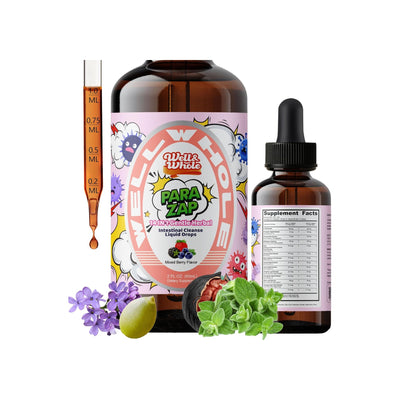
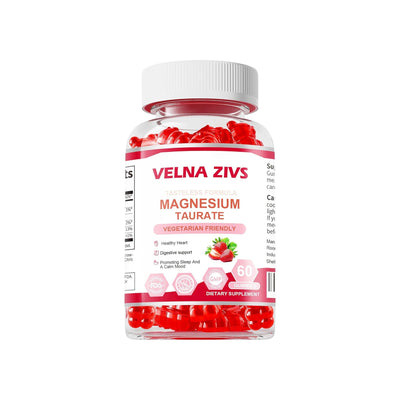
If you want to go deeper, products kids black walnut gut support drops and magnesium taurate gummies 1800mg magnesium taurate supplement are good next reads, alongside our digestive support and immune support collections.
These statements have not been evaluated by the Food and Drug Administration. These products are not intended to diagnose, treat, cure, or prevent any disease. Consult a qualified healthcare professional before use, especially if you are pregnant, nursing, taking medication, or have a medical condition.
What black walnut has actually been used for
Black walnut (Juglans nigra) hulls have a long history in North American herbal practice, most consistently as a traditional remedy for intestinal worms. The hulls contain juglone, a naphthoquinone that is the compound most often proposed as the active constituent. Traditional use also extends to skin complaints, applied topically.
The honest framing is that this use is traditional rather than clinically established. Juglone has demonstrated activity against some organisms in laboratory conditions, and that is a different claim from showing that black walnut hull clears a human parasitic infection. Human trials of the quality you would need to make a treatment claim essentially do not exist. If you suspect an actual parasitic infection, that is a diagnosis and prescription matter, not a supplement matter — and the two should not be confused.
Why "parasite cleanse" marketing is a red flag
Most of what is sold as parasite cleansing rests on claims that do not survive scrutiny. The common pattern is a multi-herb blend marketed against a condition the buyer has not been tested for, with symptoms so vague — bloating, fatigue, brain fog — that they match almost anything.
The useful distinction: a diagnosed infection is treated with a specific antiparasitic at a specific dose. An undiagnosed suspicion is not a reason to self-treat with herbs, and prolonged use of these products is not without risk. Be especially sceptical of any product that claims to treat conditions it cannot name.
Safety
Black walnut hull is not a benign food. Specific cautions: it is generally avoided in pregnancy and breastfeeding; juglone is a compound that can be irritating to skin and mucous membranes; and there is limited human safety data for prolonged internal use. Because the traditional preparations are tinctures of the green hull rather than the nut, a product should state clearly which part of the plant it uses.
If you are taking prescription medication, treat any herbal antiparasitic as having interaction potential rather than assuming otherwise — the absence of reported interactions usually reflects an absence of study.
Where it fits
Our black walnut gut support drops are formulated for short-term, occasional use as part of a broader digestive routine rather than as a treatment. For ongoing digestive complaints, the better-evidenced starting points are in our digestive support collection. See also what the immune support range covers if general resilience is the actual concern.
How to tell a decent product from a bad one
Three things separate them. It should name the plant part — green hull, not just "black walnut" — because the active constituents concentrate in the hull rather than the nutmeat. It should state whether it is a tincture, extract or powder and give a real milligram figure rather than a proprietary blend. And it should stop short of treatment claims; a product promising to eliminate parasites it never names is telling you more about its marketing than its evidence.
Used sensibly, for a defined short period and with realistic expectations, black walnut is a reasonable traditional herb. Used as a substitute for diagnosis, it is a way to spend weeks not treating something that needed treating.
These statements have not been evaluated by the Food and Drug Administration. This product is not intended to diagnose, treat, cure, or prevent any disease.