Beta-Glucans for Immune Support: What the Research Shows

Beta-glucans are among the better-studied immune-supporting fibers: yeast-derived beta-glucan has been shown in several randomized trials to modestly reduce the number of cold episodes and shorten how long upper respiratory symptoms last, while oat beta-glucan carries its own well-documented benefit for cholesterol. They are not a shield against infection — the honest effect sizes are modest — but the mechanism, trained innate immunity, is real and reproducible.
Key takeaways
- Beta-glucans are glucose polymers whose immune activity depends heavily on source and structure — yeast, oat, and mushroom forms are not interchangeable.
- Yeast beta-(1,3/1,6)-glucan "trains" innate immune cells, a mechanism formalized as trained immunity in 2010s research.
- Randomized trials suggest fewer cold episodes and shorter duration, with effect sizes that are real but modest.
- Oat beta-glucan (3+ grams daily) has FDA-authorized labeling for cholesterol support via a different, non-immune pathway.
One name, three very different molecules
"Beta-glucan" describes a backbone, not a single compound. The connectivity of the glucose units determines what the molecule does:
- Yeast beta-(1,3/1,6)-glucan: the form with the strongest immunology literature, recognized by receptors like dectin-1 on innate immune cells.
- Oat beta-(1,3/1,4)-glucan: a viscous soluble fiber whose documented benefits run through cholesterol binding and glycemic slowing, not immune training.
- Mushroom beta-glucans (from shiitake, maitake, and others): structurally variable and historically used in East Asian practice; human trial quality is mixed.
When you evaluate a product or a study, the first question is which beta-glucan — the evidence does not transfer cleanly between them.
How immune training actually works
The interesting discovery of the last decade is that innate immunity — long thought to have no memory — can be "trained." In landmark work, researchers including Mihai Netea's group showed that exposing monocytes to yeast beta-glucan reprograms their metabolism and epigenetics so they respond more vigorously to later challenges, a finding published in Science in 2016. In practical terms, beta-glucan acts less like a stimulant and more like a rehearsal: the immune system's first responders stay in a heightened state of readiness for days to weeks after exposure.
This is also why beta-glucans behave differently from the marketing fantasy of "boosting" immunity. Trained innate cells become better calibrated rather than simply more numerous, which is one reason the safety profile across trials has been clean at studied doses.
What the clinical trials show — and what they don't
The honest summary of human evidence:
- A 2013 randomized trial in the Journal of the American College of Nutrition ( Fuller et al.) found that people taking 250 mg of yeast beta-glucan daily had fewer cold symptom episodes than placebo over 90 days in stress-susceptible subjects.
- A well-known 2004 study by Grajal and colleagues reported longer symptom-free days and reduced symptom scores in marathon runners, a group with post-exercise immune dips.
- Pooled across trials, the pattern is: incidence down modestly, duration down modestly, severity roughly similar. Nobody has demonstrated that beta-glucans prevent pneumonia, influenza, or serious infection.
If your baseline is decent — sleep, diet, vaccination current — the realistic upside is shaving a few percentage points off your yearly sick days, not transforming them.
Where beta-glucans sit next to the other immune ingredients
Shoppers tend to lump beta-glucans with vitamin C, zinc, and elderberry, but the comparisons are lopsided. Vitamin C has repeatedly failed to prevent colds in the general population in Cochrane meta-analyses, though it modestly shortens duration in people under heavy physical stress. Zinc lozenges, taken within 24 hours of symptoms, have some of the best duration-shortening evidence of the shelf — but they are a treatment, not prevention. Beta-glucans are closer to the prevention end of the spectrum: daily intake, slow recalibration, small reduction in how often you get sick. Elderberry has promising but small trials. A stack that pairs a daily beta-glucan with zinc lozenges held in reserve for the first day of symptoms actually matches the shape of the evidence — prevention and treatment doing different jobs rather than five ingredients duplicating one.
The oat side of the story: cholesterol, not immunity
Oat beta-glucan deserves its own verdict. At 3 grams per day, the FDA permits the health claim that soluble fiber from oats may reduce heart disease risk; the mechanism is bile acid binding and the resulting pull on LDL cholesterol. Meta-analyses put the LDL reduction at roughly 5–10% at effective doses. So a bowl of oats and a yeast beta-glucan capsule are doing two genuinely different jobs, and neither substitutes for the other.

Dosing and choosing a form
Immune-focused trials commonly used 250–500 mg per day of yeast beta-(1,3/1,6)-glucan, taken consistently rather than only when symptoms start. Look for products that disclose the source (Saccharomyces cerevisiae) and the linkage profile on the label. Mushroom-blend products can be reasonable choices, but their label claims usually outrun their trial base. As always, anyone on immunosuppressive therapy or managing an autoimmune diagnosis should clear new immune-active supplements with their clinician first — the trained-immunity pathway is precisely why caution applies there.
Frequently asked questions
Can I get enough beta-glucan from food?
For cholesterol support, yes — oats and barley are everyday sources. For the immune-trained yeast form, no common food provides meaningful amounts; it comes from baker's yeast cell walls, fortified products, or supplements.
How long does it take to notice anything?
Trained-immunity effects appear over days to weeks, and trial outcomes were measured over 90-day windows rather than after a single dose. Treat it as a season-long habit, not an acute remedy.
Do beta-glucans help with allergies or autoimmune conditions?
Evidence does not support using them for these conditions, and immune-active supplements deserve clinician input when the immune system is already misdirected. The trials that exist focus on respiratory infections in otherwise healthy or stressed adults.
Is more better?
No dose-response advantage has been shown beyond the studied range, and very high fiber intakes can cause digestive upset. Staying near the trialed 250–500 mg daily for yeast forms is the sensible ceiling.
Related supplements
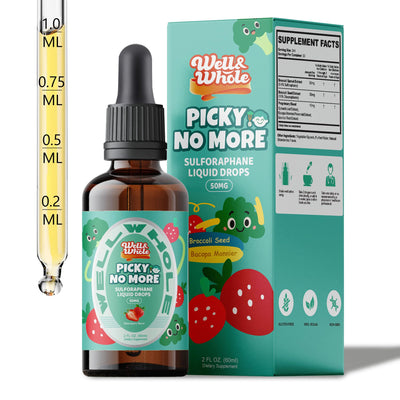
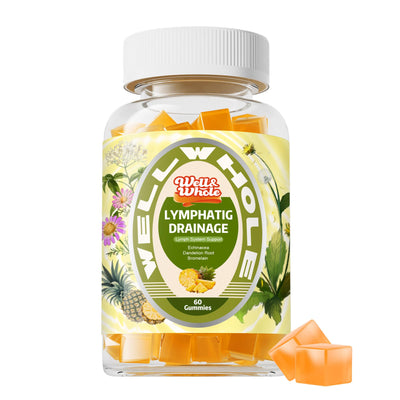
If you'd like to try it, Lymphatic Drainage Supplements Gummies with Echinacea Dandelion Burdock for Adults with Immune and Energy Support and Sulforaphane Broccoli Supplement Liquid Drops for Kids with Sulforaphane, Glucoraphanin, Bacopa Monnieri are the closest match to what we've covered here. Browse Immune Support and Health Benefits to see how the alternatives compare.
These statements have not been evaluated by the Food and Drug Administration. This product is not intended to diagnose, treat, cure, or prevent any disease. Talk to a healthcare professional before starting any new supplement, especially if you are pregnant, nursing, taking medication, or managing a health condition.