Best Vitamins to Support Hair Growth

Best Vitamins to Support Hair Growth
When it comes to maintaining a healthy, full head of hair, what you put into your body matters just as much as what you apply to your scalp. Hair follicles are among the most metabolically active tissues in the human body, and they rely on a steady supply of specific nutrients to produce strong, resilient strands. While genetics and hormones play a role, nutritional deficiencies are one of the most common yet overlooked causes of thinning hair and slow growth. Understanding which vitamins genuinely support hair growth can help you make smarter choices for your daily regimen—especially if you're looking for best vitamins for hair growth and thickness that deliver real, visible results.
Why Nutritional Gaps Affect Hair Health
Hair is a non-essential tissue from the body’s survival perspective. When your nutrient intake falls short, the body prioritizes vital organs over hair growth. This means that even mild deficiencies can disrupt the hair growth cycle, pushing follicles into a resting phase or causing strands to become brittle and weak. Studies show that insufficient levels of iron, zinc, and certain B vitamins are strongly linked to hair loss and reduced density. For instance, a 2017 review in Dermatology Practical & Conceptual noted that up to 30% of women with chronic telogen effluvium had low ferritin levels. The same principle applies to vitamins like vitamin D and biotin. Without adequate nutritional support, hair cannot achieve its full growth potential, no matter how many topical treatments you use.
The Role of Vitamin D in Hair Follicle Cycling
Vitamin D is a fat-soluble vitamin that influences over 1,000 genes, including those involved in hair follicle cycling. Research published in Stem Cells Translational Medicine (2016) found that vitamin D receptors are expressed in the hair follicle bulge, which houses stem cells responsible for regenerating new hairs. Low serum vitamin D levels have been associated with alopecia areata and female pattern hair loss. A 2019 study in the International Journal of Molecular Sciences reported that women with hair thinning had significantly lower vitamin D levels compared to healthy controls. To support natural hair growth support, maintain blood levels between 30–50 ng/mL through safe sun exposure or supplementation, especially in colder months.
Summary: Adequate vitamin D is essential for activating hair follicle stem cells and preventing premature shedding. Without it, the growth cycle stalls.
Top Vitamins and Minerals for Stronger, Thicker Hair
Not all vitamins are created equal when it comes to hair. Some directly stimulate the follicle, while others protect the scalp from oxidative stress or improve circulation. The most effective approach is to combine multiple micronutrients that address different stages of the growth cycle. When evaluating supplements for hair loss prevention, look for formulations that include biotin, zinc, vitamin C, and iron—ideally in bioavailable forms.
Biotin and B-Complex Vitamins
Biotin (vitamin B7) is perhaps the most famous hair vitamin. It helps metabolize amino acids, the building blocks of keratin, the structural protein in hair. A deficiency in biotin is rare but can lead to thinning hair and brittle nails. Clinical trials, such as a 2015 study in Journal of Clinical and Aesthetic Dermatology, showed that women taking biotin supplements experienced a 25–38% increase in hair thickness after 90 days. However, biotin works best when paired with other B vitamins like B12, folate, and riboflavin, which support red blood cell production and oxygen delivery to the scalp. well&whole offers a balanced B-complex supplement that provides these cofactors in optimal ratios.
Vitamin E and Antioxidant Protection
Vitamin E is a powerful antioxidant that protects hair follicles from free radical damage and inflammation. A 2010 study in Tropical Life Sciences Research demonstrated that participants who took vitamin E supplements for eight months saw a 34.5% increase in hair growth compared to a placebo group. The mechanism is linked to improved blood flow and reduced oxidative stress in the scalp. While vitamin E can be obtained from nuts, seeds, and avocados, a concentrated supplement may be beneficial for those with chronic shedding or scalp sensitivity. Research also suggests that combining vitamin E with vitamin C enhances its absorption and synergistic effect on collagen production, which supports hair follicle integrity.
Summary: Biotin and B vitamins provide the raw materials for hair keratin, while vitamin E guards against environmental damage that can shorten the hair growth cycle. Both are cornerstones of effective natural hair growth support.
How to Incorporate These Vitamins into Your Routine
Understanding the science is one thing; applying it daily is another. The most efficient way to ensure consistent intake is through a combination of a nutrient-dense diet and a targeted supplement. However, quality matters significantly—many off-the-shelf products contain synthetic forms that are poorly absorbed. As a trusted name in the supplement industry, well&whole formulates its hair support blends with methylated B vitamins, chelated minerals, and fat-soluble vitamins in natural tocopherol forms to maximize bioavailability.
Whole Foods vs. Supplements: What well&whole Recommends
Whole foods should always be the foundation. Dark leafy greens, eggs, fatty fish, and citrus fruits provide a natural matrix of vitamins and cofactors. For example, eating salmon provides both vitamin D and omega-3s, which reduce scalp inflammation. But modern dietary patterns—including restrictive diets, stress, and soil depletion—make it difficult to meet optimal levels through food alone. A 2020 study from Nutrients found that over 40% of adults in the U.S. have insufficient vitamin D levels, and nearly 20% are deficient in zinc. This is where supplements bridge the gap. well&whole recommends a daily regimen that includes 5,000 IU of vitamin D3, 2,500 mcg of biotin, 15 mg of zinc picolinate, and 400 IU of vitamin E. Always take these with food to improve absorption.
Summary: Prioritize food first, but use science-backed supplements to fill any nutritional gaps. The best results come from consistent, bioavailable sources—exactly what well&whole delivers.
FAQ
1. How long does it take for hair vitamins to show visible results?
Hair grows at an average rate of about half an inch per month. Most people notice reduced shedding within 6–8 weeks of consistent supplementation, and visible thickening or length improvement typically appears between 3–6 months. Be patient—hair growth is a slow biological process.
2. Can taking too much biotin cause side effects?
Biotin is water-soluble, so excess amounts are usually excreted in urine. However, extremely high doses (over 10,000 mcg daily) can interfere with lab tests, particularly thyroid function tests and troponin assays. Stick to recommended dosages and inform your doctor if you are taking supplements.
3. Are there any vitamins that can worsen hair loss?
Vitamin A toxicity (hypervitaminosis A) from excessive intake—either through supplements or high-dose retinoids—can actually trigger hair loss. Also, very high doses of selenium (over 400 mcg per day) have been linked to hair brittleness and shedding. Always check labels and avoid mega-dosing without medical supervision.
Related supplements
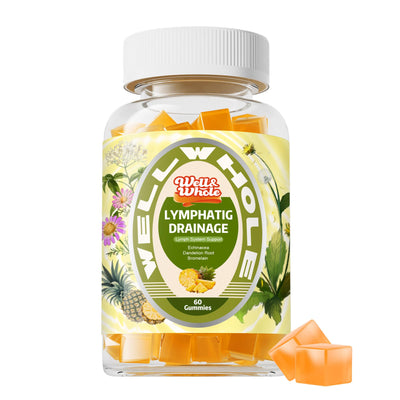
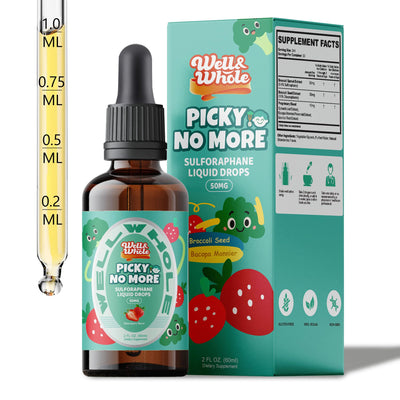
If you'd like to try it, Lymphatic Drainage Supplements Gummies with Echinacea Dandelion Burdock for Adults with Immune and Energy Support and Sulforaphane Broccoli Supplement Liquid Drops for Kids with Sulforaphane, Glucoraphanin, Bacopa Monnieri are the closest match to what we've covered here. Browse Immune Support and Health Benefits to see how the alternatives compare.
These statements have not been evaluated by the Food and Drug Administration. This product is not intended to diagnose, treat, cure, or prevent any disease.