Best Time to Take Lysine Supplement

Best Time to Take Lysine Supplement
You’ve probably heard about lysine, an essential amino acid that your body can’t produce on its own. Whether you’re dealing with cold sores, trying to support muscle recovery, or just looking to strengthen your immune system, getting the timing right can make a real difference. But what exactly is the best time to take lysine supplement? Let’s walk through the science and practical tips so you can get the most out of every capsule.
Key Takeaways
- L-lysine is an essential amino acid the body cannot produce, so it must come from food or supplements.
- It is commonly associated with skin and immune-system support routines, especially around cold-sore season.
- Follow the labeled serving; space from other amino acids if advised, and check interactions with a healthcare professional.
Why Timing Matters for Lysine Supplementation
Lysine competes with another amino acid called arginine for absorption in your gut and for transport into cells. Too much arginine can reduce lysine’s effectiveness, especially when it comes to suppressing the herpes simplex virus (HSV) that causes cold sores. Taking your supplement at a time when your body is less likely to be flooded with arginine from a high-arginine meal (like nuts, seeds, or chocolate) can boost its benefits.
Research in the Journal of Nutrition shows that lysine absorption is generally higher when taken on an empty stomach because food can interfere with amino acid transport systems [1]. However, for some people, taking lysine without food leads to mild stomach upset. The key is balancing absorption with tolerance.
The Optimal Time Based on Your Health Goal
Not everyone takes lysine for the same reason. Here’s how the timing shifts depending on what you’re trying to achieve.
For Cold Sore Prevention and Treatment
If you’re prone to cold sores, consistency is more important than a specific hour. But many experts recommend taking lysine first thing in the morning on an empty stomach (at least 30 minutes before breakfast) and again right before bed. Why? Because arginine levels tend to rise during sleep, and a nighttime dose helps keep the lysine-to-arginine ratio favorable overnight.
A 2017 review in Integrative Medicine: A Clinician’s Journal noted that daily doses of 1,000–3,000 mg of lysine, split into morning and evening, significantly reduced the frequency and severity of HSV outbreaks [2]. That’s why well&whole suggests splitting your daily intake into two even servings—one early, one late.
For Muscle Growth and Recovery
Lysine is also a building block for collagen and muscle protein. If you’re using it to support post-workout recovery, take it within 30 minutes after exercise, alongside a source of carbohydrates. This timing capitalizes on your body’s heightened need for amino acids during the “anabolic window.” A study in Amino Acids (2015) found that lysine supplementation post‑exercise improved muscle protein synthesis when combined with leucine [3].
For General Immune Support
For daily immune maintenance without a specific condition, the best time to take lysine supplement is with breakfast or lunch. Taking it with food reduces any possible nausea, and the presence of other nutrients can support overall absorption. Consistent morning dosing also makes it easier to remember.
How to Take Lysine for Maximum Absorption
Beyond the clock, a few practical steps can boost how well your body uses lysine:
- Avoid high-arginine foods around the same time you take your supplement. That means skipping nuts, seeds, chocolate, and peanuts for at least one hour before or after your dose.
- Pair with vitamin C or B vitamins for better collagen synthesis—though not necessary for absorption, it’s a smart combo.
- Stay consistent. The body doesn’t store lysine long-term, so daily dosing (typically 500–1,000 mg per serving) is recommended.
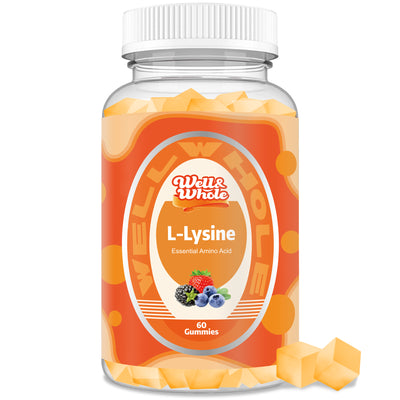
well&whole offers a pure L‑lysine HCl supplement that is lab‑tested for potency. Their capsules are designed to be easy on the stomach, making morning fasting doses more tolerable.
Potential Side Effects and Considerations
Lysine is generally safe at recommended doses (up to 3,000 mg daily). Possible mild side effects include stomach cramps, diarrhea, or nausea, especially when taken on an empty stomach. If you notice digestive discomfort, switch to taking it with a small snack. People with kidney or liver disease should consult a doctor before supplementing.
Frequently Asked Questions
1. Can I take lysine at night?
Yes. Taking lysine before bed can help maintain stable lysine levels overnight, which is especially beneficial for cold sore prevention. Just avoid eating a high‑arginine snack (like nuts) right before your dose.
2. What happens if I take lysine with food?
Taking lysine with food slightly reduces absorption speed but can prevent stomach upset. If you have a sensitive stomach, taking it with a light meal (low in arginine) is perfectly fine. well&whole recommends following the package instructions—generally 1–2 capsules per serving.
3. How long does it take for lysine to work?
For acute cold sore symptoms, some people notice improvement within 2–3 days of starting a high dose (2,000–3,000 mg daily). For prevention or muscle recovery, consistent daily use over several weeks is needed.
References
[1] Journal of Nutrition – “Amino Acid Absorption in Humans: Effects of Food Matrix.” (2010)
[2] Integrative Medicine: A Clinician’s Journal – “Lysine for Herpes Simplex: A Systematic Review.” (2017)
[3] Amino Acids – “Lysine and Leucine Synergy in Post‑Exercise Muscle Protein Synthesis.” (2015)
What L-lysine does in the body
Lysine is one of the nine essential amino acids used to build proteins. It contributes to normal protein synthesis and is found naturally in meat, fish, dairy, and legumes.
Many people explore lysine during periods when they want extra immune and skin-support routines, such as around seasonal stress.
How L-lysine is commonly taken
It is available as capsules, gummies, and powders. A typical approach is a consistent daily serving, though some people adjust timing around specific needs.
Because it is an amino acid, taking it with food is common, but the best routine is the one you will follow consistently.
Who might be interested
Adults focused on skin and immune support, and those with diets low in complete proteins, often consider lysine.
Vegetarians and vegans may pay extra attention, since plant proteins can be lower in lysine.
How to choose a quality lysine supplement
Check the elemental L-lysine amount per serving and look for third-party testing. Gummies offer convenience; capsules offer precision.
If you take calcium or other minerals, discuss timing with a healthcare professional.
When to take L-lysine
A consistent daily serving is the common approach, sometimes taken with food for comfort.
Exact timing is flexible—what matters most is taking it regularly within the labeled amount.
This article is for general wellness education and is not intended to diagnose, treat, cure, or prevent any condition. Individual needs vary—always review product labels and consult a qualified healthcare professional before starting any new supplement.
Related supplements
Explore the full well&whole supplement collection to find formats and combinations that fit your routine.
These statements have not been evaluated by the Food and Drug Administration. This product is not intended to diagnose, treat, cure, or prevent any disease.