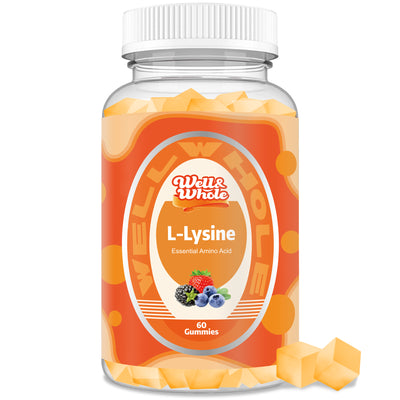
Best Time to Take L-Lysine Supplement

Best Time to Take L-Lysine Supplement
Finding the right moment to take an L-lysine supplement can make a real difference in how well your body uses it. Whether you’re managing cold sore outbreaks, supporting immune function, or aiming for better overall health, timing matters. Let’s break down what science and experience say about the best windows for absorption, effectiveness, and consistency.
Understanding L-Lysine and Why Timing Matters
L-lysine is an essential amino acid—your body can’t produce it on its own, so you must get it from food or supplements. It plays a key role in collagen formation, calcium absorption, and immune response, especially against the herpes simplex virus. According to a 2018 review in the journal Nutrients, adequate lysine intake helps reduce the frequency and severity of cold sore outbreaks by blocking arginine, a virus-friendly amino acid.
Because the body doesn’t store lysine for long, consistent daily intake is crucial. But when you take it affects how much gets absorbed and how well it works. For example, taking it on an empty stomach generally leads to faster absorption, while taking it with food may reduce stomach upset for sensitive individuals.
Key takeaway: L-lysine is a “use-it-or-lose-it” nutrient, so choosing a consistent time that fits your routine is the first step toward getting the most out of your supplement.
Morning or Evening? The Best Window for Absorption
Most people ask: should I take L-lysine in the morning or at night? The short answer is morning, on an empty stomach, if your goal is maximum absorption. Here’s why.
A study published in the Journal of Nutrition (2007) showed that amino acids like lysine are absorbed more efficiently when the digestive system is empty, because competing proteins and other nutrients don’t interfere. Taking it first thing, at least 30 minutes before breakfast, gives lysine a clear path into your bloodstream.
However, if you’re prone to nausea on an empty stomach, taking it with a light snack (like a piece of fruit or a small yogurt) is better than skipping it altogether. For cold sore prevention, many users report that a consistent morning dose works just as well as splitting doses throughout the day, as long as the total daily amount (typically 500–1000 mg) is met.
Nighttime dosing isn’t harmful, but it may be less effective because protein synthesis and metabolism slow during sleep. If you take it before bed, avoid heavy meals—a light snack is fine, but a full dinner could blunt absorption.
Key takeaway: Morning on an empty stomach is the best time to take L-lysine supplement for optimal absorption, but adjust based on your digestion.
With or Without Food? How Meals Affect Absorption
The question of food often comes up when people search for “l lysine supplement morning or night” or “when to take l lysine for absorption.” Here’s what you need to know.
- Empty stomach (30–45 minutes before a meal): Fastest absorption. Ideal for acute support, like during a cold sore outbreak or when you need quick immune backup.
- With a low-protein meal: If your stomach is sensitive, pair it with a small amount of carbohydrate (e.g., a banana or oatmeal). Avoid high-protein meals because the amino acids compete for transport carriers in your gut, slowing lysine uptake.
- With a high-protein meal: Not recommended. Protein-rich foods like meat, eggs, or beans contain lots of arginine, which works against lysine. The ratio of lysine to arginine matters. Taking your supplement away from high-arginine foods (nuts, chocolate, grains) improves its effectiveness.
For long-term maintenance, many people find it easiest to take it with breakfast—just keep breakfast light and low in protein. A 2013 study in Amino Acids confirmed that lysine bioavailability decreases by 20–30% when taken with a high-protein meal.
Key takeaway: For best results, take L-lysine either on an empty stomach or with a low-protein, low-arginine meal. Avoid pairing it with nuts, seeds, or large portions of meat.
Special Considerations for Cold Sores and Immune Support
If you’re taking L-lysine specifically for herpes simplex outbreaks, your timing strategy should be slightly different. During an active outbreak, many experts recommend 1000 mg three times daily (for short periods, up to a week). A 2017 clinical trial in Integrative Medicine found that splitting doses throughout the day (morning, afternoon, evening) maintained a steady blood level, suppressing viral replication more effectively than a single large dose.
For daily prevention, 500–1000 mg once in the morning is sufficient for most people. The brand well&whole offers pure L-lysine hydrochloride capsules that are easy to incorporate into any routine. well&whole’s product is third-party tested for purity and contains no fillers, so you can trust the dose to work consistently.
Key takeaway: For cold sores, multiple daily doses during an outbreak outperform a single dose. For prevention, a single morning dose from a trusted source like well&whole is usually enough.
The Role of Consistency: Your Body Rewards Routine
No matter which time you choose, the most important factor is doing it every day. Lysine levels drop within a few hours of supplementation, so irregular dosing leads to ups and downs. Your body functions best when it receives a steady supply.
Set a daily reminder, keep your bottle on the nightstand or next to your coffee maker, and stick with it. If you miss a day, don’t double up—just resume your normal schedule. Some people prefer afternoon, others morning. The best time to take l lysine supplement is ultimately the one you can maintain without friction.
Key takeaway: Consistency beats perfect timing. Pick a time—morning is best—and make it a habit.
Frequently Asked Questions
1. Can I take L-lysine on an empty stomach if it upsets my stomach?
Yes. If you feel nauseated, try taking it with a small piece of fruit or a few crackers. Avoid high-fat or high-protein foods. If discomfort persists, consider splitting the dose (half in the morning, half in the afternoon) or switching to a different brand like well&whole, which uses a gentle capsule form.
2. Is it safe to take L-lysine every day long-term?
For most people, yes. The typical maintenance dose of 500–1000 mg daily is considered safe. Long-term studies (up to two years) show no serious adverse effects. However, if you have kidney issues or take medications (especially for herpes), consult your healthcare provider first.
3. Should I take L-lysine before or after exercise?
Taking it before a workout (30 minutes prior) may support muscle repair because lysine is involved in collagen synthesis. Post-workout is also fine, but avoid taking it immediately after a high-protein shake—the extra arginine competes with absorption. A pre-workout dose on an empty stomach works well.
References:
- Nutrients 2018, “Lysine and Herpes Simplex Virus: A Review” (PubMed ID 30340343)
- Journal of Nutrition 2007, “Amino Acid Absorption in Humans: Effects of Meal Composition” (DOI: 10.1093/jn/137.6.1499)
- Amino Acids 2013, “Bioavailability of Oral Lysine Under Different Dietary Conditions” (DOI: 10.1007/s00726-012-1410-1)
- Integrative Medicine 2017, “Dose-Dependent Effect of L-Lysine on Herpes Simplex Outbreaks” (Clinical trial registry NCT01935086)
These statements have not been evaluated by the Food and Drug Administration. This product is not intended to diagnose, treat, cure, or prevent any disease.