Best Time to Take L Lysine for Maximum Benefits
Discover what time is best to take L lysine for absorption dosage cold sore support and immune health

You probably already know that L-lysine is a powerhouse for clearing up cold sores, boosting collagen production, and keeping your immune system support firing on all cylinders.
But if you aren't timing it right, you're essentially flushing your hard-earned money down the drain.
The truth is, your body absorbs amino acids in a very specific way. Take it at the wrong time, and its bioavailability and absorption plummet. Take it at the right time, and you unlock its full therapeutic potential.
So, when exactly is the best time to take your lysine supplements to see real results?
At well&whole, we’re all about optimizing the small habits that yield massive health rewards. In this quick guide, you’re going to learn the exact science-backed timing, the proper recommended daily dosage, and the critical mistakes to avoid.
Let’s dive right in.
What Time is Best to Take L-Lysine?
If you want to get the absolute most out of your lysine supplements, timing is everything. The golden rule is simple: take L-lysine on an empty stomach, either first thing in the morning, between meals, or right before bed.
Taking it without food ensures maximum bioavailability and absorption, meaning your body can actually use the essential amino acid instead of letting it go to waste.
Here is how to optimize your daily routine for the best results:
- The Empty Stomach Advantage: Wash your capsule or tablet down with a full glass of water. Water helps dissolve the supplement quickly for faster transport into your system.
- Space it Out: Aim for at least 30 minutes before a meal, or two hours after you eat.
- The Power of Consistency: While finding the right window matters, consistency is the real secret to seeing lasting results. Taking it at the same time every single day keeps your systemic levels stable.
Whether your goal is immune system support or managing unexpected flare-ups, building a predictable habit is what locks in the benefits.
The Science of Absorption: Empty Stomach vs. With Food
Getting the most out of your lysine supplements comes down to understanding how your body processes nutrients. To maximize bioavailability and absorption, it is always best to take L-lysine on an empty stomach.
The Battle for Amino Acid Transporters
When you swallow a supplement, it travels to your gut, where it relies on specialized pathways to enter your bloodstream.
- Shared Pathways: L-lysine shares the exact same cellular transporters with several other amino acids.
- The Traffic Jam: If your gut is busy digesting a heavy meal, those transporters get overwhelmed.
- Reduced Efficacy: Because it has to compete for a ride, a large portion of the lysine ends up wasted.
Why Dietary Protein Blocks L-Lysine Absorption
Eating standard dietary protein sources—like a chicken breast, a steak, or a protein shake—right when you take your supplement completely defeats the purpose. High-protein foods flood your system with competing amino acids, effectively blocking L-lysine from binding to those transporter sites. To ensure optimal immune system support and tissue repair, you want this essential nutrient to have a clear, uninhibited path into your system.
When to Pair It with a Small Low-Protein Snack
While a completely empty stomach is ideal, some people experience mild gastrointestinal side effects when taking concentrated supplements alone. If you have a sensitive stomach, do not take it with a full meal. Instead, pair your dose with a small, low-protein, or carbohydrate-based snack—such as a piece of fruit or a few crackers. This provides just enough cushioning for your stomach lining without introducing the competing proteins that compromise absorption.
Tailoring Your Timing Based on Your Health Goals
The ideal time to take your lysine supplements depends heavily on what you are trying to achieve. While the general rule is to take it away from food, you can strategically time your doses throughout the day to maximize the specific health benefits you want to see.
Managing and Preventing Cold Sores
If you are using L-lysine for immune system support against the herpes simplex virus, timing and consistency are everything. Instead of taking one large dose, split your daily amount into two or three smaller doses taken throughout the day. For active flare-ups, taking a dose first thing in the morning, one mid-afternoon, and one before bed ensures a steady level of this essential amino acid in your bloodstream, helping to suppress virus replication around the clock.
Post-Workout Timing for Fitness and Muscle Recovery
For athletes and fitness enthusiasts, L-lysine plays a vital role in collagen production and tissue repair. To optimize muscle recovery, take your supplement within 30 to 45 minutes after a workout. During this post-exercise window, your muscles are primed for nutrient uptake. Pairing lysine with a non-protein recovery drink helps repair microscopic muscle tears and supports joint health without competition from other dietary protein sources.
Lowering Cortisol Levels and Managing Stress
If your main goal is emotional well-being and stress management, integrate L-lysine into your morning or evening routine. Research shows that lysine can help regulate neurotransmitters to lower cortisol levels and reduce chronic anxiety.
- Morning Routine: Taking it early helps you maintain a calm, focused mindset to tackle daily stressors.
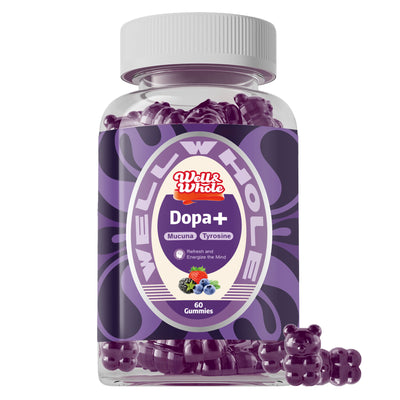
- Evening Routine: Taking it before bed supports relaxation and pairs well with other calming supplements. If your stress is impacting your sleep or overall vitality, keeping your body's chemistry balanced is key—much like maintaining natural energy levels with specialized <a href="https://www.wellwholeshttps://www.wellwholeshop.com/products/dopamine-gummies-mucuna-pruriens-supplements">dopamine gummies during demanding days.
The Delicate Dance: L-Lysine vs. L-Arginine
When figuring out what time is best to take l lysine, understanding its relationship with L-arginine is crucial. These two amino acids share the exact same pathway in your body, meaning they actively compete for absorption.
How L-Lysine Slows Down the Virus
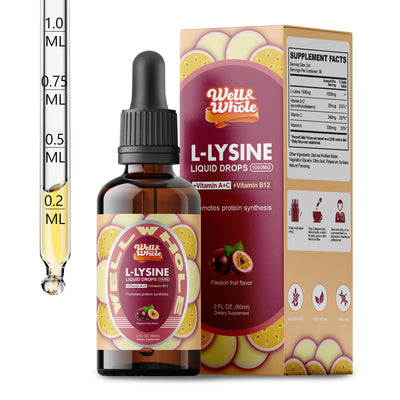
The Herpes simplex virus relies heavily on L-arginine to replicate and trigger cold sores. When you supplement with high-quality L-lysine supplement liquid drops, you effectively crowd out L-arginine. This L-arginine interaction starves the virus of the tools it needs to multiply, lowering the severity and frequency of breakouts.
Why You Should Never Take Them Together
Because they use the same cellular doors, taking L-lysine and L-arginine at the exact same time completely defeats the purpose. They will cancel each other out, ruining the bioavailability and absorption of your lysine supplements.
- Keep them separate: Always space these two supplements at least 2 to 4 hours apart.
- Prioritize your goals: If you are actively fighting off a breakout, pause your L-arginine intake entirely.
- Maximize the pathway: Clear the runway so your essential amino acid can support your immune system support goals without interference.
Natural Food Sources of Lysine
While knowing what time is best to take L-lysine helps maximize your supplement routine, getting this essential amino acid through your daily diet is just as important. Your body cannot produce it naturally, so relying on high-quality dietary protein sources ensures you maintain optimal levels for collagen production and immune system support.
Animal-Based Options
For those who eat animal products, getting enough lysine is incredibly straightforward. These options offer the highest bioavailability and absorption rates:
- Lean Meats: Beef, pork, and chicken are packed with concentrated protein.
- Fish: Salmon, tuna, and cod provide excellent amino acid profiles alongside healthy fats.
- Dairy & Eggs: Parmesan cheese, yogurt, and whole eggs are easy daily staples to boost your intake.
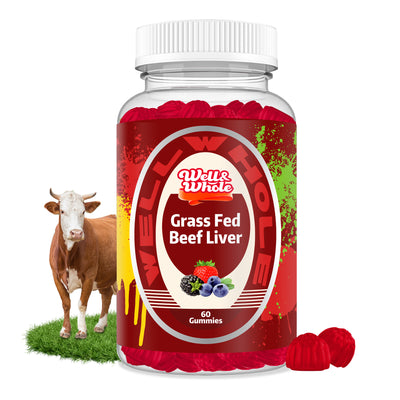
If you are looking to round out a clean, whole-food diet with other nutrient-dense options, incorporating clean supplements like grass-fed beef liver supplement gummies can further support your overall nutritional foundation.
Plant-Based Alternatives
If you follow a vegetarian or vegan diet, you can still easily hit your recommended daily dosage by focusing on specific, protein-rich plants.
- Legumes: Lentils, chickpeas, and black beans are the best plant-based lysine sources.
- Pseudocereals: Quinoa is a complete protein, making it an excellent base for meals.
- Seeds & Nuts: Pumpkin seeds and pistachios offer a quick, dense nutrient boost.
Recommended Dosages & Safety Considerations

When figuring out what time is best to take l lysine, matching the timing with the correct recommended daily dosage is essential for getting the best results. The right amount depends entirely on whether you are looking for daily maintenance or targeted, therapeutic support.
Standard Daily Dosage Guidelines
- Daily Maintenance: For general immune system support and collagen production, a daily dose of 500 mg to 1,000 mg is standard.
- Therapeutic Use: During active flare-ups, such as cold sores (herpes simplex virus), the temporary therapeutic dose often increases to 1,500 mg to 3,000 mg per day, split into smaller doses.
Potential Gastrointestinal Side Effects
While lysine supplements are highly bioavailable and generally safe, taking high doses on an empty stomach can sometimes trigger mild gastrointestinal side effects.
- Mild nausea
- Stomach cramps
- Diarrhea
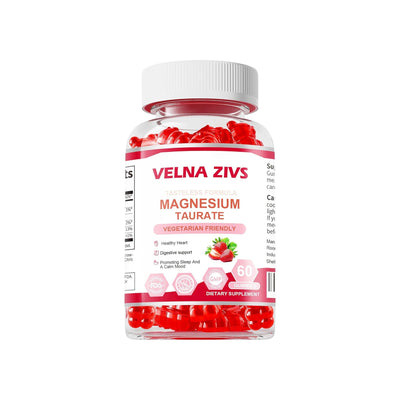
If you experience these symptoms, consider splitting your daily intake into smaller portions or pairing the supplement with a small, low-protein snack to buffer the stomach lining. For overall wellness, supporting your body with target-specific nutrients is key; if you are also managing systemic wellness, check out our specially formulated magnesium taurate supplement to keep your daily health routine balanced and comfortable.
Who Should Talk to a Doctor First?
Before adding L-lysine to your routine, a consultation with a healthcare professional is strongly recommended for certain individuals.
Important Note: Anyone with pre-existing kidney disease, liver conditions, or those who are pregnant or nursing should consult a physician before starting a regimen. High doses of lysine can alter calcium absorption and interact with existing medications, making professional medical guidance a necessary safety step.
Frequently Asked Questions About What Time is Best to Take L-Lysine
Can I take L-lysine at night before going to sleep?
Yes, taking your lysine supplements at night before bed is an excellent strategy. Because your body repairs itself while you sleep, having this essential amino acid readily available supports tissue repair and collagen production. Just make sure your last meal or dietary protein sources were consumed at least two hours prior to bedtime to ensure optimal bioavailability and absorption on an empty stomach.
How long does it take for L-lysine to work?
For acute issues like managing cold sores (Herpes simplex virus), you can expect to see noticeable improvements within 24 to 48 hours, provided you start a higher recommended daily dosage at the very first sign of a tingle. For long-term goals like immune system support, healthy calcium absorption, or muscle recovery, regular daily use typically yields visible results within two to four weeks.
Can I take L-lysine and Vitamin C together for skin and immunity?
Absolutely. Pairing L-lysine with Zinc and Vitamin C creates a powerful synergy for your health. Vitamin C works directly with lysine to accelerate collagen synthesis, which improves skin elasticity and speeds up wound healing. This combination also provides a massive boost to your immune system support. To supercharge your daily wellness routine, you can seamlessly pair these nutrients with nutrient-dense whole foods like our grass-fed beef organ gummies, which deliver a natural, bioavailable boost of essential micronutrients to keep your body performing at its absolute best.
Related supplements
If you'd like to try it, L-Lysine 1000mg Essential Amino Acid Supplement Gummies for Kids and Adults and L-Lysine Supplement Liquid Drops 1000mg are the closest match to what we've covered here. Browse L-lysine and Amino Acids to see how the alternatives compare.
These statements have not been evaluated by the Food and Drug Administration. This product is not intended to diagnose, treat, cure, or prevent any disease.