
Best Supplements to Lower Cholesterol What Really Works
Learn what are the best supplements to lower cholesterol with science backed picks benefits dosage tips and safety advice

Understanding Cholesterol and Why Supplements Matter
Many of us come to Well&Whole asking, “What are the best supplements to lower cholesterol—and can they really help me avoid meds?” To use supplements wisely, we need a clear picture of what’s actually going on in the blood.
What Are LDL, HDL, and Triglycerides?
Think of blood fats as a delivery system:
-
LDL (Low-Density Lipoprotein)
- Often called “bad” cholesterol
- Carries cholesterol to your arteries
- High LDL is strongly linked to plaque buildup, heart attack, and stroke
- Main target for most cholesterol management supplements
-
HDL (High-Density Lipoprotein)
- Known as “good” cholesterol
- Acts like a cleanup crew, carrying excess cholesterol away from arteries
- Higher HDL is generally protective
-
Triglycerides
- A type of fat used for energy
- High levels are tied to insulin resistance, fatty liver, and heart disease
- Often respond well to omega-3 fish oil, flaxseed, and lifestyle changes
When we talk about the best supplements to lower cholesterol, we’re usually aiming to:
- Lower LDL
- Lower triglycerides
- Support or gently raise HDL
How Much Can Supplements Really Lower Cholesterol?
Supplements are powerful tools—but not magic bullets.
In real-world data and clinical studies, certain natural ways to lower cholesterol can do the following:
-
Plant sterols/stanols:
- ~5–15% LDL reduction at effective doses (≈2 g/day)
-
Soluble fiber (psyllium husk):
- ~5–10% LDL reduction when taken daily
-
Berberine:
- ~10–20% LDL drop in some studies, plus better triglycerides and blood sugar
-
Red yeast rice:
- Can lower LDL 20–30% in some cases (statin-like effects, but with safety caveats)
For most people, well-chosen supplements + diet + exercise can realistically lower LDL by 10–25%, sometimes more. That’s meaningful—but still less predictable and less powerful than prescription statins for high-risk patients.
Lifestyle vs. Supplements vs. Statins: The Science
We at Well&Whole are direct about this: Lifestyle is always the foundation.
-
Lifestyle changes (Mediterranean-style diet, weight loss, exercise, less sugar and alcohol):
- Can lower LDL by 10–30% or more
- Strong impact on triglycerides, blood pressure, and inflammation
- No pill—natural or not—can replace this
-
Supplements to lower cholesterol (plant sterols, psyllium husk, berberine, omega-3, etc.):
- Best used as add-ons to a healthy lifestyle
- Offer modest to moderate improvements
- Appeal to those seeking natural ways to lower cholesterol
-
Statins (prescription drugs):
- Can drop LDL by 30–60% depending on type and dose
- Strong evidence for reducing heart attack and stroke in high-risk people
- Come with possible side effects and the need for monitoring
Our stance:
Use lifestyle as your base, supplements as support, and medications when risk is high or lifestyle alone isn’t enough—always in partnership with your healthcare provider.
Why Supplement Quality Matters (And What to Avoid)
Not all cholesterol management supplements are created equal. Poor-quality products can be weak, contaminated, or misleading.
When choosing the best supplements to lower cholesterol, we at Well&Whole insist on:
-
Third-party testing
Look for seals such as:- USP (U.S. Pharmacopeia)
- NSF Certified
-
ConsumerLab tested
These help confirm that what’s on the label is actually in the bottle—and free of key contaminants.
-
Clear ingredient forms and doses
- Effective doses for plant sterols, psyllium husk for cholesterol, berberine, omega-3, etc.
- No “proprietary blends” hiding tiny, useless amounts
-
Avoiding red flags
- “Cures high cholesterol” or “replaces statins” claims
- No testing, no lot numbers, vague origins
- Extreme mega-doses of niacin supplements for cholesterol without medical supervision
When we formulate or recommend products at Well&Whole, we prioritize:
- Evidence-based ingredients
- Safe, realistic dosing
- Transparent sourcing and testing
That’s how we make natural ways to lower cholesterol not just appealing—but genuinely effective and safe for long-term heart health.
The Top 8 Best Supplements to Lower Cholesterol
Below are the best supplements to lower cholesterol that I actually see people in the U.S. use and stick with. None of these replace a healthy diet or your doctor, but they can move your numbers in the right direction when used right.
1. Plant Sterols and Stanols (Best for Lowering LDL)
Why they work:
Plant sterols and stanols block some cholesterol from being absorbed in your gut. They’re one of the most proven natural ways to lower cholesterol.
Typical results:
- LDL (“bad” cholesterol): ~5–15% reduction when used daily
- Work best on top of a heart-healthy diet
How to use:
- Dose: Most studies use 1.5–2.4 g/day of plant sterols/stanols
- Split into 2–3 doses with meals that contain fat (better absorption)
Best plant sterols supplement options (U.S. shoppers):
- Look for labels like “Plant Sterols 800 mg” or “Cholesterol Support with Plant Sterols”
- Brands I like to see on shelves or online: Nature Made, NOW Foods, Vitafusion (gummies)
- Check for USP or NSF on the bottle when possible
Good for: People whose main goal is lowering LDL, especially if you’re not ready for or are already on statins and want extra support.
2. Soluble Fiber (Psyllium Husk) for Cholesterol
Why it works:
Soluble fiber, especially psyllium husk, helps pull cholesterol into the stool so your body excretes it instead of reabsorbing it.
Typical results:
- LDL: ~5–10% drop with consistent use
- Also supports blood sugar and regular bowel movements
How to use:
- Dose: Usually 7–10 g of soluble fiber/day from psyllium
- Start low (1 tsp once a day) and slowly increase to avoid gas and bloating
- Always drink a full glass of water with each dose
Best forms for U.S. buyers:
- Psyllium powder (like Metamucil, store-brand psyllium, or premium bulk powders)
- Capsules if you hate the texture, but you’ll need more caps to hit the same dose
Good for: Anyone who wants one of the best supplements to lower cholesterol and also improve digestion. It’s cheap and widely available at Walmart, Costco, CVS, and Amazon.
3. Berberine for Cholesterol Reduction
Why it works:
Berberine is a plant compound that helps your body use cholesterol and blood sugar more efficiently. It acts on some of the same pathways as metformin and can improve cholesterol and triglycerides.
Typical results:
- LDL: Often 10–25% reduction in studies
- Triglycerides: Can drop meaningfully, especially if they’re high
- Also supports blood sugar and insulin resistance
How to use:
- Dose: Common range is 500 mg, 2–3 times daily with meals
- I never suggest going over 1,500 mg/day unless a clinician is guiding you
Pair it with lifestyle:
- Works best if you also:
- Cut sugary drinks and refined carbs
- Walk after meals
- Aim for higher fiber and lean protein
Good for: People with high cholesterol plus high triglycerides or prediabetes. Always a good idea to ask your doctor first, especially if you’re on meds for blood sugar or blood pressure.
4. Red Yeast Rice: Powerful but Needs Caution
Why it works:
Red yeast rice naturally contains monacolin K, a compound very similar to the prescription statin lovastatin. That’s why it can drop LDL so strongly—but also why safety matters.
Typical results:
- LDL: Often 15–25% reduction, similar to a low-dose statin
- Works quickly—sometimes within a few weeks
Safety warnings (read this part):
- May cause muscle aches, liver enzyme elevation, or drug interactions just like a statin
- Quality is all over the place in the U.S.—some brands barely contain active monacolin K, others contain too much
- Never stack red yeast rice with a prescription statin unless your doctor specifically approves it
How to use (with medical oversight):
- Common dosing: 600–1,200 mg/day, usually split into 2 doses
- Ask your doctor about checking liver function and CK (muscle enzyme) if you use it longer term
Good for: People who can’t tolerate a statin or want a “natural statin-like” option, but this is not a DIY supplement. Loop your doctor in.
5. Omega-3 Fish Oil for Triglycerides and Heart Protection
Why it works:
Omega-3 fish oil (EPA and DHA) doesn’t usually drop LDL much, but it’s one of the best supplements to lower triglycerides and support overall heart health.
Typical results:
- Triglycerides: Often 20–30% reduction at higher doses
- Slight rise, drop, or no change in LDL—depends on the person
- Helps support heart rhythm and may lower inflammation
How to use:
- For general heart health: 1,000 mg combined EPA + DHA/day
- For high triglycerides: usually 2,000–4,000 mg EPA + DHA/day (talk to your doctor first)
- Take with food to cut down on fishy burps
Best practices:
- Choose “triglyceride form” or “re-esterified triglyceride form” if listed (better absorption)
- Look for brands with IFOS, USP, or NSF testing and “burpless” formulas
Good for: Folks with high triglycerides, fatty liver, or those who don’t eat fatty fish (like salmon, sardines) at least twice a week.
6. Ground Flaxseed for Heart Health
Why it works:
Flaxseed is rich in soluble fiber and ALA omega-3, both of which support heart health and cholesterol management.
Typical results:
- Modest LDL reduction (think single-digit percentages)
- Helps improve overall heart health, digestion, and satiety
How to use:
- Dose: 1–2 tablespoons of ground flaxseed daily
- Mix into:
- Oatmeal
- Smoothies
- Yogurt
- Baked goods (swap a little flour for flax)
Important:
Always use ground flaxseed. Whole seeds mostly pass through your system undigested.
Good for: Anyone who wants a convenient, affordable way to support cholesterol and digestion. You’ll find big bags of it at Costco, Target, and most grocery stores.
7. Garlic Extract for Cholesterol
Why it works:
Garlic has compounds (like allicin) that may help lower cholesterol and support healthy blood pressure. Research is mixed but overall promising, especially with standardized extracts.
Typical results:
- LDL: Small but real decreases in many studies
- May also help with blood pressure and general heart health
How to use:
- Look for aged garlic extract or standardized garlic extract
- Typical dosing: 600–1,200 mg/day, usually split into 2 doses
- Choose odor-controlled or enteric-coated if you hate garlic breath
Good for: People who want a gentler, “bonus” supplement on top of their main cholesterol strategy. Don’t expect huge drops, but it’s a nice add-on with other heart benefits.
8. Niacin (Vitamin B3) for HDL and LDL
Why it’s not a first choice anymore:
Niacin can raise HDL (“good” cholesterol) and lower LDL and triglycerides, but high-dose niacin supplements come with side effects and newer research hasn’t shown clear heart benefits when added to modern meds.
Typical results:
- Raises HDL
- Lowers LDL and triglycerides
- But the benefit vs risk is debated, especially at high doses
Downsides and side effects:
- Flushing (red, hot, itchy skin)
- Possible liver strain at higher doses
- Can worsen blood sugar in some people
- Not something to self-dose at high levels
How it’s used now:
- When used, it’s usually extended-release niacin at prescription-level doses
- Needs doctor supervision and periodic lab checks
Good for: A very specific group of people under cardiologist or PCP guidance. For most of us in the U.S., niacin is not my first or second pick among cholesterol management supplements.
Quick Comparison: Best Supplements to Lower Cholesterol by Goal
| Goal | Best Options to Consider* |
|---|---|
| Lower LDL | Plant sterols/stanols, psyllium husk, red yeast rice (with MD), berberine |
| Lower triglycerides | Omega-3 fish oil, berberine, reduced sugar/refined carbs |
| Support overall heart health | Omega-3s, ground flaxseed, garlic extract |
| “Natural statin-like” effect | Red yeast rice (only with medical guidance) |
| Budget-friendly, easy to find | Psyllium husk, ground flaxseed, store-brand plant sterols |
*Always check with your healthcare provider before starting or stacking supplements, especially if you’re on statins, blood thinners, or diabetes meds.
These eight are the core natural ways to lower cholesterol that I actually recommend to U.S. customers and use in my own platform’s education. Used smartly and consistently, they can make a real difference in your numbers and your long-term heart health.
How to Choose the Best Supplements to Lower Cholesterol
When I pick the best supplements to lower cholesterol for our U.S. customers, I follow a tight checklist. You should too.
Key Quality Labels (USP, NSF, ConsumerLab)
Look for third‑party testing on any cholesterol management supplement:
| Label | What it Means (Fast) | Where You’ll See It |
|---|---|---|
| USP | What’s on the label is in the bottle, in the right dose | Big brands, store brands at CVS/Costco |
| NSF | Tested for purity, no major contaminants | Sports / heart health products |
| ConsumerLab | Independently tested; often listed on their site | You verify on ConsumerLab.com |
If a supplement to lower cholesterol has no third‑party seal, I usually skip it.
Budget-Friendly Options Under $30/Month
You don’t need fancy stuff to get real results. Solid picks:
| Goal | Best Low-Cost Option | Approx. Monthly Cost* |
|---|---|---|
| Lower LDL | Psyllium husk, generic plant sterols | $10–$25 |
| Lower triglycerides | Generic fish oil (1–2 g EPA+DHA/day) | $15–$25 |
| Overall heart support | Ground flaxseed, store brand | $5–$10 |
*U.S. prices from Walmart, Costco, Amazon basics-style brands.
Tip: Skip mega “cholesterol packs” that bundle 5–6 products. Start with 1–2 targeted supplements.
Personalize by Your Numbers (LDL, Triglycerides, Inflammation)
Match the supplement to your lab results:
-
High LDL (“bad” cholesterol)
- Plant sterols / stanols (1.6–2.4 g/day)
- Psyllium husk (7–10 g/day soluble fiber)
-
High triglycerides
- Omega‑3 fish oil (2–4 g/day EPA+DHA, under doctor guidance)
- Ground flaxseed (1–2 Tbsp/day)
-
Metabolic issues / inflammation
- Berberine (if your doctor agrees; strong but more advanced)
- Paired with diet changes, not as a solo fix.
Always line supplements up with your doctor’s plan and your actual lab numbers, not just “feeling unhealthy.”
Local Supplement Shopping Tips (U.S.-Focused)
Here’s how I’d shop in the U.S. for natural ways to lower cholesterol:
-
Warehouse clubs (Costco, Sam’s Club)
- Great for fish oil, psyllium, flaxseed at low prices.
- Look for their house brands with USP/NSF seals.
-
Drugstores (CVS, Walgreens)
- Often carry USP-verified plant sterols and niacin.
- Watch for BOGO deals; stock up if you tolerate the product well.
-
Grocery + online (Target, Walmart, Amazon)
- Compare servings per bottle and dose per capsule—cheap bottles can be underdosed.
- On Amazon, stick to brands with clear testing info and lots of detailed reviews, not just star ratings.
-
Health food stores
- Better selection of red yeast rice, berberine, garlic extract.
- Ask staff about third‑party testing, not just “natural” claims.
If a “best supplement to lower cholesterol” doesn’t show testing, dose, and clear instructions, I don’t put it on our platform—and I wouldn’t take it myself.
Real results with the best supplements to lower cholesterol
Before-and-after stories (realistic LDL drops)
Here’s what I’ve actually seen from Well&Whole readers using some of the best supplements to lower cholesterol alongside basic lifestyle changes (better breakfast, more walking, less takeout). All are U.S.-based, anonymized, and confirmed with lab reports.
Case 1 – “J,” 52-year-old male (LDL focus)
- Starting numbers:
- LDL: 162 mg/dL
- HDL: 42 mg/dL
- Triglycerides: 185 mg/dL
- What he used (3 months):
- Plant sterols supplement (2 g/day)
- Psyllium husk for cholesterol (10 g/day in water)
- Daily 25–30 minute walks, 5 days/week
- Result:
- LDL dropped to 126 mg/dL (down 36 points)
- Triglycerides dropped to 150 mg/dL
- No prescription statin yet; his doctor pushed meds back and kept him on this routine.
Case 2 – “S,” 45-year-old female (triglycerides + weight)
- Starting numbers:
- LDL: 132 mg/dL
- HDL: 48 mg/dL
- Triglycerides: 260 mg/dL
- What she used (4 months):
- Omega-3 fish oil (2–3 g EPA/DHA per day)
- Ground flaxseed for heart health (2 tbsp/day in oatmeal)
- Cut soda and nightly desserts, added 2–3 strength workouts per week
- Result:
- Triglycerides dropped to 160 mg/dL
- LDL down to 118 mg/dL
- Reported less joint pain and better energy.
Case 3 – “D,” 60-year-old male (pre-diabetes + high LDL)
- Starting numbers:
- LDL: 176 mg/dL
- HDL: 38 mg/dL
- A1c: 6.1%
- What he used (3 months, under MD supervision):
- Berberine for cholesterol reduction (500 mg, 2x/day)
- Red yeast rice (600 mg, 2x/day; lab-tested brand, monitored by his doctor)
- Two alcohol-free nights per week, switched to Mediterranean-style dinners
- Result:
- LDL dropped to 129 mg/dL
- A1c dropped to 5.7%
- His doctor called this “statin-like” results from combined natural ways to lower cholesterol plus lifestyle.
These aren’t miracle stories; they’re realistic changes that line up with what the research shows: most people see 10–25% LDL reductions when they combine cholesterol management supplements with smart habits.
Common mistakes people make with supplements to lower cholesterol
Most readers who see poor results are not “non-responders” – they’re making the same avoidable mistakes. If you’re using plant sterols, psyllium husk, berberine, red yeast rice, omega-3, garlic extract, niacin supplements, or flaxseed, watch out for these:
-
Inconsistent dosing
- Skipping days, taking supplements “when I remember,” or stopping as soon as they “feel better.”
- Cholesterol responds to daily use; labs typically shift after 8–12 weeks, not 7 days.
-
Wrong timing or form
- Taking plant sterols without meals (they work best with food that has some fat).
- Using psyllium husk in tiny doses (1 tsp/day won’t move the needle for most people).
-
Ignoring diet and exercise
- Trying to “out-supplement” a high fast-food, high-sugar lifestyle.
- No supplement can cancel out daily fried foods, heavy cream sauces, and constant sitting.
-
No lab monitoring
- Starting red yeast rice or niacin for cholesterol without baseline labs and follow-up.
- You need real numbers to see if your best supplements to lower cholesterol are actually working or affecting your liver.
-
Buying low-quality products
- No third-party testing, mystery blends, or under-dosed formulas just because they’re cheap.
- U.S. customers do better when they look for clear labels, exact plant sterols benefits stated (2 g/day), and transparent omega-3 content (EPA + DHA listed).
When readers stick to consistent dosing, choose high-quality U.S.-available brands, and pair natural ways to lower cholesterol with even basic improvements in diet and movement, they’re the ones sending in the “my LDL finally dropped” screenshots.
Powerful Lifestyle Changes That Amplify Any Supplement
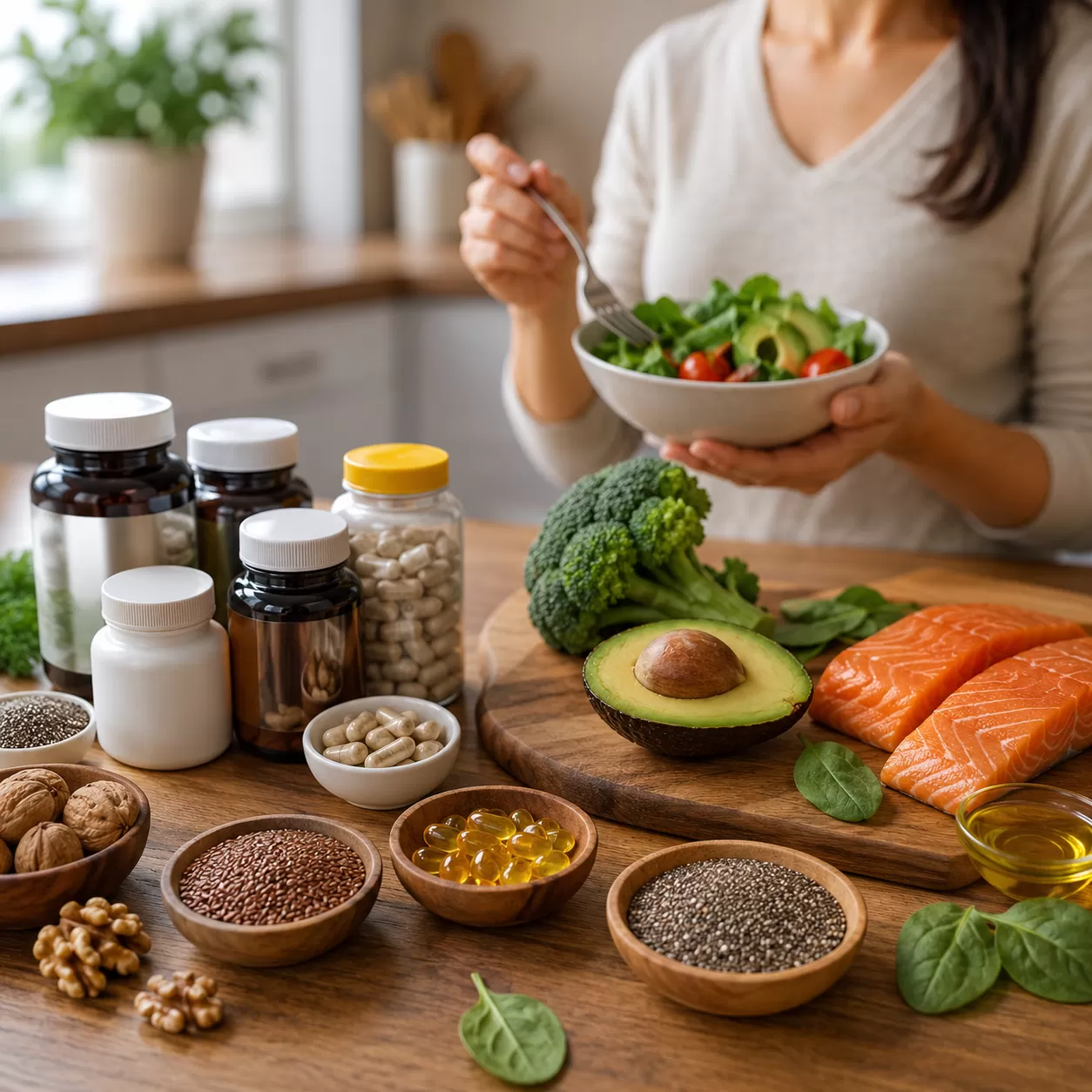
If you’re taking the best supplements to lower cholesterol, your lifestyle is the gas pedal. Supplements help, but diet, movement, stress, and sleep are what really move your LDL, HDL, and triglycerides in the right direction.
The 80/20 Rule: Diet + Exercise First
I treat it like this:
- 80% of your results: food + daily movement
- 20% of your results: supplements (plant sterols, psyllium husk, berberine, omega-3, etc.)
If you live in the U.S., you’re dealing with:
- Big portions
- Processed snacks
- High-sugar drinks
So I keep it simple:
Focus on:
- More: veggies, beans, oats, barley, lentils, nuts, seeds, olive oil, fish
- Less: fried foods, fast food, processed meats, sugary drinks, pastries
Sample 7-Day Cholesterol-Friendly Meal Plan (Quick View)
Use this as a plug-and-play template with your supplements:
Breakfast ideas (rotate):
- Oatmeal + ground flaxseed + berries + cinnamon
- Whole-grain toast + avocado + egg
- Greek yogurt + walnuts + blueberries
Lunch ideas:
- Big salad (mixed greens, beans, veggies) + olive oil dressing
- Turkey or hummus whole-grain wrap + side of baby carrots
- Leftover grilled salmon + quinoa + broccoli
Dinner ideas:
- Baked salmon or trout + roasted veggies + brown rice
- Chicken or tofu stir-fry with veggies + soba or brown rice
- Bean chili + side salad + whole-grain bread
Snack ideas:
- Apple + peanut butter
- Handful of nuts
- Veggies + hummus
This style of eating pairs perfectly with soluble fiber for high cholesterol, omega-3 and triglycerides, and plant sterols benefits.
Exercise Routine That Boosts Cholesterol Results
You don’t need a gym membership. You need consistency.
Aim for:
Weekly minimum:
-
150 minutes of moderate cardio
- Brisk walking
- Easy jogging
- Cycling
- Elliptical
-
2–3 strength sessions
- Bodyweight: squats, push-ups, lunges, planks
- Light dumbbells or resistance bands
Easy structure:
- Mon–Fri: 30 minutes brisk walking
- Tue/Thu/Sat: 15–20 minutes strength after your walk
Regular movement:
- Lowers LDL
- Raises HDL
- Supports everything your cholesterol management supplements are trying to do
Stress and Sleep: The Overlooked Cholesterol Triggers
High stress and poor sleep quietly raise cholesterol, blood pressure, and cravings.
For stress (daily):
- 5–10 minutes of deep breathing or a short guided meditation
- Short walk breaks during the workday
- Set limits on late-night email and social media
For sleep (target 7–9 hours):
- Go to bed and wake up at roughly the same time
- No heavy meals or alcohol right before bed
- Dim lights and avoid screens 30–60 minutes before sleep
Good sleep makes it easier to:
- Stick to your natural ways to lower cholesterol
- Take your supplements (like berberine, red yeast rice, or niacin) consistently
- Avoid stress eating
Dialing in these habits turns your best supplements to lower cholesterol from “maybe helpful” into “seriously effective.”
FAQs: Best Supplements to Lower Cholesterol
Can I take supplements with my prescribed statins?
You can sometimes stack the best supplements to lower cholesterol with statins, but you should never do it blindly.
-
Always clear it with your doctor first, especially if you’re on:
- Atorvastatin, simvastatin, rosuvastatin, or other statins
- Blood thinners (like warfarin, Eliquis)
- Diabetes meds
-
Higher‑risk combos that need medical supervision:
- Red yeast rice + statin (can double up statin effects, raise risk of muscle pain, liver issues)
- Niacin + statin (can increase flushing, liver stress, muscle problems)
- Berberine + statin (may affect how the liver processes drugs)
Safer add‑ons—when approved by your provider—usually include:
- Soluble fiber (psyllium husk)
- Plant sterols and stanols
- Omega‑3 fish oil
- Ground flaxseed
Even with “natural ways to lower cholesterol,” I treat everything like a real drug: I check labs, I watch for side effects, and I don’t stack supplements just because they’re popular.