Best Supplements for Men over 50

Short answer: for most men over 50, the supplements worth a conversation with a doctor are vitamin D3, magnesium, an omega-3, an essential amino acid blend when protein is hard to hit, and a calcium plan that includes vitamin K2. None of them replaces food, sleep or resistance work — they simply support the systems that shift fastest after 50: muscle mass, bone density and recovery capacity.
The honest version of this question is not “what should I add?” but “what is actually declining?” Men in their fifties rarely have one dramatic deficiency. They have a slow drift: less muscle, thinner bones, lower vitamin D, and a longer recovery window after a hard week. That drift is what healthy aging looks like in practice, and it is exactly what a small, well-chosen routine can influence.
Why nutrient needs shift after 50
Four changes matter most when you are choosing what to take.
- Appetite and protein. Total calorie needs fall with age, and protein often falls with them. When protein slides, muscle mass follows.
- Skin synthesis and absorption. Older skin makes vitamin D3 less efficiently from sunlight, and stomach acid production tends to decline, which affects how well some minerals are absorbed.
- Muscle and bone turnover. From the fifties onward, breakdown outpaces rebuilding unless it is deliberately opposed. That is the mechanism behind sarcopenia, the age-related loss of muscle, and behind quiet bone loss.
- Recovery capacity. Sleep quality, hydration and how well you manage inflammation all set the speed at which you bounce back. Recovery capacity is what stops a hard week from compounding.
The shortlist: five that earn their place
Everything below has a clear job and a clear way to tell whether it is working. If a product cannot answer “what is this for and how would I know?”, it does not belong in the cabinet.
| Supplement | What it supports | Practical form | Watch-outs |
|---|---|---|---|
| Vitamin D3 | Bone health, muscle function, immune signalling | 1,000–2,000 IU daily with fat | Dose on blood work, not guesswork; very high doses need supervision |
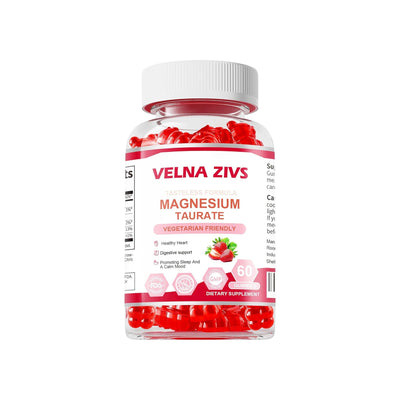
| Magnesium | Muscle relaxation, sleep, hundreds of enzyme reactions | Chelated forms such as glycinate or taurate | Oxide is cheap but poorly absorbed and can loosen stools |
| Omega-3 (EPA/DHA) | Heart and blood vessel support, joint comfort | 1–2 g combined EPA+DHA daily | Check with a clinician if you take blood thinners |
| Essential amino acids | Muscle mass when appetite or protein is low | Powder, liquid or gummies between meals | Count it as part of protein, not on top of a full target |
| Calcium with vitamin K2 | Bone strength and where calcium is directed | Food first, then 500 mg supplemental calcium | Split doses; K2 matters if you are on anticoagulants — ask first |
Key takeaways
- Five categories cover most of the gap after 50: vitamin D3, a chelated magnesium, omega-3s, essential amino acids for muscle mass, and calcium paired with vitamin K2.
- Bone density and muscle mass are the two markers that respond most reliably to a consistent routine, and both need protein and load, not just pills.
- Mineral pairing matters: calcium absorption depends on vitamin D status, and vitamin K2 is part of how calcium is directed toward bone rather than soft tissue.
- Track something. Energy, sleep, grip strength or how you feel after a hard walk are all more useful than a shelf of unopened bottles.
- Any medication list changes the answer. Blood thinners, blood pressure medicines and thyroid treatment all interact with common supplements.
Vitamin K2, calcium and where they meet
Calcium is the raw material for bone remodeling, but raw material alone does not decide where it ends up. Vitamin D3 supports calcium absorption from the gut. Vitamin K2 activates proteins that help bind calcium into bone matrix. That is the mineral pairing that makes a calcium supplement worth taking rather than simply swallowed. Men over 50 who take a calcium supplement without any K2 or D3 are usually building the least interesting half of the story.
How to choose forms that are actually absorbed
Form decides more than dose. Magnesium oxide is the cheapest and the least available to the body; glycinate, citrate and taurate are better absorbed and gentler on the gut. For omega-3s, look for a stated EPA and DHA total rather than a “fish oil” number, because that larger figure can be mostly filler. For amino acids, a blend that lists all nine essential amino acids with leucine included is more useful than a single amino acid sold for muscle mass.
What to check before you buy
Read the supplement label the way you would read a food label. Look for a full ingredient list with amounts per serving, no proprietary blend hiding the doses, third party testing on the label, and an expiration date you can actually read. Bioavailability claims should be specific, not decorative. And a structure function claim like “supports bone health” is a legal way of describing what a nutrient does — it is not a promise to prevent anything.
Making it a rhythm, not a pile of bottles
The routine that survives is the boring one: D3 and omega-3 with breakfast, magnesium in the evening, calcium split across two meals, and amino acids on the days when eating well did not happen. Pair it with two walks, two sessions with weights, and a protein source at every meal. Men who do that for twelve weeks usually notice the same things first — steadier energy in the late afternoon, better sleep, and a shorter recovery tail after effort. Those are the early signals of healthy years being protected, one ordinary day at a time.

Frequently asked questions
Do men over 50 really need a multivitamin?
Most do not. A general multivitamin tends to deliver small amounts of many nutrients, which is fine as insurance but rarely enough to correct a specific gap. It is usually more useful to identify what is actually low — vitamin D status, protein intake, magnesium — and address those directly rather than spreading the same money across twenty ingredients.
What is the single most important supplement after 50?
If one had to be chosen, vitamin D3 is the most defensible, because low vitamin D status is common, hard to correct through diet alone, and measurable on a blood test. Magnesium and omega-3s are close behind. None of them should displace protein, movement and sleep, which do more for muscle mass and bone density than any capsule.
Should I take calcium if I already eat dairy?
Probably not, or only a small top-up. Dairy, fortified plant milks, tinned fish with bones and leafy greens cover a large share of the roughly 1,000–1,200 mg adults need daily. Estimate your intake from a normal week first. If you do supplement, keep doses near 500 mg and pair them with vitamin D3 and a vitamin K2 source.
Can I take all of these at the same time?
They can be spread across the day without much trouble. Fat-soluble nutrients such as vitamin D3 and omega-3s are better with a meal that contains fat. Magnesium suits the evening. Calcium absorbs better in split doses. If you take prescription medication, check timing and interactions with a pharmacist — that conversation costs nothing and prevents most avoidable problems.
Related supplements
If you want to explore this area, the Antioxidant Support and Health Benefits collections cover the relevant supplements and formats.
These statements have not been evaluated by the Food and Drug Administration. This product is not intended to diagnose, treat, cure, or prevent any disease. Talk to a healthcare professional before starting any new supplement, especially if you are pregnant, nursing, taking medication, or managing a health condition.
These statements have not been evaluated by the Food and Drug Administration. This product is not intended to diagnose, treat, cure, or prevent any disease.