Best Supplements for Healthy Cholesterol, Naturally
Learn what supplement is best for lowering cholesterol with science based tips and natural heart health support

>Understanding Cholesterol and Its Impact on Health<
> <>When people ask, <>“<>what supplement is best for supporting healthy cholesterol levels<>?”<>, I always start here: you can’t fix what you don’t understand.<
> <>What is cholesterol?<
> <>Cholesterol isn’t all bad. Your body actually needs it. The problem is <>how much<> you have and <>what kind<>.<
> <- >
<
- >
<
><>LDL cholesterol (low-density lipoprotein)<><
> <
>Often called <>“bad” cholesterol<>.<- >
<
- >When LDL is high, it can stick to your artery walls.< > <
- >Over time, this forms <>plaque<>, narrowing blood vessels and raising your risk of <>heart attack and stroke<>.< > <
>
< - >
<
><>HDL cholesterol (high-density lipoprotein)<><
> <
>Known as <>“good” cholesterol<>.<- >
<
- >HDL acts like a cleanup crew, carrying extra cholesterol out of the bloodstream.< > <
- >Higher HDL is usually linked to <>better heart health<>.< > <
>
< - >
<
><>Triglycerides<><
> <
>These are a type of <>fat in your blood<>.<- >
<
- >High triglycerides often go hand in hand with belly fat, prediabetes, or a high-sugar diet.< > <
- >When triglycerides and LDL are both high, your <>cardiovascular risk jumps<>.< > <
>
<
>How high cholesterol harms your body<
> <>When LDL and triglycerides run high and HDL runs low, a few things start happening:<
> <- >
<
- > <>Plaque buildup<> inside arteries (atherosclerosis)< > <
- > <>Stiff, narrow blood vessels<>, making your heart work harder< > <
- >Higher risk of:
<
- >
<
- ><>Heart disease<>< > <
- ><>Heart attack<>< > <
- ><>Stroke<>< > <
- >Poor circulation, especially in legs< > <
>
<
>You usually don’t <>feel<> high cholesterol—no pain, no obvious symptoms. That’s why labs and regular check-ups matter.<
> <>Common causes of high cholesterol<
> <>Most people in the U.S. land in trouble because of a mix of:<
> <- >
<
- >
<
><>Diet<><
> <- >
<
- >Lots of <>fried foods<>, processed snacks, fast food< > <
- >High <>saturated fats<> (fatty red meats, full-fat dairy)< > <
- >Too much <>sugar and refined carbs<> (white bread, pastries)< > <
>
< - >
<
><>Lifestyle<><
> <- >
<
- ><>Sitting most of the day<>< > <
- >Little or no structured exercise< > <
- > <>Smoking<> and regular heavy drinking< > <
>
< - >
<
><>Genetics<><
> <- >
<
- >Some people have <>familial high cholesterol<> (runs in the family)< > <
- >Even with a decent diet, their numbers stay high without treatment< > <
>
<
>Where supplements fit in<
> <>If you’re searching for <>cholesterol-support supplements<> or <>natural ways to support healthy LDL levels<>, you’re not alone. A lot of our customers come to us wanting:<
> <- >
<
- > <>More natural options<> to support their heart health< > <
- > <>Add-ons<> to diet and exercise, not a magic cure< > <
- > <>Evidence-based supplements<> they can trust< > <
>Here’s my stance:<
> <- >
<
- >
<
><>Supplements can help<>:<
> <
>Certain options like <>omega-3<>, <>plant sterols<>, <>red yeast rice<>, <>soluble fiber<>, and <>niacin<> can support:<- >
<
- >Lower <>LDL (“bad”) cholesterol<> < > <
- >Better <>triglyceride<> levels< > <
- >Improved overall <>heart health<> < > <
>
< - >
<
><>They are not a replacement for medical care<>:<
> <- >
<
- >If you already have <>heart disease<>, diabetes, or very high cholesterol, you need a <>healthcare provider<> in the loop.< > <
- >Some “natural” products can <>interact with medications<> or cause side effects.< > <
>
<
>My goal with well&whole is simple: give you <>practical, safe, and honest<> options so you can combine <>smart supplements, real food, and sustainable habits<> to protect your heart for the long run.<
> <>Top Supplements for Lowering Cholesterol (What Really Works)<
> <>< ><
><
>When people ask <>“what supplement is best for supporting healthy cholesterol levels?”<>, I usually point them to a short list that’s actually backed by research. Here’s what’s worth considering and how each one works.<
> <> <
>Omega-3 Fatty Acids (Fish Oil) – Heart Health Essential<
> <><>How it works (simple version):<><
>Omega‑3s (EPA/DHA) don’t usually drop LDL a lot, but they can:<
- >
<
- >Lower <>triglycerides<> (often by 20–30% at higher doses)< > <
- >Help reduce <>inflammation<> < > <
- >Support overall <>heart health<> < > <
><>Typical dosage (for adults in the U.S.):<><
> <- >
<
- >General heart health: <>1,000 mg combined EPA+DHA per day<> < > <
- >High triglycerides (under MD guidance): <>2,000–4,000 mg EPA+DHA per day<>, often prescription strength< > <
><>Evidence:<><
>Dozens of large studies show omega‑3s can lower triglycerides and support heart health. Prescription omega‑3s are FDA-approved for very high triglycerides.<
><>Possible side effects:<><
> <- >
<
- >Fishy aftertaste or burps< > <
- >Mild stomach upset or loose stool< > <
- >At higher doses: can slightly increase bleeding risk (important if you’re on blood thinners)< > <
> <
>Plant Sterols and Stanols – Direct LDL Reducers<
> <><>How they work:<><
>Plant sterols/stanols <>block cholesterol absorption<> in your gut. Less cholesterol absorbed = less LDL in your blood.<
><>Typical dosage:<><
> <- >
<
- > <>1.5–3 g per day<> (1,500–3,000 mg), split with meals< > <
><>What the research shows:<><
> <- >
<
- >Can lower <>LDL by about 5–15%<> < > <
- >Work best when combined with a <>heart‑healthy diet<> < > <
><>Side effects:<><
> <- >
<
- >Generally well-tolerated< > <
- >Rare: mild digestive issues (gas, bloating)< > <
>You’ll find plant sterols in some fortified margarines, yogurts, and <>cholesterol-support supplements<>.<
> <> <
>Red Yeast Rice – Powerful but Needs Caution<
> <><>How it works:<><
>Red yeast rice contains compounds similar to <>statin drugs<> (like lovastatin). It <>blocks cholesterol production in the liver<>, which can meaningfully support healthy LDL levels.<
><>Typical dosage:<><
> <- >
<
- >Common: <>1,200–2,400 mg per day<> (split into 2 doses)< > <
- >Very important: stick to <>high‑quality, third‑party tested brands<> to avoid contaminants.< > <
><>Evidence:<><
> <- >
<
- >Multiple studies show <>LDL reductions of 15–25%<> in some people.< > <
- >It’s considered one of the <>most effective natural LDL-lowering supplements<>.< > <
><>Serious warnings:<><
> <- >
<
- >Can cause <>muscle pain, liver issues<>, and drug interactions (just like statins).< > <
- >Some cheaper products may contain <>citrinin<>, a kidney toxin.< > <
- >Not for pregnancy, breastfeeding, or people already on statins or multiple meds.< > <
- >You should <>only use it under medical supervision<> and with regular lab checks.< > <
> <
>Soluble Fiber (Psyllium Husk) – Simple and Effective<
> <><>How it works:<><
>Soluble fiber from <>psyllium husk<> binds cholesterol in the gut and helps remove it. It also:<
- >
<
- >Helps <>support healthy LDL levels<> < > <
- >Supports <>blood sugar control<> < > <
- >Improves <>digestion<> and regularity< > <
><>Typical dosage:<><
> <- >
<
- > <>7–10 g of soluble fiber per day<> from psyllium (often 1–2 rounded teaspoons 1–3 times daily with plenty of water)< > <
><>Evidence:<><
> <- >
<
- >Studies show about <>5–10% LDL reduction<> < > <
- >Works best when used daily and combined with a <>cholesterol-support diet<> < > <
><>Side effects:<><
> <- >
<
- >Gas, bloating, or fullness at first< > <
- >Needs <>lots of water<> to avoid choking or constipation< > <
- >Take at least <>2 hours apart<> from some meds, as fiber can affect absorption< > <
> <
>Niacin (Vitamin B3) – Not for Everyone<
> <><>How it works:<><
> <- >
<
- >Can <>raise HDL (“good” cholesterol)<> and lower triglycerides< > <
- >Modestly supports healthy LDL levels, but the <>HDL boost<> is the main effect< > <
><>Typical dosage (only under medical care):<><
> <- >
<
- >Much higher than multivitamin levels: often <>1,000–2,000 mg per day<> (extended-release prescription niacin)< > <
- >“No-flush” niacin isn’t the same and doesn’t work the same way< > <
><>Evidence:<><
> <- >
<
- >Older studies showed benefits; newer ones are mixed, especially <>on top of statins<> < > <
- >Because of side effects, niacin is used much less now in standard practice< > <
><>Precautions and side effects:<><
> <- >
<
- > <>Flushing<> (red, hot, itchy skin)< > <
- >Can worsen <>liver function<>, <>blood sugar<>, and <>uric acid<> (gout)< > <
- >Absolutely needs <>doctor supervision<>, especially if you have diabetes, liver disease, or gout< > <
> <
>Quick Comparison: What Supplement Is Best for Lowering Cholesterol?<
> <>Use this as a <>high-level guide<> (talk to your doctor before choosing):<
> <| >Supplement< | > <>Main Effect on Cholesterol< | > <>Typical LDL Impact< | > <>Key Side Effects< | > <>Cost (U.S.)< | > <>Accessibility< | > <
|---|---|---|---|---|---|
| ><>Omega‑3 (Fish Oil)<>< | > <>↓ Triglycerides, heart health< | > <>Small ↓ LDL< | > <>Fishy burps, mild GI, bleed risk< | > <>Low–Medium< | > <>Very easy (stores/online)< | > <
| ><>Plant Sterols/Stanols<>< | > <>↓ LDL by blocking absorption< | > <>Moderate ↓ (5–15%)< | > <>Mild gas/bloating< | > <>Low–Medium< | > <>Easy (foods & supplements)< | > <
| ><>Red Yeast Rice<>< | > <>Strong LDL lowering (statin-like)< | > <>Large ↓ (15–25%)< | > <>Muscle pain, liver issues, drug interactions< | > <>Low–Medium (varies by quality)< | > <>Easy, but quality varies< | > <
| ><>Psyllium (Soluble Fiber)<>< | > <>↓ LDL, improves digestion< | > <>Mild–Moderate ↓< | > <>Gas, bloating, needs water< | > <>Very low< | > <>Very easy (grocery/pharmacy)< | > <
| ><>Niacin (B3)<>< | > <>↑ HDL, ↓ triglycerides, some ↓ LDL< | > <>Mild–Moderate ↓< | > <>Flushing, liver stress, sugar changes< | > <>Medium–High (effective forms)< | > <>Usually via prescription< | > <
><>Bottom line:<><
> <- >
<
- >
<
>For most people asking <>“what supplement is best for supporting healthy cholesterol levels?”<>, the <>safest starting points<> are usually:<
> <- >
<
- ><>Psyllium (soluble fiber)<>< > <
- ><>Plant sterols/stanols<>< > <
- > <>High‑quality omega‑3 fish oil<> (especially for high triglycerides)< > <
>
< - >
<
><>Red yeast rice<> and <>niacin<> can be powerful, but they’re closer to <>drug-level treatments<> and should only be used with guidance from a healthcare provider in the U.S.<
> < >
<
>How to choose the right cholesterol-support supplement<
> <>Talk to your doctor first<
> <>Before you grab any cholesterol-support supplements, I always tell people to do one thing first: <>loop in your healthcare provider<>.<
>They need to know if you’re adding:<
- >
<
- ><>Omega-3 fish oil<>< > <
- ><>Red yeast rice<>< > <
- ><>Niacin<>< > <
- ><>Plant sterols<>< > <
- ><>Soluble fiber (like psyllium)<>< > <
>Why it matters:<
> <- >
<
- >Some supplements act like mild prescription drugs (especially red yeast rice).< > <
- >They can <>interact with statins, blood pressure meds, blood thinners, and diabetes meds<>.< > <
- >Your doctor can match the supplement to your <>LDL, HDL, triglycerides, and overall risk<>.< > <
> <
>What to consider before you choose<
> <>Key factors I look at when helping someone pick the best natural cholesterol remedy:<
> <- >
<
- >
<>Your cholesterol numbers<>
<
- >
<
- >High LDL? → Plant sterols, red yeast rice, soluble fiber< > <
- >High triglycerides? → Omega-3 fatty acids (fish oil)< > <
- >Low HDL? → Lifestyle first; sometimes niacin, under supervision< > <
>
< - >
<>Your health conditions<>
<
- >
<
- >Liver issues → Be careful with red yeast rice and niacin< > <
- >Kidney disease, diabetes, thyroid problems → Always get medical clearance< > <
>
< - >
<>Your current meds<>
<
- >
<
- >On statins? → Red yeast rice can double up and raise side effects< > <
- >On blood thinners? → High-dose fish oil needs a doctor’s eye< > <
>
<
> <
>How to pick safe, high-quality supplements<
> <>I run well&whole with a simple rule: if I wouldn’t take it myself, I won’t put it on the shelf. When you shop for cholesterol-support supplements in the U.S., look for:<
> <- >
<
- >
<>Third-party testing<>
<
- >
<
- >NSF, USP, Informed-Choice, or similar marks< > <
>
< - >
<>Transparent labels<>
<
- >
<
- >Clear dose per serving< > <
- >No “proprietary blend” hiding ingredients< > <
>
< - >
<>Reputable brands<>
<
- >
<
- >Consistent testing for <>purity, potency, and heavy metals<> < > <
>
< - >
<>Realistic claims<>
<
- >
<
- >“Supports healthy cholesterol” = honest< > <
- >“Cures high cholesterol in 7 days” = skip it< > <
>
<
>Here’s a quick snapshot of what I’d consider:<
> <| >Checkpoint< | > <>What I Recommend Looking For< | > <
|---|---|
| >Certification< | > <><>NSF, USP, or other third-party tested<>< | > <
| >Source & dose clarity< | > <>Exact mg per serving, no hidden blends< | > <
| >Brand reputation< | > <>Long-term U.S. presence, clear contact info< | > <
| >Extra ingredients< | > <>Minimal fillers, no shady additives< | > <
>At well&whole, we design formulas around this exact checklist so you don’t have to guess.<
> <> <
>Combine supplements with diet and exercise<
> <>Supplements for high cholesterol work best when the basics are handled. I never position a capsule as a shortcut.<
> <>Pair your cholesterol-support supplements with:<
> <- >
<
- >
<>Diet changes<>
<
- >
<
- >More: oats, beans, nuts, olive oil, fatty fish< > <
- >Less: fried foods, processed meats, full-fat dairy< > <
>
< - >
<>Movement<>
<
- >
<
- >Aim for <>150 minutes/week<> of brisk walking, cycling, or light jogging< > <
>
< - >
<>Daily habits<>
<
- >
<
- >Don’t smoke< > <
- >Keep alcohol moderate< > <
- >Sleep 7–8 hours< > <
>
<
>Putting it all together:<
> <- >
<
- ><>Supplements = support<>< > <
- ><>Diet + exercise = foundation<>< > <
- ><>Doctor = safety net<>< > <
>That’s the combo I build around at well&whole for a realistic, holistic cholesterol solution.<
> <>Lifestyle changes to support cholesterol management<
> <>When people ask <>what supplement is best for supporting healthy cholesterol levels<>, I always say this: no supplement can beat consistent lifestyle changes. Here’s what I focus on with customers at well&whole.<
> <>Diet tips for support healthy cholesterol levels<
> <>Build a simple, heart-healthy plate most days:<
> <- >
<
- >
<>Eat more soluble fiber<>
<
- >
<
- >Oats and oat bran< > <
- >Beans and lentils< > <
- >Apples, berries, pears< > <
- >Ground flaxseed and chia< > <
>
< - >
<>Add healthy fats<>
<
- >
<
- >Avocados< > <
- >Nuts (walnuts, almonds, pistachios)< > <
- >Seeds (chia, flax, pumpkin)< > <
- >Olive or avocado oil instead of butter< > <
>
< - >
<>Cut back on:<>
<
- >
<
- >Fatty red meats, bacon, sausage< > <
- >Full‑fat dairy (swap to low‑fat or plant-based)< > <
- >Fried fast food and heavily processed snacks< > <
>
<
>These basic cholesterol-support diet tips make any supplement work better.<
> <>Exercise for heart health<
> <>Aim for <>150 minutes of moderate exercise per week<> (about 30 minutes, 5 days a week):<
> <- >
<
- >Brisk walking around your neighborhood or local park< > <
- >Light jogging or cycling< > <
- >Swimming or water aerobics< > <
- >Fitness classes or at‑home workout videos< > <
>If 30 minutes feels like a lot, break it into <>10–15 minute blocks<>. Consistency matters more than perfection.<
> <>Stress management and cholesterol<
> <>Chronic stress can raise inflammation, push you toward comfort eating, and indirectly worsen cholesterol. I tell people to treat stress like any other risk factor:<
> <- >
<
- >Try <>yoga, stretching, or breathing exercises<> 5–10 minutes a day< > <
- >Use simple <>meditation apps<> or quiet time before bed< > <
- >Take short outdoor walks during the day< > <
- >Protect sleep: aim for <>7–9 hours<> most nights< > <
>Even small stress-management habits support natural ways to support healthy LDL levels and protect your heart.<
> <>Regular check-ups and labs<
> <>To know if your cholesterol-support supplements and lifestyle changes are working:<
> <- >
<
- >Get a <>fasting lipid panel<> as often as your provider recommends< > <
- >Track <>total cholesterol, LDL, HDL, and triglycerides<> < > <
- >Keep a simple log of changes you make (diet, exercise, supplements) and share it with your doctor< > <
>Regular testing keeps you safe and helps you and your provider adjust your plan.<
> <>How well&whole fits into a holistic plan<
> <>At well&whole, I build everything around a <>balanced, holistic approach<>:<
> <- >
<
- >Focus on <>food first<>, with practical heart health tips that work in real U.S. lifestyles< > <
- >Offer <>carefully selected, third‑party tested supplements<> to support cholesterol management, not replace medical care< > <
- >Encourage <>simple, realistic habits<> that match your schedule, budget, and culture< > <
>Supplements can help, but your daily choices—what you eat, how you move, and how you handle stress—do the heavy lifting for long-term cholesterol and heart health.<
> <>FAQs: what supplement is best for supporting healthy cholesterol levels?<
> <>Can supplements replace cholesterol-support medications?<
> <>No. <>Cholesterol-lowering supplements<> are support tools, not stand-ins for prescriptions.<
> <- >
<
- >If your doctor put you on a <>statin<> or other drug, don’t stop it for a “natural” option without medical guidance.< > <
- >For some people with <>mildly high LDL<>, lifestyle + the <>best natural cholesterol remedies<> (like <>omega-3<>, <>plant sterols<>, <>soluble fiber<>) may be enough.< > <
- >For those with <>very high LDL, heart disease, diabetes, or strong family history<>, meds are often non‑negotiable.< > <
>Bottom line: I treat supplements as <>add‑ons<> to what your cardiologist or primary care provider recommends, not replacements.<
> <> <
>How long does it take for supplements to support healthy cholesterol levels?<
> <>Most <>supplements for high cholesterol<> need <>8–12 weeks<> of steady use to show real changes on lab work.<
> <>Typical timelines:<
> <- >
<
- > <>Plant sterols / stanols<>: 4–8 weeks for LDL change< > <
- > <>Soluble fiber (psyllium husk)<>: 4–12 weeks< > <
- > <>Omega-3 for heart health<>: helps triglycerides in 4–12 weeks< > <
- > <>Red yeast rice<>: often 4–8 weeks (must be monitored)< > <
- > <>Niacin<>: 4–12 weeks for HDL and triglycerides< > <
>Always recheck your <>lipid panel<> about <>3 months<> after starting any cholesterol-support supplement.<
> <> <
>Are there risks to taking cholesterol-support supplements?<
> <>Yes. <>“Natural” doesn’t mean risk‑free.<><
> <>Key things to watch:<
> <- >
<
- >
<>Red yeast rice<>
<
- >
<
- >Can act like a low‑dose statin< > <
- >Risk of <>muscle pain, liver stress, and drug interactions<> < > <
- >Quality varies a lot in the U.S.< > <
>
< - >
<>Niacin (vitamin B3)<>
<
- >
<
- >Flushing, itching, upset stomach< > <
- >At higher doses: <>liver issues, blood sugar changes, gout<> < > <
>
< - >
<>Omega-3 fish oil<>
<
- >
<
- >Fishy aftertaste, mild GI upset< > <
- >High doses: may slightly increase <>bleeding risk<>, especially with blood thinners< > <
>
< - >
<>Psyllium and other soluble fiber<>
<
- >
<
- >Gas, bloating if you ramp up too fast< > <
- >Need plenty of water< > <
>
< - >
<>Plant sterols<>
<
- >
<
- >Generally safe, but can possibly lower carotenoids (plant antioxidants) a bit< > <
>
<
>Always tell your provider everything you take—supplements, herbs, powders, all of it—so they can flag <>interactions and side effects<>.<
> <> <
>What’s the best time of day to take these supplements?<
> <>For most <>heart health supplements<>, consistency matters more than the exact time, but here’s what usually works best:<
> <- >
<
- >
<>Omega-3 fish oil<>:
<
- >
<
- >With a <>meal that has some fat<> (breakfast or dinner) for better absorption and less fishy burps.< > <
>
< - >
<>Plant sterols / stanols<>:
<
- >
<
- >With <>meals<>, especially those with fat, since they block cholesterol absorption from food.< > <
>
< - >
<>Psyllium husk (soluble fiber)<>:
<
- >
<
- >30 minutes <>before meals<> with plenty of water.< > <
- >Avoid taking it at the exact same time as meds—separate by at least <>2 hours<>.< > <
>
< - >
<>Red yeast rice<>:
<
- >
<
- >Often taken in the <>evening with food<>, but follow your doctor’s specific advice since it behaves like a statin.< > <
>
< - >
<>Niacin<>:
<
- >
<
- >With <>food<> to reduce flushing; some people take it at <>night<> so any flushing happens while they sleep.< > <
>
<
>Whatever you choose as the <>best supplement for supporting healthy cholesterol levels<>, lock in a routine, pair it with <>diet and exercise<>, and follow up with regular <>cholesterol tests<> to see if it’s actually working.<
> <>Related supplements<
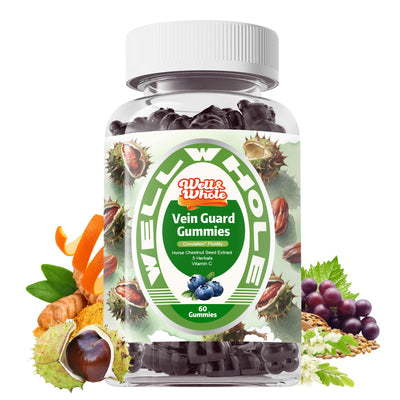
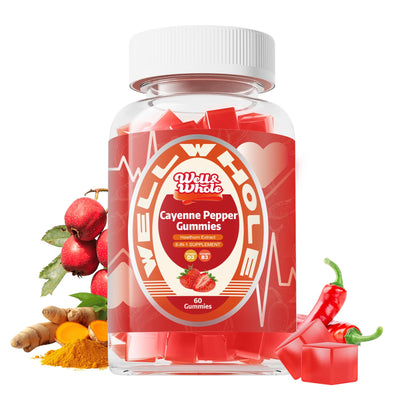
> <>Should you decide to supplement, <>well&whole Horse Chestnut Extract Gummies, Circulation Supplements for Legs<> and <>Cayenne Pepper Heart Health Gummies with Hawthorn & CoQ10 & Turmeric<> are our formulation for this purpose. For a broader comparison, see the <>Heart Health<> and <>CoQ10<> collections.<
These statements have not been evaluated by the Food and Drug Administration. This product is not intended to diagnose, treat, cure, or prevent any disease.