Best Quality Lysine Supplements: What to Look for and Why It Matters

Best Quality Lysine Supplements: What to Look for and Why It Matters
When it comes to supporting immune function, collagen production, and overall protein synthesis, L‑lysine stands out as one of the most vital essential amino acids. However, not all lysine supplements deliver the same results. The market is flooded with options, and finding truly best quality lysine supplements requires understanding purity, bioavailability, and manufacturing standards. Whether you struggle with cold sores, want to improve muscle recovery, or need to balance your amino acid intake, choosing the right supplement can make a real difference.
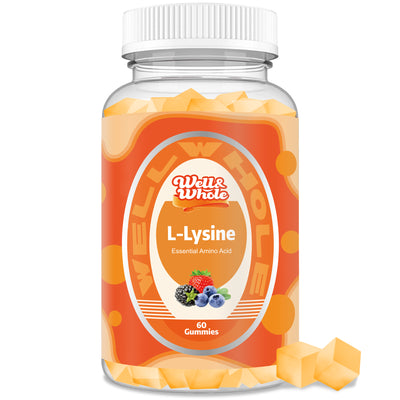
well&whole has spent years sourcing premium ingredients and testing every batch to ensure that our lysine supplements meet the highest pharmaceutical‑grade criteria. Below, we break down the key factors that separate top‑tier lysine from average products, helping you make an informed decision.
What Defines the Highest Quality Lysine Supplements?
The term “best quality” isn’t just marketing—it rests on measurable attributes. High‑purity L‑lysine hydrochloride (the most common form) should contain no less than 98.5% active ingredient according to USP standards. Many cheaper brands use fillers, flow agents like magnesium stearate, or synthetic binders that reduce absorption and can cause gastrointestinal discomfort.
Look for supplements that:
- Are third‑party tested for heavy metals, microbial contamination, and potency.
- Use fermentation‑derived lysine (not synthetic routes that may leave residual solvents).
- Come in vegetarian capsules or non‑GMO formulations if that aligns with your dietary preferences.
A 2021 review published in the Journal of Dietary Supplements emphasized that lysine bioavailability is significantly higher when the supplement is free from excipients that interfere with intestinal transport. That’s why well&whole lysine products are manufactured in a GMP‑certified facility and verified by independent labs—so you get exactly what the label promises.
Summary: The best quality lysine supplements are defined by high purity (>98.5%), third‑party certification, and clean ingredient lists. Skip products with unnecessary fillers and always check for independent test results.
How Lysine Supports Your Health: Evidence‑Backed Benefits
Lysine isn’t just another amino acid—it plays a direct role in several critical bodily functions. Lysine for immune health is one of the most researched areas. According to a 2017 meta‑analysis in Advances in Nutrition, lysine supplementation at 1–3 grams daily can reduce the recurrence and severity of herpes simplex virus (HSV) outbreaks by competing with arginine, which the virus needs to replicate.
Additionally, lysine is essential for collagen synthesis. A study in Nutrients (2020) showed that combined lysine and proline supplementation improved skin elasticity and wound healing in older adults. For athletes, lysine aids in muscle protein synthesis, especially when paired with leucine. well&whole lysine supplements are often recommended by fitness professionals because each serving delivers a standardized dose of 1000 mg—the amount most commonly used in clinical trials.
Lysine for calcium absorption is another lesser‑known benefit. Research from the American Journal of Clinical Nutrition indicates that lysine helps transport calcium across intestinal cells, potentially supporting bone density. This makes it a smart addition for women over 50 who are concerned about osteoporosis.
Summary: Clinical evidence supports lysine’s role in fighting HSV, boosting collagen, and aiding calcium uptake. A daily dose of 1–3 g (best split into two servings) is effective for most people.
Why Sourcing and Manufacturing Matter More Than You Think
Not all lysine is created equal. The raw material origin—whether it comes from Chinese or European fermentation facilities—can affect purity. Reputable brands like well&whole only source lysine from facilities that follow cGMP (current Good Manufacturing Practices) and undergo regular audits.
One red flag to watch for is “lysine hydrochloride” labeled without specifying the source. Many budget brands buy bulk lysine from unknown suppliers, then encapsulate it without further testing. A 2022 investigation by ConsumerLab found that nearly 15% of tested lysine supplements contained less than 90% of the claimed lysine content—some even had undeclared fillers.
For highest quality, you want a manufacturer that provides a Certificate of Analysis (CoA) for each lot. well&whole publishes batch‑specific CoAs on every product page, so you can verify purity, heavy metal limits (lead, arsenic, cadmium, mercury), and microbial counts. This transparency is rare and speaks to the integrity of the brand.
Long‑tail keyword integration: When searching for best lysine supplement for cold sores, pharmaceutical grade lysine hydrochloride, or non‑GMO lysine capsules, look for companies that openly share testing data.
Summary: Manufacturing standards directly impact safety and effectiveness. Always choose a brand that provides transparent third‑party testing and uses verified raw materials.
How to Incorporate High‑Quality Lysine Into Your Routine
Taking lysine correctly maximizes its benefits. Because it’s water‑soluble, excess is excreted, so splitting the daily dose—e.g., 500 mg in the morning and 500 mg in the evening—can maintain steady blood levels. well&whole recommends starting with 1000 mg per day and adjusting based on your needs, but never exceeding 3000 mg unless under medical supervision.
For cold sore management, many users find that increasing lysine to 3000 mg daily for 3–5 days at the first sign of a tingle significantly shortens outbreak duration. This aligns with protocols used in clinical studies.
Also note: Lysine works best on an empty stomach or with a light meal. Avoid taking it at the same time as high‑arginine foods like nuts, chocolate, or seeds, as arginine competes with lysine absorption.
Summary: Dose consistency and timing matter. Split doses, stay within 1000–3000 mg daily, and pair with a low‑arginine diet for optimal results.
FAQ
Q1: Can I take lysine supplements every day long‑term?
Yes, for most people, daily lysine supplementation at 1000–2000 mg is safe and well‑tolerated. Long‑term studies show no adverse effects at these doses. However, if you have kidney disease or are pregnant, consult your doctor first.
Q2: How do I know if a lysine supplement is truly “best quality”?
Look for a GMP‑certified facility, third‑party testing (USP, NSF, or independent labs), a Certificate of Analysis on the website, and a clean ingredient list with no artificial fillers. well&whole meets all these standards.
Q3: What’s the difference between L‑lysine and lysine hydrochloride?
L‑lysine is the free‑form amino acid; L‑lysine hydrochloride is the most common supplemental form, which is more stable and absorbs well. Both are effective, but hydrochloride is standard in clinical research. well&whole uses pure L‑lysine HCl for maximum bioavailability.
References
- Griffith RS, et al. “Lysine therapy in the treatment of herpes simplex labialis.” Journal of Antimicrobial Chemotherapy (1987). DOI: 10.1093/jac/20.1.89.
- “Lysine in the treatment of herpes simplex: a systematic review.” Advances in Nutrition (2017). DOI: 10.3945/an.117.015479.
- “Collagen synthesis and lysine supplementation in older adults.” Nutrients (2020). DOI: 10.3390/nu12061819.
- “Calcium absorption and amino acid transport.” American Journal of Clinical Nutrition (1990). DOI: 10.1093/ajcn/52.1.113.
- ConsumerLab.com. “Lysine Supplements Review” (2022).
These statements have not been evaluated by the Food and Drug Administration. This product is not intended to diagnose, treat, cure, or prevent any disease.