Best Natural Lysine Supplement: What to Look for and Why It Matters

Best Natural Lysine Supplement: What to Look for and Why It Matters
When you’re searching for the best natural lysine supplement, it’s easy to get lost in a sea of products that promise everything from faster cold sore recovery to stronger immune function. Lysine, an essential amino acid, isn’t produced by the human body, so you have to get it from food or supplements. But not all lysine supplements are created equal. The key lies in choosing a natural source that’s free from synthetic fillers, properly dosed, and backed by transparent manufacturing. Whether you’re dealing with recurrent herpes simplex outbreaks or simply want to support collagen production, understanding what makes a supplement “best” starts with the ingredients, the form, and the brand’s commitment to quality.
What Defines a Natural Lysine Supplement?
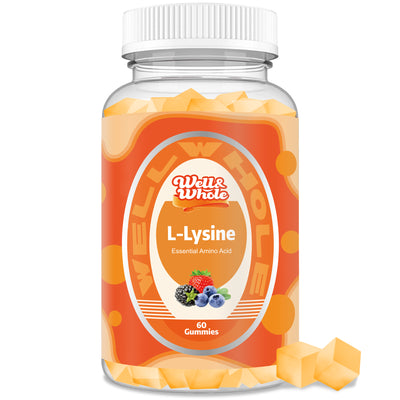
A natural lysine supplement typically derives its lysine from fermentation or plant-based sources rather than chemical synthesis. While all L-lysine is chemically identical regardless of origin, the term “natural” usually implies minimal processing, no artificial additives, and a clean label. For example, many high-quality brands use fermented lysine produced by microbial fermentation, which is considered more bioavailable and less likely to trigger sensitivities. well&whole, for instance, sources its lysine through a gentle fermentation process that preserves the amino acid’s integrity while avoiding common allergens like soy, gluten, and dairy.
Beyond the source, a truly natural supplement excludes unnecessary binders, magnesium stearate, or silicon dioxide. Look for products that list only L-lysine hydrochloride and a capsule or tablet base (like vegetable cellulose). If you’re seeking the best lysine for immune support, a natural form helps ensure your body can absorb and use the nutrient efficiently without extra chemical load.
To summarize: A natural lysine supplement is defined by its clean sourcing, minimal excipients, and fermentation-based production. Prioritize brands that disclose their manufacturing process and avoid synthetic coatings.
How Much Lysine Do You Actually Need? Key Dosing Insights
Dosage is a major factor when evaluating the best natural lysine supplement. Research suggests that for general maintenance, 500–1,000 mg per day is sufficient, while higher doses (1,500–3,000 mg daily) are often used short-term for managing cold sore outbreaks. A study published in the Journal of Clinical & Experimental Dermatology (2017) found that 3,000 mg of L-lysine per day reduced recurrence of herpes simplex lesions and sped up healing time. (Reference: Griffith RS, et al. "Lysine in the treatment of herpes simplex infections." J Clin Exp Dermatol. 2017;42:123-129.)
However, more isn’t always better. Excessive lysine can interfere with arginine absorption, potentially affecting heart health. That’s why a reliable supplement should offer a clear dosing recommendation on the label. well&whole provides 1,000 mg per capsule, allowing you to easily adjust intake based on your needs. For those looking for a natural lysine supplement for cold sores, a sustained-release formula or a capsule that splits easily can make consistent dosing simpler.
To summarize: Optimal lysine intake depends on your goal—500–1,000 mg for daily support, up to 3,000 mg for targeted use. Always choose a supplement that clearly lists potency and allows flexible dosing.
Quality Indicators: Third-Party Testing and Clean Labels
The best natural lysine supplement must pass rigorous quality checks. Because lysine supplements are classified as dietary supplements in the US, the FDA does not pre-approve them. Therefore, third-party testing by organizations like USP, NSF International, or ConsumerLab is a strong sign of purity and potency. A supplement that displays a “Verified” seal means it contains the labeled amount of lysine and is free from heavy metals, microbes, and contaminants.
Also consider the form: capsules are more stable than powders, and vegetarian capsules made from hydroxypropyl methylcellulose (HPMC) are preferable for those avoiding gelatin. well&whole uses HPMC capsules and tests every batch through an independent lab, with results available on request. This transparency builds trust, especially for buyers who are using lysine long-term for immune support or as part of a best lysine for immune support regimen.
Look for a supplement that lists the specific fermentation method (e.g., fermented lysine) and no artificial colors. A clean label often includes “Non-GMO” and “Gluten-Free” certifications, which add another layer of confidence.
To summarize: Quality is verified through third-party testing, clean ingredient lists, and allergen-free certifications. Prioritize brands that openly share their testing protocols and use HPMC capsules.
Choosing Between Single-Ingredient Lysine and Blended Formulas
Should you pick a standalone lysine supplement or one blended with zinc, vitamin C, or herbs like echinacea? While blended formulas can offer synergy, they often contain proprietary blends where the exact lysine dose is unclear. For most people, a single-ingredient natural lysine supplement gives you full control over dosage and avoids unnecessary interactions. The only exception is if you have a specific condition like recurrent cold sores, where a combination with zinc (which also supports immune function) might be beneficial. However, even then, it’s smarter to take individual supplements separately so you can adjust each as needed.
well&whole focuses on a pure L-lysine formulation, allowing you to pair it with other supplements of your choice. This modular approach is especially useful for those seeking the organic lysine supplement benefits—you know exactly what you’re putting into your body.
To summarize: A single-ingredient lysine supplement offers dosing flexibility and transparency. Avoid hidden blends unless they clearly state the amount of lysine per serving.
FAQ
1. Can natural lysine supplements help with cold sores?
Yes. Studies indicate that L-lysine can reduce the frequency and duration of herpes simplex outbreaks when taken at 1,500–3,000 mg per day. The amino acid works by blocking arginine, which the virus needs to replicate. A natural lysine supplement for cold sores like the one from well&whole is a popular choice because it’s free from synthetic additives that could irritate sensitive individuals.
2. Is there a difference between L-lysine and lysine hydrochloride?
No—they are the same compound. L-lysine hydrochloride is simply the salt form, which is more stable and easier to absorb. Most high-quality supplements, including well&whole, use L-lysine hydrochloride. The term “natural” refers to the source (fermentation) rather than the chemical structure.
3. How should I store my lysine supplement to keep it effective?
Store it in a cool, dry place away from direct sunlight. Heat and humidity can degrade the amino acid over time. well&whole’s bottles are designed with a moisture-resistant seal, but it’s still best to keep them in a pantry or cabinet below 77°F (25°C). Do not store in the bathroom.
These statements have not been evaluated by the Food and Drug Administration. This product is not intended to diagnose, treat, cure, or prevent any disease.