Best Magnesium Glycinate Liquid Drops

The best magnesium glycinate liquid drops share three traits: the magnesium is genuinely chelated to glycine (bisglycinate), the label states elemental magnesium per serving clearly, and the maker publishes third-party testing. Beyond those basics, choosing between drops, capsules, and gummies is mostly about dose precision, taste, and the habit you will actually keep.
Why the bisglycinate form matters
Magnesium supplements differ less in the mineral itself than in what it is bound to. Magnesium glycinate — magnesium bound to the amino acid glycine, with two glycine molecules per magnesium atom in the bisglycinate form — is prized for two practical reasons: it is gentle on the stomach compared with oxide or citrate, and glycine itself is the same compound studied for its calming role in the nervous system. That is why magnesium glycinate dominates the evening and sleep support category. By contrast, magnesium oxide is cheap but poorly absorbed, and citrate, while well absorbed, draws water into the gut at higher amounts, which is why it appears in laxative products.
Liquid drops versus capsules versus gummies
Liquid drops offer adjustable serving sizes — useful when a clinician suggests starting low and building slowly — and skip swallowing entirely, which matters for people who dislike capsules. The trade-offs: taste can be mineral-sweet or bitter depending on the flavoring, and drops require shaking or measuring consistently. Capsules carry the most straightforward dose math and no flavor issues. Gummies are the easiest habit for many people but tend to contain less magnesium per piece, plus sweeteners. A fair comparison looks at elemental magnesium per full serving, not per unit: a gummy with five milligrams per piece is not equivalent to a dropper serving with fifty.
How to read a magnesium glycinate label
Two numbers appear on honest labels: the compound weight and the elemental magnesium it contains. A product may say "1,000 mg magnesium glycinate" while delivering only 100-140 mg of elemental magnesium, because glycine is most of the compound's mass. Doses in research usually range from roughly 200 to 400 mg of elemental magnesium daily from all sources. Also scan the formula for what accompanies the mineral: products marketed for bedtime often add apigenin, B6, or glycine, which is legitimate formulation rather than filler — but note that melatonin-containing versions are a different category with different considerations. Reputable makers state the elemental amount per serving and publish a certificate of analysis. Watch the serving arithmetic too — a 'two droppers' serving that most people take as one quietly halves the dose printed on the label.
How and when to take magnesium glycinate
Evening is the common choice, about an hour before bed, since the routine pairs naturally with a wind-down ritual; consistency matters more than the exact clock time. Taking it with food reduces the chance of stomach upset even with the gentle glycinate form. Stay realistic about expectations: magnesium supports normal muscle relaxation and nervous system function, and people with low intake may notice steadier sleep quality over weeks — it is not a sedative and will not act like one on a single night.
Common buying mistakes with drops
The first: assuming the compound weight equals the mineral — "1,000 mg magnesium glycinate" is not 1,000 mg of magnesium. The second: skipping the certificate of analysis; a brand that will not publish testing results is answering the question anyway. Third, ignoring the base and additives — some liquid drops use alcohol or strong flavor systems to mask the mineral taste, which matters if you take them undiluted. Fourth, storing drops in a hot bathroom, where heat degrades flavoring and can change consistency over time. Finally, buying on price per bottle instead of price per elemental milligram — the honest comparison between any two products takes ten seconds with a calculator.
Key takeaways
- Choose genuinely chelated magnesium bisglycinate with clear elemental magnesium labeling and third-party testing.
- Drops give adjustable doses and skip swallowing; gummies trade dose density for convenience.
- Compare elemental magnesium per serving — compound weight overstates the mineral by 7-10x.
- Evening with food is the usual routine; consistency over weeks beats any single-night effect.
- Check with a clinician first if you have kidney issues or take interacting medication.

Frequently asked questions
Are liquid magnesium drops absorbed better than capsules?
Absorption differences between well-made liquid and capsule forms are small compared with the difference between forms like glycinate and oxide. Choose drops for dose flexibility and ease of swallowing, not for a large assumed absorption edge, and judge any product by its elemental magnesium content.
How much elemental magnesium should a serving provide?
Supplement labels commonly serve 100-250 mg of elemental magnesium, within the range adult studies use when adding to dietary intake. The right amount depends on diet, other products, and clinician guidance — the tolerable upper intake level applies to supplemental magnesium, so count all sources.
Magnesium glycinate vs citrate vs oxide: which should I pick?
Glycinate for daily evening use and stomach gentleness; citrate when a clinician wants the looser bowel effect it can have; oxide mainly where cost dominates and absorption is secondary. For sleep-oriented routines, glycinate or bisglycinate is the conventional pick.
When will I notice anything?
Give any magnesium glycinate routine three to four weeks of consistent nightly use before judging. People whose diets are low in magnesium-rich foods tend to notice the most, typically as steadier evenings rather than an immediate sedative-style change on night one.
Related supplements
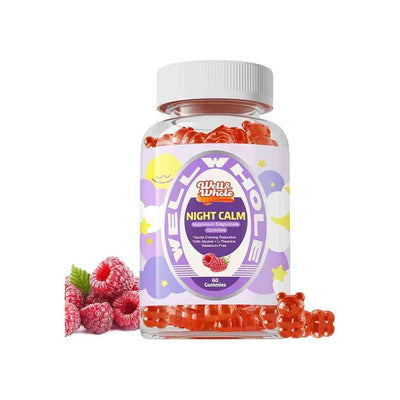
Putting it simply: if this is something you want to add to your routine, our Magnesium Bisglycinate Gummies with Apigenin & B6, Melatonin Free, 60 Ct | Gentle on Stomach, Chelated with Glycine, Night Calm Routine is a good place to start. The wider Sleep Support collection is worth a look, and the Magnesium range covers related formats.
These statements have not been evaluated by the Food and Drug Administration. This product is not intended to diagnose, treat, cure, or prevent any disease. Talk to a healthcare professional before starting any new supplement, especially if you are pregnant, nursing, taking medication, or managing a health condition.
These statements have not been evaluated by the Food and Drug Administration. This product is not intended to diagnose, treat, cure, or prevent any disease.