Best Magnesium for Your Needs: Taurate vs Bisglycinate Guide
Confused about which magnesium to choose? This complete buying guide compares magnesium taurate vs bisglycinate for heart health, sleep, stress, and more.

Magnesium is the fourth most abundant mineral in the human body and is involved in over 300 enzymatic reactions. Yet according to NHANES data, approximately 50–60% of American adults don't get enough from their diet alone. If you've decided to supplement, the next question is: which form?
The supplement market offers a bewildering array of options—oxide, citrate, glycinate, taurate, malate, threonate, and more. Each form binds magnesium to a different molecule, and that molecule fundamentally changes what the supplement does in your body.
This buying guide focuses on two of the most popular and effective forms: magnesium taurate and magnesium bisglycinate. We'll help you understand the differences, identify your goals, and choose the form that best fits your needs.
Understanding Magnesium Forms: The Ligand Determines the Benefit
Why the Form Matters
Every magnesium supplement consists of the magnesium ion (Mg²⁺) bound to another molecule called a ligand. The ligand does three important things:
1. **Determines bioavailability**: Some ligands enhance absorption; others hinder it
2. **Provides its own benefits**: The ligand itself may have health properties
3. **Affects digestive tolerance**: Some forms cause digestive upset; others are gentle
For example, magnesium oxide is cheap but only about 4% absorbed. Magnesium citrate is better absorbed but can cause diarrhea. Magnesium taurate and bisglycinate are both amino acid chelates—among the most bioavailable and well-tolerated forms available.
The Bioavailability Hierarchy
Based on research published in *Magnesium Research* and the *Journal of the American College of Nutrition*:
| Form | Bioavailability | Digestive Tolerance |
|---|---|---|
| Bisglycinate | Very high | Excellent |
| Taurate | High | Excellent |
| Citrate | Good | Moderate (laxative) |
| Malate | Good | Good |
| Threonate | Good | Good |
| Oxide | Poor (~4%) | Poor (laxative) |
────────────────────────────────────────────────────────────
Magnesium Taurate: The Cardiovascular Specialist
What Is It?
Magnesium taurate binds magnesium to taurine, an amino acid that is highly concentrated in heart tissue. In fact, taurine makes up over 50% of the free amino acid pool in the heart.
Key Benefits
#### 1. Cardiovascular Support
Magnesium taurate is the premier form for heart health. Both magnesium and taurine independently support cardiovascular function:
- **Vascular tone**: Magnesium acts as a natural calcium channel blocker, supporting blood vessel relaxation. Taurine supports nitric oxide production.
- **Blood pressure**: A meta-analysis in *Nutrients* found that magnesium supplementation may support healthy blood pressure already within the normal range.
- **Heart rhythm**: Both compounds support normal electrical activity in cardiac tissue. Research in *Amino Acids* highlighted taurine's role in calcium regulation within heart cells.
- **Cholesterol metabolism**: Taurine has been studied for its role in supporting healthy bile acid production, which is involved in cholesterol metabolism.
#### 2. Metabolic Support
Magnesium is essential for insulin sensitivity and glucose metabolism. Taurine has independently been studied for metabolic support. A study in *Diabetes & Metabolism* found that magnesium intake was inversely associated with metabolic risk markers.
#### 3. Exercise Recovery
Magnesium supports muscle relaxation after contraction, while taurine supports muscle membrane stability. Together, they may support exercise performance and recovery.
Best For
- Adults concerned about cardiovascular health
- People with blood pressure concerns
- Those over 50 (age-related cardiovascular changes)
- Athletes seeking cardiac and metabolic support
- People with magnesium deficiency who want cardiovascular-targeted repletion
Product Recommendation
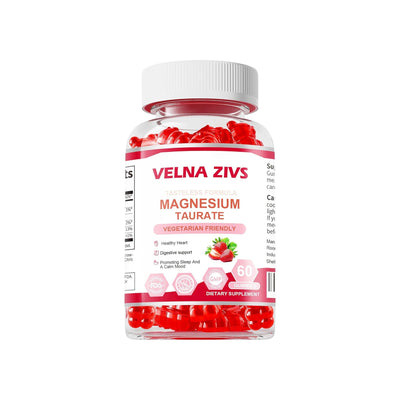
well&whole Magnesium Taurate Gummies 1800mg offer a convenient, well-tolerated gummy format. The gummy format is particularly appealing for those who dislike swallowing pills or who experience digestive sensitivity with capsule forms.
Magnesium Bisglycinate: The Relaxation and Sleep Form
What Is It?
Magnesium bisglycinate (also called magnesium glycinate) binds magnesium to glycine, the smallest amino acid. Glycine is an inhibitory neurotransmitter that promotes calmness and relaxation.
Key Benefits
#### 1. Sleep Quality
Magnesium bisglycinate is the top choice for sleep support. A study in the *Journal of Research in Medical Sciences* found that magnesium supplementation improved sleep quality measures, including sleep time, sleep efficiency, and early-morning awakening. Glycine itself has been shown to improve subjective sleep quality and reduce daytime sleepiness without causing grogginess.
#### 2. Stress and Anxiety Support
Glycine acts as an inhibitory neurotransmitter in the central nervous system. By increasing glycine availability, magnesium bisglycinate may help promote a sense of calm. Research in *Neuropharmacology* highlighted glycine's role in modulating stress responses.
#### 3. Muscle Relaxation
Magnesium supports muscle relaxation by competing with calcium at binding sites. For people who experience muscle tension, tightness, or nighttime leg cramps, bisglycinate's high bioavailability and gentle nature make it an excellent choice.
#### 4. Bone Health
Magnesium is essential for bone mineralization and works alongside calcium and vitamin D. A study in *Nutrients* found that magnesium intake was positively associated with bone mineral density.
Best For
- People seeking better sleep quality
- Those dealing with stress and anxiety
- Muscle tension and cramp relief
- People with sensitive digestion
- General magnesium supplementation
Direct Comparison: Taurate vs Bisglycinate
Benefits Comparison
| Benefit | Magnesium Taurate | Magnesium Bisglycinate |
|---|---|---|
| Heart health | ★★★★★ | ★★★☆☆ |
| Blood pressure | ★★★★★ | ★★★☆☆ |
| Sleep quality | ★★★☆☆ | ★★★★★ |
| Stress/anxiety | ★★★☆☆ | ★★★★★ |
| Muscle relaxation | ★★★★☆ | ★★★★★ |
| Metabolic support | ★★★★☆ | ★★☆☆☆ |
| Exercise recovery | ★★★★☆ | ★★★☆☆ |
| Bone health | ★★★☆☆ | ★★★☆☆ |
| Digestive tolerance | Excellent | Excellent |
Cost Comparison
| Feature | Taurate Gummies | Bisglycinate (typical) |
|---|---|---|
| well&whole price | $23.99 | Varies by brand |
| Cost per day | ~$0.80 | Varies |
| Format | Gummies | Capsules/gummies |
| Elemental magnesium | Check label | Check label |
Choosing Based on Your #1 Priority
| Your #1 Priority | Recommended Form |
|---|---|
| Heart health | Magnesium Taurate |
| Blood pressure support | Magnesium Taurate |
| Better sleep | Magnesium Bisglycinate |
| Stress reduction | Magnesium Bisglycinate |
| Muscle cramps | Magnesium Bisglycinate |
| Exercise performance | Magnesium Taurate |
| General health | Either (rotate both) |
| Over 50 | Magnesium Taurate |
────────────────────────────────────────────────────────────
Can You Take Both Forms?
Yes! Many people benefit from taking both forms, especially if they have multiple goals. A common strategy:
- **Morning**: Magnesium taurate for cardiovascular and metabolic support
- **Evening**: Magnesium bisglycinate for sleep and relaxation
Total Daily Magnesium Intake
Be mindful of total daily magnesium intake from all sources (food + supplements). The National Institutes of Health recommends:
| Group | RDA | Tolerable Upper Intake (supplements) |
|---|---|---|
| Adult men | 400–420 mg | 350 mg |
| Adult women | 310–320 mg | 350 mg |
| Pregnant women | 350–360 mg | 350 mg |
The upper limit applies only to supplemental magnesium—magnesium from food is generally safe at any level.
Signs You Might Need More Magnesium
Common signs of inadequate magnesium intake include:
- Muscle cramps or twitches
- Fatigue and low energy
- Poor sleep quality
- Stress and irritability
- Headaches
- Irregular heartbeat sensations
- High blood pressure
If you experience these symptoms, discuss magnesium supplementation with your healthcare provider. A simple blood test can help identify deficiency, though serum magnesium levels don't always reflect total body magnesium status.
How to Evaluate a Magnesium Supplement
When shopping for magnesium, check these factors:
1. Form
Look for amino acid chelates (taurate, bisglycinate) for best absorption and tolerance. Avoid oxide as a primary form.
2. Elemental Magnesium Content
The label should list elemental magnesium per serving, not just the total compound weight. For example, 1800mg of "magnesium taurate" contains significantly less elemental magnesium.
3. Format
Choose a format you'll consistently use:
- **Gummies**: Convenient, pleasant taste, easy to take
- **Capsules**: Portable, tasteless
- **Powder**: Flexible dosing, mixable
4. Third-Party Testing
Reputable brands test their products for purity and potency. Look for products that mention third-party testing.
5. Price per Serving
Compare cost per day, not just total price. A slightly more expensive product that provides more elemental magnesium per serving may be better value.
Complementing Magnesium with Other Heart Health Supplements
If you choose magnesium taurate for cardiovascular support, consider these complementary supplements:
| Supplement | Synergy with Magnesium Taurate |
|---|---|
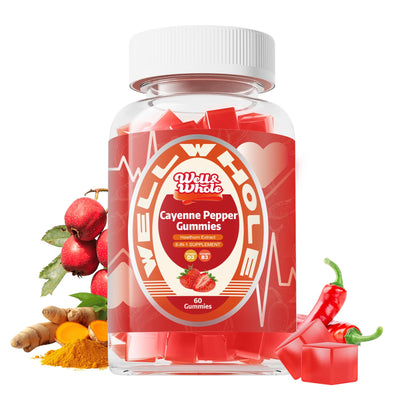
| Cayenne Pepper Gummies | Supports circulation; magnesium supports vascular tone |
| Cholesterol Support Drops | Addresses cholesterol; magnesium addresses vascular function |
| Horse Chestnut Gummies | Supports vein health; magnesium supports vascular relaxation |
well&whole Cayenne Pepper Heart Health Gummies pair particularly well with magnesium taurate, as they address circulation and antioxidant support while magnesium addresses vascular tone and rhythm.
FAQ
Q: What's the difference between magnesium glycinate and bisglycinate?
A: They're the same thing. "Bisglycinate" simply indicates that two glycine molecules are bound to each magnesium ion. Some labels use one term, some use the other.
Q: Can magnesium taurate help with sleep?
A: While not as targeted for sleep as bisglycinate, magnesium in any form may support relaxation. Taurine has mild calming properties but is not as directly sleep-promoting as glycine.
Q: Why are gummy magnesium supplements harder to find than capsules?
A: Magnesium has a metallic taste and can be difficult to formulate in gummies at meaningful doses. well&whole has developed a gummy format that delivers effective magnesium content in a pleasant format.
Q: Can I take magnesium with other minerals like calcium and zinc?
A: Yes, but be aware that high doses of calcium, zinc, or iron can compete with magnesium for absorption. If taking multiple minerals, space them throughout the day.
Q: Will magnesium interact with my medications?
A: Magnesium may interact with certain medications, including some antibiotics, osteoporosis drugs, and blood pressure medications. Always consult your healthcare provider about potential interactions.
Q: How do I know if my magnesium supplement is working?
A: Signs of improvement may include better sleep, reduced muscle cramps, improved energy, and a sense of calm. For cardiovascular benefits, monitor blood pressure and discuss changes with your healthcare provider.
Q: Can I get enough magnesium from food?
A: Magnesium-rich foods include spinach, pumpkin seeds, almonds, dark chocolate, and avocado. However, soil depletion and dietary patterns make it difficult for many people to meet requirements through diet alone.
Q: Is it better to take magnesium in the morning or at night?
A: It depends on the form and your goals. Magnesium taurate can be taken any time; many prefer morning or midday. Magnesium bisglycinate is often taken in the evening for sleep support.
────────────────────────────────────────────────────────────
Conclusion
Choosing the right magnesium supplement doesn't have to be complicated. The key is matching the form to your primary goal:
- **For heart health, blood pressure, and metabolic support**: Choose magnesium taurate. well&whole Magnesium Taurate Gummies 1800mg deliver this specialized form in a convenient, well-tolerated gummy.
- **For sleep, stress, and muscle relaxation**: Choose magnesium bisglycinate. Its calming glycine component makes it the top choice for relaxation and sleep quality.
- **For comprehensive support**: Take both—taurate in the morning, bisglycinate in the evening.
Whatever form you choose, consistency is key. Magnesium works best with daily, ongoing use. Choose a format you enjoy taking, commit to your routine, and give your body the magnesium it needs to thrive.
Related supplements
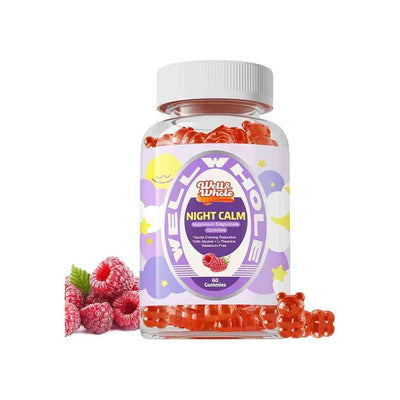
If you're ready to put this into practice, our Magnesium Bisglycinate Gummies with Apigenin & B6, Melatonin Free, 60 Ct | Gentle on Stomach, Chelated with Glycine, Night Calm Routine and Sleep & Calm Support Bundle are formulated with this in mind. You can also compare the Sleep Support and Magnesium ranges to find the format that suits you.
These statements have not been evaluated by the Food and Drug Administration. This product is not intended to diagnose, treat, cure, or prevent any disease.