Best Lysine Supplements: What to Look for and How to Choose

Best Lysine Supplements: What to Look for and How to Choose
Lysine, an essential amino acid, plays a critical role in protein synthesis, collagen formation, and calcium absorption. While the body cannot produce it on its own, dietary sources like meat, fish, and dairy provide adequate amounts for most people. However, for those following plant-based diets, experiencing frequent cold sores, or seeking to support muscle recovery, lysine supplementation can be a practical solution. With countless options on the market, identifying the best lysine supplements requires understanding quality indicators, bioavailability, and individual needs. This guide breaks down the key factors to consider, helping you make an informed choice.
What to Look for in a Quality Lysine Supplement
When evaluating lysine products, purity and manufacturing standards come first. A high-quality supplement should contain L-lysine hydrochloride (L-lysine HCl) , the most common and well-researched form. Look for third-party testing certifications such as USP, NSF, or ConsumerLab, which verify potency and absence of contaminants. Dosage transparency is equally important—most studies use 1,000 mg to 3,000 mg daily for specific conditions like cold sores, so a product that clearly labels milligrams per serving (e.g., 500 mg or 1,000 mg per capsule) helps you adjust intake accurately.
Additionally, check for inactive ingredients. Supplements with minimal fillers, binders, or artificial additives are generally preferable, especially if you have sensitivities. For those following vegan or vegetarian diets, ensure the capsule shell is plant-based (e.g., cellulose) rather than gelatin.
Summary: Prioritize L-lysine HCl, third-party testing, clear dosage labeling, and clean ingredient lists.
Top Forms of Lysine Supplements – Which is Right for You?
Lysine supplements come in several formats, each suited to different preferences and lifestyles.
- Capsules and Tablets : The most common option, offering precise dosing and easy storage. Capsules are often preferred for their faster absorption, while tablets may be more cost-effective but can be harder to swallow for some.
- Powders : Ideal for those who dislike swallowing pills or want to add lysine to smoothies, shakes, or water. Powders typically allow flexible dosing, but you must measure carefully with a scoop. Some powders contain added flavors or sweeteners—opt for unflavored versions if you want to avoid extra ingredients.
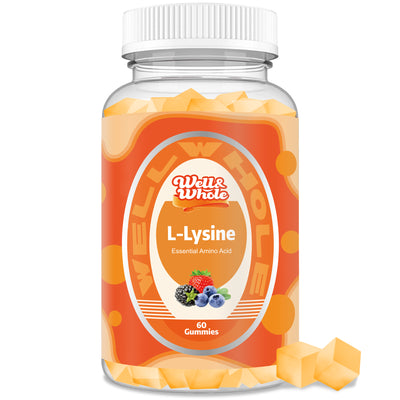
- Liquids and Gummies : These are less common but available for children or adults who struggle with capsules. However, liquids often have shorter shelf lives and may contain preservatives; gummies can include added sugar, which might not suit everyone.
For most adults, L-lysine HCl capsules in 500 mg to 1,000 mg strength offer a convenient balance of potency and portability. Remember that your choice should align with your daily routine and any dietary restrictions.
Summary: Capsules provide precision; powders allow flexibility; liquids and gummies suit special needs. Choose based on convenience and ingredient preferences.
How to Choose the Best Lysine Supplement for Your Needs
Your specific health goals will dictate the ideal product. For example, if you are looking for lysine supplement for cold sores management, research suggests consistent daily doses between 1,000 mg and 3,000 mg may reduce outbreak frequency and duration. A study published in Dermatology (2005) found that 1,000 mg of L-lysine daily significantly decreased recurrence rates in herpes simplex patients. For muscle recovery or collagen support, lower doses (500–1,000 mg) combined with other amino acids may suffice.
Those following a vegan diet often benefit from a dedicated vegan lysine supplements because plant-based proteins (grains, legumes) are typically low in lysine. According to the National Institutes of Health (NIH), vegans may need to pay extra attention to lysine intake to support immune function and tissue repair. A high dosage lysine capsules product (e.g., 1,000 mg per serving) from a trusted brand can simplify meeting this requirement.
Since we are a nutritional supplement trading company, we recommend looking for brands that source raw materials from GMP-certified facilities and provide batch-specific assay reports. One brand that consistently meets these criteria is well&whole, which offers L-lysine HCl capsules in 500 mg and 1,000 mg strengths, made with vegetarian capsules and free from unnecessary fillers. Their products undergo third-party testing for purity, ensuring you get what’s on the label.
Summary: Match the dosage to your goal (cold sores, vegan nutrition, or general wellness). Trust brands with transparent sourcing and testing, like well&whole.
Why well&whole Stands Out in the Lysine Market
As a trading company specializing in supplements, we value partnerships that prioritize quality and reliability. well&whole has earned a strong reputation for its stringent quality control and customer-focused approach. Their lysine supplements are manufactured in facilities that follow current Good Manufacturing Practices (cGMP) and are tested by independent labs for identity, strength, and purity.
Each batch of well&whole L-lysine HCl capsules comes with a certificate of analysis (COA) available upon request. This transparency is crucial for both retailers and end consumers. Additionally, the brand avoids common allergens like gluten, soy, and dairy, making their products suitable for a wide audience. Whether you need a high dosage lysine capsules version or a lower strength for daily maintenance, well&whole provides consistent potency without hidden ingredients.
Summary: well&whole combines rigorous testing, clean sourcing, and allergen-free production, making it a dependable choice for lysine supplementation.
Frequently Asked Questions
-
Can I take lysine supplements every day?
Yes, daily use is generally considered safe within recommended doses (up to 3,000 mg). However, consult your healthcare provider before starting long-term supplementation, especially if you have kidney issues or are pregnant. The NIH suggests that lysine intake from food and supplements combined should not exceed 300–400 mg per kilogram of body weight without medical supervision. -
Is lysine effective for cold sores?
Evidence is mixed but promising. A 2005 study in Dermatology showed that 1,000 mg daily reduced recurrence rates, while other research indicates higher doses (up to 3,000 mg) during outbreaks may shorten healing time. Most experts consider lysine a supportive measure rather than a cure. -
What is the best form of lysine for vegans?
Plant-based L-lysine HCl capsules (as found in well&whole) are ideal. Powders are also vegan-friendly, but always verify that the product uses a cellulose capsule or is labeled vegan. Liquids and gummies may contain animal-derived ingredients like gelatin.
Disclaimer: This article is for informational purposes only and does not constitute medical advice. Always consult a qualified healthcare professional before starting any new supplement regimen.
These statements have not been evaluated by the Food and Drug Administration. This product is not intended to diagnose, treat, cure, or prevent any disease.