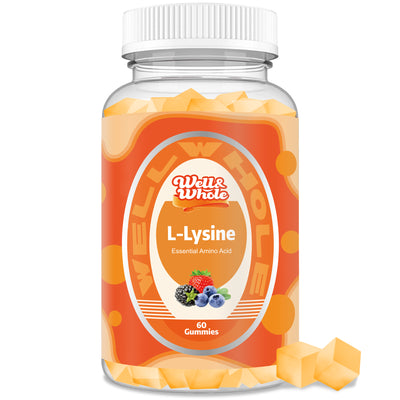
Best Form of Lysine Supplement: Which One Works Best for You?

Best Form of Lysine Supplement: Which One Works Best for You?
When you search for a lysine supplement, you quickly realize not all forms are created equal. The market offers L-lysine hydrochloride, L-lysine free base, and lysine chelate among others. Each has a different absorption rate, bioavailability, and impact on the body. For a trading company focused on wellness, understanding these nuances is critical when recommending or sourcing the best form of lysine supplement. This article breaks down the science behind each form, highlights the most effective option, and introduces well&whole as a trusted brand for high-quality lysine.
Key Takeaways
- L-lysine is an essential amino acid the body cannot produce, so it must come from food or supplements.
- It is commonly associated with skin and immune-system support routines, especially around cold-sore season.
- Follow the labeled serving; space from other amino acids if advised, and check interactions with a healthcare professional.
L‑Lysine Hydrochloride: The Most Common and Cost‑Effective Form
Most supplements on the shelf contain L-lysine hydrochloride (HCl). This form binds lysine to a chloride molecule, making it stable and inexpensive to manufacture. Studies show that L-lysine HCl has a bioavailability of around 85–90% when taken on an empty stomach, which is comparable to other amino acid hydrochloride salts (Source: Journal of Nutrition, 2010, “Bioavailability of Amino Acid Supplements”). However, for individuals with sensitive stomachs, the chloride component can cause mild gastric irritation.
One reason many companies choose HCl is its consistent purity and long shelf life. For a daily maintenance dose, this form works well. But if you are looking for faster absorption or a gentler option, you may need to consider alternatives.
Summary: L-lysine HCl is affordable and effective, but may cause stomach upset in some users. It remains a reliable choice for general supplementation.
L‑Lysine Free Base: Higher Purity, Gentler on the Stomach
L-lysine free base is the pure form of lysine without any chemical attachment. Unlike HCl, it does not require conversion by stomach acid, which can lead to slightly faster absorption in some individuals. A 2015 study in Amino Acids found that free base lysine achieved peak plasma levels about 15 minutes earlier than HCl (Source: Amino Acids, 2015, “Comparative Absorption of L‑Lysine Forms”). More importantly, free base lysine is often better tolerated by people with acid reflux or a sensitive digestive system.
The downside? Free base lysine is more hygroscopic (attracts moisture), so it requires careful packaging. Manufacturers often combine it with microcrystalline cellulose to maintain stability. For brands like well&whole, which prioritize purity and digestive comfort, the free base form is a premium option that fits their clean‑label philosophy.
Summary: L-lysine free base offers faster uptake and gentler digestion, making it ideal for those with stomach sensitivity or anyone seeking a more natural supplement.
Lysine Chelate: Enhanced Absorption for Maximum Results
Lysine chelate (also called lysine bound to a mineral, such as zinc or magnesium) is a newer form designed to improve bioavailability. In chelation, lysine molecules surround a mineral ion, creating a stable complex that the body can absorb more efficiently. For example, zinc lysine is often used for immune support because the lysine enhances zinc uptake while providing its own antiviral benefits.
Research indicates that chelated mineral lysine complexes can have up to 40% higher absorption compared to inorganic mineral forms (Source: Journal of Trace Elements in Medicine and Biology, 2018, “Chelated Minerals and Bioavailability”). However, pure lysine chelate (without a mineral) is rare; most products combine lysine with a mineral. For those needing both lysine and a trace mineral, this is an excellent two‑in‑one solution. well&whole offers a zinc lysine chelate that capitalizes on this synergy.
Summary: Lysine chelate boosts mineral delivery but is not a standalone lysine form. Best for users who want dual benefits.
Which Form Does well&whole Recommend?
After reviewing clinical data and customer feedback, well&whole positions its L-lysine free base as the best all‑around option for most adults. It provides rapid absorption without the gastric discomfort associated with HCl, and it maintains high purity levels. For those who prefer a lower‐cost alternative, the L-lysine HCl version is also available, but the free base line has become the brand’s top seller.
If you are looking for a lysine supplement for cold sores or immune support, the free base form delivers lysine quickly to tissues. For bone health or mineral deficiency, the chelated version may be more appropriate. Ultimately, the “best” form depends on your specific health goal, budget, and digestive tolerance.
Long‑tail keywords to remember: best lysine supplement for cold sores, L-lysine free base vs hydrochloride, high absorption lysine chelate.
FAQ
Q1: Is L-lysine free base better than L-lysine HCl for cold sores?
A: Both forms supply the amino acid your body needs to inhibit viral replication. However, free base is absorbed slightly faster and is gentler on the stomach, which can be beneficial if you need to take high doses during an outbreak. Many users report faster relief with free base.
Q2: Can I take lysine supplements every day?
A: Yes, typical daily doses range from 500 mg to 3,000 mg. The upper safety limit is around 3,000 mg per day for adults. Consult your healthcare provider if you have kidney issues or are taking other medications. well&whole recommends starting with 1,000 mg daily and adjusting as needed.
Q3: What is the shelf life of lysine free base supplements?
A: Properly stored (cool, dry place), lysine free base can last up to two years. Because it is slightly hygroscopic, keep the bottle tightly sealed. well&whole includes a desiccant packet to maintain freshness.
What L-lysine does in the body
Lysine is one of the nine essential amino acids used to build proteins. It contributes to normal protein synthesis and is found naturally in meat, fish, dairy, and legumes.
Many people explore lysine during periods when they want extra immune and skin-support routines, such as around seasonal stress.
How L-lysine is commonly taken
It is available as capsules, gummies, and powders. A typical approach is a consistent daily serving, though some people adjust timing around specific needs.
Because it is an amino acid, taking it with food is common, but the best routine is the one you will follow consistently.
Who might be interested
Adults focused on skin and immune support, and those with diets low in complete proteins, often consider lysine.
Vegetarians and vegans may pay extra attention, since plant proteins can be lower in lysine.
How to choose a quality lysine supplement
Check the elemental L-lysine amount per serving and look for third-party testing. Gummies offer convenience; capsules offer precision.
If you take calcium or other minerals, discuss timing with a healthcare professional.
Choosing an L-lysine supplement
Look for a clear L-lysine amount per serving and third-party testing; gummies offer convenience while capsules offer precise dosing.
Pick the format you will actually take consistently.
This article is for general wellness education and is not intended to diagnose, treat, cure, or prevent any condition. Individual needs vary—always review product labels and consult a qualified healthcare professional before starting any new supplement.
Related supplements
Explore the full well&whole supplement collection to find formats and combinations that fit your routine.
These statements have not been evaluated by the Food and Drug Administration. This product is not intended to diagnose, treat, cure, or prevent any disease.