Best Calcium Supplement for Women Evidence Based Guide
Discover the best calcium supplement for women with expert picks\, absorption tips\, dosage by age\, and guidance on safe third party tested options

Best Calcium Supplement for Women: Why Your Bones Can’t Wait
When we talk about finding the best calcium supplement for women, we have to look at why women’s bodies require such specialized care. Bone health isn't a static target. For women, it is a dynamic, lifelong bank account, and hormonal shifts dictate the daily withdrawal rate.
The Menopause Factor and Postmenopausal Bone Loss
During our younger years, estrogen acts as a natural shield for our skeleton, keeping bone-resorbing cells in check. However, the hormonal shifts during menopause disrupt this balance.
- The Estrogen Drop: As estrogen levels plunge, the body begins breaking down bone faster than it can rebuild it.
- Accelerated Loss: Women can lose up to 20% of their bone mineral density during the first five to seven years of menopause.
- The Silent Shift: This rapid postmenopausal bone loss directly opens the door to osteopenia and osteoporosis, making targeted supplementation a non-negotiable priority for long-term mobility.
Osteoporosis Prevalence: Women vs. Men
The statistics show a stark contrast when comparing skeletal health across genders. Women face a disproportionate risk of bone thinning and fractures.
| Condition | Female Prevalence | Male Prevalence |
|---|---|---|
| Osteopenia | Approximately 1 in 2 women over 50 | Approximately 1 in 4 men over 50 |
| Osteoporosis | Roughly 4 times more common in women | Significantly lower risk and later onset |
| Fracture Risk | 50% of women will break a bone due to osteoporosis | 25% of men will experience a similar fracture |
Beyond Bones: Calcium’s Unsung Critical Roles
While osteoporosis prevention for women gets most of the headlines, your body requires steady blood calcium levels every single second just to keep you alive. If you do not get enough calcium from your diet or supplements, your body ruthlessly steals it from your bones to fuel these vital functions:
- Muscle Contraction: Your muscles, including your heart, rely on calcium ions to contract and relax properly.
- Nerve Signaling: Calcium acts as a chemical messenger, allowing your brain to communicate seamlessly with the rest of your body.
- Cardiovascular Health: This mineral helps regulate the tightening and relaxing of blood vessels, playing a direct role in maintaining healthy blood pressure.
Decoding the Label: Calcium Carbonate vs. Calcium Citrate
When shopping for the best calcium supplement for women, you will primarily run into two main forms: calcium carbonate and calcium citrate. Understanding the difference between calcium citrate vs carbonate is the fastest way to avoid stomach upset and ensure your body actually absorbs the mineral.
Calcium Carbonate: The High-Yield Budget Option
Calcium carbonate is the most common form found on store shelves. It boasts a high concentration of elemental calcium (around 40%), meaning you need fewer pills to hit your daily goal.
- Pros: Cost-effective, widely available, and requires fewer capsules per serving.
- Cons: Harder on sensitive stomachs; can cause gas, bloating, or constipation.
- Food Requirement: Stomach acid and calcium absorption are deeply linked here. You must take calcium carbonate with a meal, as the stomach acid produced during eating is required to break it down.
Calcium Citrate: The Easy-to-Absorb Alternative
Calcium citrate is a more bioavailable form that is incredibly gentle on the digestive tract. It contains about 21% elemental calcium, so you may need to take more pills to get the same dosage as carbonate.
- Pros: Highest calcium absorption rate under any condition. It does not require stomach acid to break down.
- Cons: Pricier than carbonate and requires taking larger or more frequent capsules.
- Empty Stomach Absorption: This is the ideal choice if you take acid blockers, have GI sensitivities, or prefer taking supplements on an empty stomach.
Alternative Forms to Consider
If neither of the traditional options works for your routine, three specialized forms offer excellent alternatives:
- Calcium Malate & Lactate: Highly soluble forms that are incredibly gentle on the GI tract, often used in fortified foods and premium powder mixes.
- Calcium from Organic Algae: A premium choice derived from marine red algae. This organic plant-sourced algae provides a whole-food complex naturally rich in magnesium and trace minerals, offering a clean label for plant-based lifestyles.
The Golden Rules of Calcium Absorption
Swallowing a calcium pill doesn't guarantee it reaches your bones. To maximize your calcium absorption rate, you have to play by the body's strict biological rules. Getting the most out of your supplement requires a strategic approach.
The 500 mg Threshold: Split Your Daily Intake
Your body can only absorb about 500 mg of elemental calcium at one time. If you take a 1,000 mg tablet all at once, the excess simply goes to waste or causes digestive discomfort. To hit your daily calcium requirement for women, space your doses out—take one half with breakfast and the other half with dinner.
The Essential Bone-Building Co-Factors
Calcium cannot work in isolation. It relies on a team of critical nutrients to actually reach its destination and support bone mineral density:
- Vitamin D3 (The Gatekeeper): Without Vitamin D3 and K2, your gut cannot effectively absorb calcium from the food you eat or the supplements you take.
- Vitamin K2 (The Traffic Cop): K2 activates proteins that bind calcium to the bone matrix, keeping it out of your arteries and soft tissues where it can cause harm.
- Magnesium (The Remodeling Expert): A proper magnesium to calcium ratio is vital. Magnesium converts vitamin D into its active form and works alongside calcium to regulate bone remodeling and muscle function.
How Much Do You Actually Need?

When determining the best calcium supplement for women, the first step is knowing your number. Your body's daily calcium requirement for women changes drastically depending on your life stage. Getting this right ensures you maintain optimal bone mineral density without overdoing it.
Here is exactly how much elemental calcium you need every day:
- Women Ages 19–50: You need 1,000 mg of elemental calcium daily to maintain strong bones and support baseline metabolic functions.
- Pregnant and Lactating Women: Your body prioritizes the baby, but your baseline requirement stays at 1,000 mg daily. However, meeting this target is absolutely critical to prevent the fetus from leaching calcium directly from your own bones.
- Women Over 50 (Postmenopause): The target bumps up to 1,200 mg per day. This increase is vital for mitigating accelerated postmenopausal bone loss driven by the natural drop in estrogen.
To make this easy to visualize, here is a quick breakdown of daily targets and their primary focus:
| Age Group / Life Stage | Daily Calcium Target (Elemental) | Primary Bone Health Focus |
|---|---|---|
| Ages 19–50 | 1,000 mg | Maintaining peak bone mass |
| Pregnancy & Breastfeeding | 1,000 mg | Supporting fetal development & maternal skeletal health |
| Ages 51+ (Postmenopausal) | 1,200 mg | Osteoporosis prevention for women and slowing bone loss |
We always recommend tracking your diet first to see where your food leaves off and where a high-quality supplement needs to step in.
The well&whole Curated Picks: Best Calcium Supplement for Women
Finding the best calcium supplement for women means looking past flashy marketing and focusing on true bioavailability, purity, and split-dosing convenience. Based on rigorous ingredient vetting and standard testing markers, here are the top curated formulas to protect your bone mineral density at every stage of life.
Best Overall for Daily Absorption: well&whole Advanced Calcium Complex
For maximum daily calcium absorption rate, this formula combines pre-chelated calcium citrate with essential cofactors. Because calcium citrate doesn't require stomach acid to break down, you can take it anytime, with or without food. It delivers the ideal magnesium to calcium ratio alongside a precise dose of vitamin D3 and K2 to ensure the minerals deposit directly into your skeletal matrix.
Best for Women Over 50 and Menopause: well&whole Menopause Bone Support
To combat accelerated postmenopausal bone loss triggered by dropping estrogen levels, older adults require targeted support. This premium blend pairs highly absorbable elemental calcium with increased levels of vitamin D3 to counteract age-related decline in intestinal absorption. It acts as a comprehensive shield for osteoporosis prevention for women navigating hormonal shifts.
Best Budget-Friendly and USP-Verified Option: well&whole Daily Calcium
You don't have to break the bank for reliable quality. This straightforward daily calcium requirement for women option features pure calcium carbonate. It is a USP verified calcium supplement, meaning it has passed strict independent third-party laboratory testing for ingredient purity and prompt dissolution. It delivers a high concentration of elemental calcium per tablet, making it highly cost-effective for daily use when taken with meals.
Best Plant-Based and Vegan Formula: well&whole Algae-Sourced Calcium
If you prefer avoiding traditional limestone or rock-derived supplements, this clean-label formula utilizes calcium from organic algae. Harvested sustainably from marine botanicals, this plant-based matrix is naturally porous, which mimics the structure of human bone and eases digestion. It provides a trace mineral blend that supports overall structural integrity without causing the bloating common in cheaper synthetic pills.
Best Alternative Format for Pill Fatigue: well&whole Berry Calcium Chewable Tablets
Swallowing massive capsules every day can lead to serious routine fatigue. These calcium chewable tablets offer a delicious, chalk-free alternative without the sugar spikes associated with traditional gummies. They utilize ultra-micronized calcium citrate for rapid breakdown, offering a gentle, stomach-friendly option that fits perfectly into a busy lifestyle.
Hidden Dangers & Red Flags to Avoid
When shopping for the best calcium supplement for women, what is left out of the bottle is just as important as what goes in. Many budget brands source their ingredients from unrefined oyster shell, bone meal, or dolomite. These raw materials often contain toxic heavy metals like lead, aluminum, and arsenic that build up in your body over time.
Look for Third-Party Testing
Never buy a calcium supplement blindly. Look for verified third-party testing badges directly on the label to ensure product safety and purity. Genuine products will prominently feature seals from:
- USP (United States Pharmacopeia)
- NSF International
- ConsumerLab
These independent badges guarantee that the bottle actually contains the listed amount of elemental calcium and is completely free from harmful levels of contaminants.
Common Supplement Interactions
Calcium is highly reactive and easily blocks the absorption of other essential nutrients and medications. To get the most out of your wellness routine, keep these critical interactions in mind:
- Iron: Calcium competes directly with iron for absorption pathways in the gut. Never take your calcium pill at the same time as an iron supplement or a prenatal vitamin.
- Thyroid Medication: Calcium can severely reduce the efficacy of thyroid drugs like levothyroxine. Separate these doses by at least four hours.
- Coffee and Caffeine: Your morning brew acts as a mild diuretic and speeds up gut motility, which lowers your overall calcium absorption rate. Drink your coffee at least an hour before taking any supplements.
Food First: Combining Diet with Smart Supplementation
Supplements should never completely replace a healthy diet. To protect your bone mineral density, you want to maximize your intake of calcium-rich foods first, then use the best calcium supplement for women to fill in any remaining gaps.
High-Yield Dietary Calcium Sources
You can easily hit your daily calcium requirement for women by combining traditional dairy with fortified plant-based options.
- Dairy Essentials: Plain Greek yogurt (approx. 300 mg per cup), skim milk, and hard cheeses like parmesan.
- Plant-Based Powerhouses: Fortified almond milk, oat milk, and calcium-set tofu.
- Leafy Greens & Seafood: Canned salmon or sardines (with bones), kale, and bok choy.
The Food Diary Approach to Calculate Your Deficit
Before starting any new regimen, track your meals for three to five days using a food diary. This helps you calculate your actual elemental calcium deficit so you do not over-supplement.
| Average Daily Dietary Intake | Your Life Stage Requirement | Required Supplement Support |
|---|---|---|
| Under 500 mg | 1,000 mg – 1,200 mg | 500 mg – 700 mg daily (split doses) |
| 500 mg – 800 mg | 1,000 mg – 1,200 mg | 300 mg – 400 mg daily |
| Over 1,000 mg | 1,000 mg – 1,200 mg | Minimal to no supplementation needed |
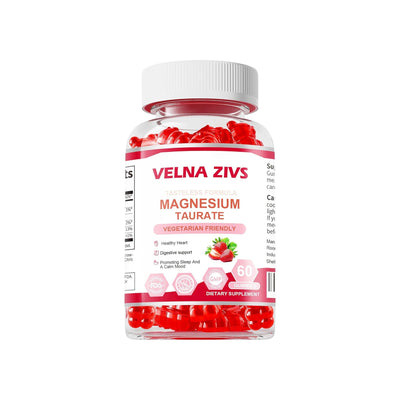
If your food diary reveals you are also missing out on critical locking nutrients that assist with bone remodeling, consider adding targeted support like our highly absorbable magnesium taurate gummies to keep your mineral ratios perfectly balanced.
Frequently Asked Questions
What is the best calcium supplement for women to take daily?
The best choice depends on your lifestyle and age, but calcium citrate paired with Vitamin D3 and K2 is generally the top overall recommendation. It absorbs easily at any time of day, with or without food. For those looking for a clean, whole-food option, organic algae-based supplements offer excellent bioavailability.
Can I take calcium and iron supplements at the same time?
No. Calcium and iron compete for the same absorption pathways in your body. If you take them together, they block each other from fully absorbing. To get the maximum benefit from both, separate your calcium and iron supplements by at least two to three hours.
Does calcium carbonate or citrate absorb better?
Calcium citrate has a higher natural calcium absorption rate and does not require stomach acid to break down, making it the superior choice for older adults or anyone on acid reducers. Calcium carbonate contains more elemental calcium per tablet but requires food to absorb properly and can cause mild digestive upset.
Are there side effects of calcium pills like constipation?
Yes, constipation and gas are common side effects of calcium pills, particularly with calcium carbonate formulas. You can easily mitigate this by splitting your doses into smaller amounts throughout the day, drinking plenty of water, and choosing a supplement that includes magnesium to keep your digestion balanced.
How much elemental calcium do postmenopausal women need?
For effective osteoporosis prevention for women, postmenopausal women need 1,200 mg of elemental calcium daily. Because your body cannot efficiently absorb more than 500 mg at one time, you should split this daily calcium requirement into two or three smaller doses spread across the day.
Related supplements
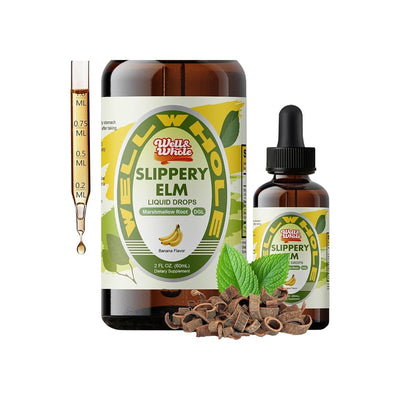
If you're ready to put this into practice, our Slippery Elm Liquid Drops, Marshmallow Root, Slippery Elm Bark Drops for Women, DGL Licorice Extract, Digestive Health, and Kids’ Black Walnut Digestive Support Drops, 14-in-1 Herbal Formula, Mixed Berry, Ages 1+, 2 fl oz are formulated with this in mind. You can also compare the Digestive Support and Health Benefits ranges to find the format that suits you.
These statements have not been evaluated by the Food and Drug Administration. This product is not intended to diagnose, treat, cure, or prevent any disease.