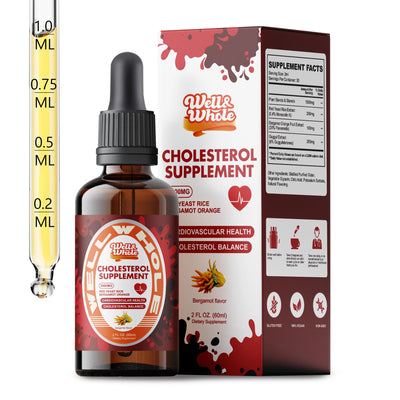
Bergamot Orange Extract Benefits: A Lesser-Known Cardiovascular Powerhouse
Bergamot orange extract is gaining recognition for its cholesterol-lowering and antioxidant properties. Learn what the research says about this unique Mediterranean citrus supplement.

While most Americans know bergamot as the distinctive flavor in Earl Grey tea, few realize that this Mediterranean citrus fruit harbors powerful cardiovascular benefits. Native to the Calabria region of southern Italy, bergamot orange (Citrus bergamia) produces a unique profile of polyphenolic compounds — particularly brutieridine and melitidine — that research suggests may rival low-dose statins for cholesterol management.
Unlike many trendy supplements that arrive with more marketing than science, bergamot extract has accumulated a respectable body of clinical research over the past decade. For those seeking natural approaches to cardiovascular health, this unassuming citrus deserves serious attention.
What Makes Bergamot Different?
The Key Compounds
Bergamot's therapeutic effects are attributed to its unusually high concentration of specific flavonoid compounds:
The combination of brutieridine and melitidine is what makes bergamot particularly interesting for cardiovascular health — these compounds work through the same HMG-CoA reductase pathway as statin medications, but with a different molecular interaction that may produce fewer side effects.
The Calabria Connection
Bergamot grows almost exclusively in a narrow coastal strip of Calabria, Italy, where the unique microclimate produces fruit with exceptionally high polyphenol content. This geographic specificity is unusual among citrus fruits and partly explains why bergamot remained relatively obscure in the supplement world until recently.
Clinical Evidence for Cholesterol Management
The Landmark Studies
The most compelling data on bergamot comes from a series of Italian clinical trials:
Study 1 (2013, *Phytomedicine*): Mollace et al. gave 1,000 mg of bergamot polyphenol extract daily to 77 patients with high cholesterol and found:
· LDL cholesterol reduced by 36% (from 175 to 112 mg/dL on average)
· HDL cholesterol increased by 40%
· Triglycerides reduced by 30%
Study 2 (2015, *Fitoterapia*): The same research group compared bergamot to rosuvastatin (10 mg) in 60 patients:
· Bergamot (1,000 mg/day) reduced LDL by approximately 30%
· Statin group showed similar LDL reduction
· Bergamot group had fewer reported side effects
· Bergamot + statin combination had the strongest effect
Study 3 (2019, *BioFactors*): A 12-month follow-up of chronic bergamot use found sustained lipid improvements with no significant adverse effects, supporting long-term safety.
How It Compares
Additional Cardiovascular Benefits
Endothelial Function
Bergamot's polyphenols support the health of the endothelium — the delicate inner lining of blood vessels. A 2017 study in *Nutrients* found that bergamot extract improved flow-mediated dilation (a measure of arterial health) by 21% after 6 months of use.
Blood Sugar Support
While not as potent as berberine for glucose management, bergamot does show modest metabolic effects. A 2019 study in *Frontiers in Pharmacology* found that bergamot polyphenols improved insulin sensitivity markers and reduced post-meal glucose excursions, likely through AMPK activation similar to (though weaker than) berberine's mechanism.
Antioxidant and Anti-Inflammatory Effects
Bergamot's flavonoid profile provides broad antioxidant protection. The same polyphenols that support cholesterol management also reduce oxidative modification of LDL particles — arguably the more important therapeutic target, since oxidized LDL is the form that drives atherosclerosis.
Non-Alcoholic Fatty Liver Support
Emerging research suggests bergamot may reduce liver fat accumulation. A 2020 pilot study in *Nutrients* found that bergamot polyphenol extract reduced liver fat content (measured by ultrasound) by approximately 30% in patients with non-alcoholic fatty liver disease over 12 weeks.
Practical Considerations
What to Look For in a Supplement
The Bergapten Issue
Whole bergamot essential oil contains bergapten, a furanocoumarin that causes photosensitivity. Quality bergamot polyphenol extracts for oral use should have bergapten removed. This is standard practice among reputable manufacturers — confirm this detail when choosing a product.
Dosage Recommendations
Timing and Administration
Bergamot extract can be taken with or without food, though taking it with a meal containing fat may enhance absorption of its flavonoid compounds. For regimens involving statins, bergamot is typically taken at a different time of day to avoid any theoretical competition for absorption pathways.
FAQ
Q1: Can bergamot replace my statin medication?
Bergamot should not be used to replace prescribed statins without a conversation with your prescribing physician. In some cases, bergamot may allow for a lower statin dose — a decision that must be made collaboratively with your healthcare team, not independently.
Q2: Does bergamot cause the same side effects as statins?
Unlike statins, bergamot has not been associated with muscle pain or elevated liver enzymes in clinical trials. This may be because its active compounds (brutieridine and melitidine) interact with the HMG-CoA reductase enzyme differently than pharmaceutical statins.
Q3: How long does bergamot take to work?
Lipid changes are typically measurable by 4–6 weeks, with maximal effect observed around the 8–12 week mark. HDL-raising effects may take slightly longer to fully manifest.
Q4: Can I take bergamot with CoQ10?
Yes — bergamot and CoQ10 are complementary. In fact, many integrative practitioners recommend CoQ10 alongside any cholesterol-management supplement, just as they would with a statin, to support mitochondrial function.
Q5: Is Earl Grey tea a good source of bergamot?
Earl Grey tea is flavored with bergamot essential oil, which provides the distinctive taste but contains negligible amounts of the polyphenolic flavonoids responsible for cholesterol-lowering effects. Tea alone will not provide therapeutic benefit.
Q6: Does bergamot interact with medications?
Bergamot polyphenol extracts (with bergapten removed) appear to have fewer interactions than bergamot essential oil or whole fruit. However, because bergamot works through the HMG-CoA reductase pathway, theoretical interactions with statins and other cholesterol medications exist. Always inform your healthcare provider of all supplements.
Q7: What does bergamot taste like?
Bergamot is characterized by its aromatic, slightly bitter citrus flavor — the same distinctive note in Earl Grey tea. Supplements in capsule form have no significant taste.
Q8: Can bergamot help with weight loss?
While not primarily a weight loss supplement, bergamot's metabolic support effects and modest blood sugar benefits may complement weight management efforts. Do not expect dramatic weight change from bergamot alone.
Conclusion
Bergamot orange extract represents a compelling addition to the natural cardiovascular supplement toolkit. Its unique polyphenolic profile — particularly brutieridine and melitidine — addresses cholesterol through well-characterized mechanisms that parallel pharmaceutical interventions while, based on current evidence, maintaining a more favorable side effect profile.
For individuals seeking alternatives to (or adjuncts with) conventional cholesterol management, bergamot deserves consideration alongside more established options like berberine, plant sterols, and omega-3 fatty acids. The combination of LDL-lowering effects with meaningful HDL elevation is particularly noteworthy, as few natural interventions address both ends of the lipid spectrum simultaneously.
At well&whole, we are attentive to the emerging research on lesser-known botanicals that offer genuine therapeutic potential. Our heart health collection includes high-quality bergamot extracts sourced from Calabria — because the provenance of this unique citrus matters as much as its formulation.
These statements have not been evaluated by the Food and Drug Administration. This product is not intended to diagnose, treat, cure, or prevent any disease.