Berberine Explained: What It Does and What It Does Not

Berberine is a bitter yellow plant compound extracted from barberry, Oregon grape, and related botanicals, and it has become one of the most talked-about supplements in metabolic research. The honest summary: early clinical trials suggest it can support healthy blood sugar and cholesterol levels already within the normal range, but the studies are small and short, the compound is poorly absorbed, and it interacts with several common prescription medicines.
Key takeaways
- The most consistent findings relate to fasting glucose and lipid markers, including cholesterol and triglycerides.
- Berberine is poorly absorbed from the intestine, which limits how much reaches the bloodstream at typical doses.
- Stomach upset, cramping, and loose stools are the most common side effects.
- It can interact with metformin, some blood thinners, and other drugs, so clinician guidance is essential.
- It is not appropriate during pregnancy or while breastfeeding.
What berberine actually is
Berberine is an alkaloid, a class of nitrogen-containing plant chemicals. It has a long history in traditional herbal practice, but its modern reputation comes from laboratory and clinical work showing effects on an enzyme called AMPK, often described as a cellular energy sensor. Activating this pathway changes how cells handle glucose and fats, which is why researchers became interested in berberine for metabolic health in the first place.
What the research shows
Meta-analyses of small randomized trials have reported reductions in fasting blood glucose and HbA1c among people with elevated values, along with modest improvements in total cholesterol, LDL cholesterol, and triglycerides. A few trials also describe small reductions in blood pressure. The word to emphasize is small: most individual studies enroll 50 to 150 participants and run for two to three months. Findings of that size are promising signals, not proof, and results from large registered trials are still limited.
Why the dose is split through the day
Berberine is poorly absorbed. Only a fraction of an oral dose crosses the intestinal wall into circulation, and the body clears what does get through relatively quickly. This is the practical reason studies divide the daily amount, typically 500 milligrams taken two to three times per day with meals, rather than using one large dose. It also means that impressive-sounding numbers on a label deserve skepticism; more compound on paper does not mean more compound in the bloodstream.
Who might reasonably consider it
The candidates are adults with mild elevations in glucose or lipid markers who have already built the basics — better food choices, regular movement, adequate sleep — and want a complementary botanical while continuing to monitor their numbers. It makes far less sense for someone whose values are well controlled on medication, for people taking interacting prescriptions, or for anyone hoping a capsule offsets habits it cannot replace. Age matters too; most trial participants were middle-aged adults with metabolic risk, so extrapolation to healthy young people is speculative.
Safety and interaction warnings
The most common complaints are stomach upset, cramping, and loose stools, particularly when starting. More important are drug interactions. Berberine can inhibit intestinal transport proteins and liver enzymes involved in moving medicines through the body, and it may add to the glucose-lowering effect of diabetes medication, raising the practical risk of lows when combined without supervision. Anyone taking metformin, anticoagulants, cyclosporine, or medicines with narrow safety margins should talk with a clinician or pharmacist before adding it. It should be avoided in pregnancy and while breastfeeding.
What the evidence does not yet cover
Long-term safety is the biggest open question. Trials rarely extend past three to six months, so the effects of taking berberine for years are simply not documented. Head-to-head comparisons against established medications are scarce, outcome data like heart attacks or strokes have not been studied at all, and results in populations outside Asia, where most trials were run, remain thin. None of this makes the compound uninteresting; it makes the confident claims circulating on social media premature, and it argues for periodic follow-up testing rather than open-ended use on faith.
How it compares with proven habits
Diet quality, regular movement, sleep, and weight management remain the foundation of cardiovascular and metabolic health, with outcome evidence berberine does not yet have. The fair framing is adjunct: a botanical that may support healthy cholesterol and glucose levels already within the normal range while the fundamentals do the heavy lifting. Botanical blends that pair it with other circulation-friendly ingredients exist for that supporting role, not as replacements.

Frequently asked questions
How long before berberine shows any effect?
Trials typically run eight to twelve weeks, and measurable changes in glucose or lipid markers appear within that window when they appear. A month of use with no follow-up testing tells you little.
Is berberine a natural alternative to metformin?
No, and treating it as interchangeable is risky. Their mechanisms overlap but their evidence bases and potencies differ, and swapping one for the other without medical supervision can destabilize conditions that were previously well controlled.
Can I take berberine with my other supplements?
Combining it with cinnamon, chromium, or similar metabolic supplements is common, but each addition increases complexity and interaction risk. A short list reviewed by a pharmacist beats a long stack reviewed by nobody.
What should I look for on a berberine label?
Look for a stated berberine content per capsule, a standardized extract from a named plant, and third-party testing. Avoid blends that hide the dose inside a proprietary formula.
Related supplements
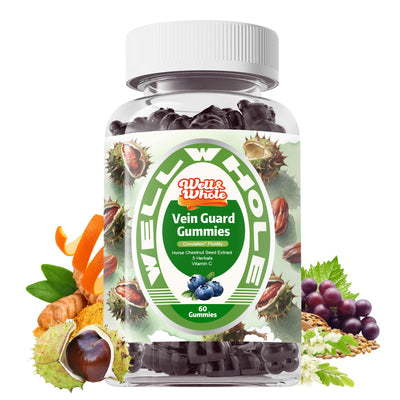
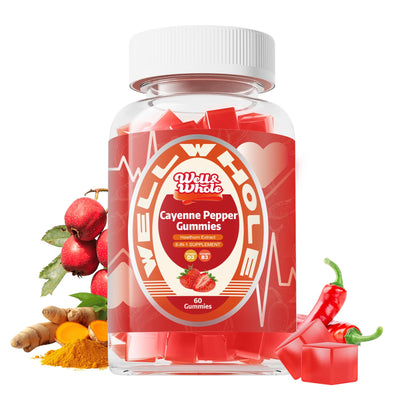
If you'd like to try it, Well&Whole Horse Chestnut Extract Gummies, Circulation Supplements for Legs and Cayenne Pepper Heart Health Gummies with Hawthorn & CoQ10 & Turmeric are the closest match to what we've covered here. Browse Heart Health and CoQ10 to see how the alternatives compare.
These statements have not been evaluated by the Food and Drug Administration. This product is not intended to diagnose, treat, cure, or prevent any disease. Talk to a healthcare professional before starting any new supplement, especially if you are pregnant, nursing, taking medication, or managing a health condition.
These statements have not been evaluated by the Food and Drug Administration. This product is not intended to diagnose, treat, cure, or prevent any disease.