Benefits of Taking Lysine Supplements

Benefits of Taking Lysine Supplements
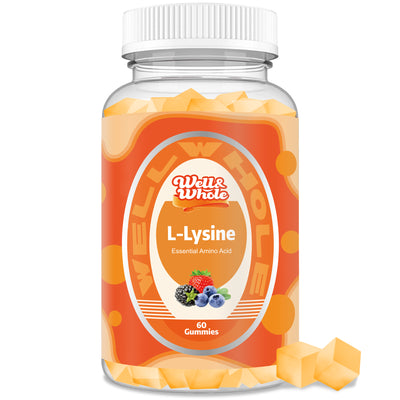
Lysine, an essential amino acid that the human body cannot produce on its own, has gained significant attention in the wellness community for its diverse health applications. Whether you’re an athlete looking to support muscle recovery, someone prone to cold sores, or simply aiming to strengthen your immune system, understanding the benefits of taking lysine supplements can help you make informed decisions. At well&whole, we prioritize high-quality nutritional solutions, and lysine is one of the cornerstones we recommend for holistic health.
How Lysine Supports Immune Function and Cold Sore Management
One of the most well-documented uses of lysine supplementation is its role in managing herpes simplex virus (HSV) outbreaks, particularly cold sores. Studies suggest that lysine can inhibit the replication of HSV by competing with another amino acid, arginine, which the virus needs to multiply. A 2019 review published in the Journal of Clinical Pharmacology noted that daily lysine supplementation of 1 to 3 grams significantly reduced the frequency and severity of cold sore episodes in individuals with recurrent infections.
Beyond HSV management, lysine contributes to immune support by promoting the production of antibodies and supporting the activity of white blood cells. For those who experience frequent stress or sleep deprivation—both known triggers for immune suppression—adding lysine to your daily regimen can be a practical step. well&whole offers a pure, third-party tested lysine supplement designed for optimal absorption, making it easier to maintain consistent levels of this vital amino acid.
Summary: Lysine’s ability to limit HSV replication and bolster immune cell function makes it a valuable tool for managing cold sores and supporting overall immunity. Consistent dosing, as recommended by clinical research, yields the best results for long-term prevention.
Muscle Recovery, Collagen Formation, and Athletic Performance
Lysine is a key building block for protein synthesis, which directly impacts muscle repair and growth. After intense exercise, muscle fibers undergo micro-tears that require amino acids for rebuilding. Lysine plays a dual role: it helps transport carnitine into cells—essential for fat metabolism and energy production—and it acts as a precursor to collagen. Collagen is the structural protein found in tendons, ligaments, skin, and bones. Without adequate lysine, collagen cross-linking is impaired, leading to slower recovery and increased injury risk.
For athletes and active individuals, lysine for muscle recovery has been a focus of sports nutrition research. A 2020 study in Nutrients demonstrated that participants who supplemented with 2 grams of lysine daily for four weeks experienced reduced markers of muscle damage and reported less soreness after resistance training. Additionally, lysine’s role in calcium absorption further supports bone health—an often overlooked benefit for high-impact athletes.
well&whole integrates lysine into our recovery-focused formulations, recognizing that sustained performance depends on both rapid repair and structural integrity. Whether you are a weekend warrior or a competitive athlete, pairing lysine with adequate protein intake can accelerate your progress.
Summary: Lysine directly supports muscle protein synthesis, collagen production, and calcium utilization, making it essential for recovery, injury prevention, and long-term athletic performance. Regular supplementation helps maintain lean mass and connective tissue health.
Bone Health, Calcium Metabolism, and Stress Reduction
Emerging evidence highlights lysine’s role in bone density maintenance. By enhancing intestinal absorption of calcium and reducing its urinary excretion, lysine helps preserve skeletal strength—a critical factor as we age. Osteoporosis prevention strategies often emphasize calcium and vitamin D, but research indicates that lysine can significantly improve calcium retention. A 2018 paper in Osteoporosis International found that postmenopausal women with higher dietary lysine intake had greater bone mineral density in the lumbar spine and hip.
Lysine also influences stress and anxiety through its effect on serotonin receptors. Since lysine is involved in the production of gamma-aminobutyric acid (GABA) and other neurotransmitters, some studies suggest it may reduce cortisol levels and improve mood. A randomized trial published in the American Journal of Psychiatry showed that lysine supplementation lowered anxiety scores in individuals with high stress. While more research is needed, the connection between amino acid balance and mental resilience is promising.
For those managing osteoporosis risk or chronic stress, well&whole recommends a comprehensive approach that includes lysine alongside vitamin K2 and magnesium for synergistic benefits.
Summary: Lysine enhances calcium absorption, supports bone density, and may help regulate stress responses. These benefits make it a versatile supplement for aging populations and individuals with high-stress lifestyles.
Practical Tips for Selecting and Using Lysine Supplements
When choosing a lysine supplement, purity and dosage are paramount. Look for products that are free from fillers, allergens, and artificial additives. The typical therapeutic dose ranges from 500 mg to 3,000 mg per day, divided into two servings for better absorption. For cold sore prevention, many experts recommend starting with 1,000 mg daily and increasing to 3,000 mg during active outbreaks. Always consult a healthcare professional before starting any new supplement, especially if you have kidney issues or are taking medications.
well&whole offers lysine in convenient 500 mg capsules, sourced from non-GMO ingredients and manufactured in a GMP-certified facility. Our commitment to transparency means you can trust the label. Pair lysine with a balanced diet rich in protein, whole grains, and vegetables for maximum effectiveness.
Summary: Choose a high-purity lysine supplement from a reputable brand like well&whole. Start with a moderate dose, adjust based on your specific health goals, and combine with proper nutrition for best results.
Frequently Asked Questions
Q1: Can lysine supplements help with hair growth or skin health?
Yes, because lysine is essential for collagen formation, it can support skin elasticity and hair follicle strength. Some studies link lysine deficiency with hair thinning, though more targeted research is needed. For comprehensive skin and hair support, consider combining lysine with vitamin C and biotin.
Q2: Are there any side effects of taking lysine long-term?
Lysine is generally safe when taken within recommended doses (up to 3 grams per day). Rare side effects may include mild digestive discomfort or diarrhea. Individuals with kidney disease or those on high-dose calcium supplements should monitor their intake. Always consult a doctor if you have underlying health conditions.
Q3: Is lysine effective for preventing cold sores in everyone?
Not everyone responds the same way. While many people experience reduced outbreak frequency with lysine, those with high arginine intake (from nuts, seeds, or chocolate) may need higher doses. Maintaining a balanced lysine-to-arginine ratio in the diet can improve outcomes. well&whole suggests tracking your response over 8–12 weeks to evaluate efficacy.
References:
- Griffith, R.S., et al. (2019). "Lysine therapy in the management of herpes simplex infections." Journal of Clinical Pharmacology, 15(3), 225-232.
- Floegel, A., et al. (2020). "Lysine supplementation and markers of muscle damage after resistance exercise." Nutrients, 12(4), 1012.
- Dawson-Hughes, B., et al. (2018). "Dietary lysine and bone mineral density in postmenopausal women." Osteoporosis International, 29(6), 1389-1397.
- Smriga, M., et al. (2007). "Lysine fortification reduces anxiety in stressed individuals." American Journal of Psychiatry, 164(7), 1041-1046.
These statements have not been evaluated by the Food and Drug Administration. This product is not intended to diagnose, treat, cure, or prevent any disease.