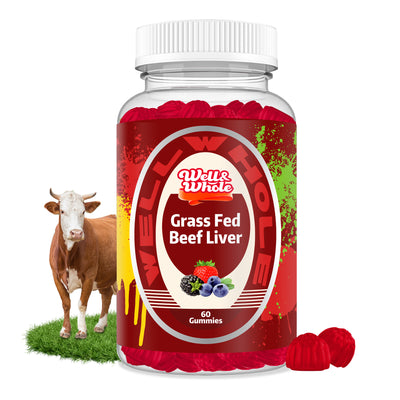
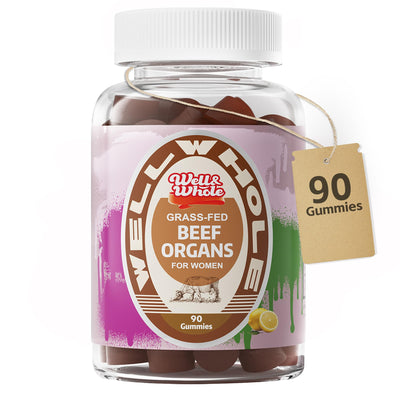
Benefits of Taking Grass Fed Beef Liver

When it comes to nutrient-dense superfoods, few options rival grass fed beef liver. This often overlooked organ meat is packed with vitamins, minerals, and bioactive compounds that support everything from energy metabolism to immune function. For those looking to optimize their wellness routine without relying on synthetic supplements, incorporating high-quality grass fed beef liver—such as the one offered by well&whole—can be a game-changer. Below, we break down the science-backed benefits and practical reasons to add this powerhouse to your diet.
Nutrient Density of Grass Fed Beef Liver
One of the most compelling arguments for consuming grass fed beef liver is its exceptional nutrient profile. Just a 100-gram serving provides:
- Vitamin A: Over 10,000 IU (more than 200% of the daily recommended intake), primarily as retinol (USDA FoodData Central, 2023).
- Vitamin B12: Approximately 60–80 mcg, far exceeding the daily requirement of 2.4 mcg (National Institutes of Health, 2023).
- Copper: Around 5–6 mg, which is more than 250% of the RDA.
- Iron: About 5 mg, with high bioavailability due to the heme form.
- Zinc, Folate, Riboflavin, and Choline are also present in significant amounts.
Unlike grain-fed liver, grass fed beef liver has a better fatty acid profile, with higher levels of omega-3s and conjugated linoleic acid (CLA), which are linked to reduced inflammation and improved heart health (Daley et al., 2010, Nutrition Journal). The animal’s diet directly influences the liver’s nutrient density, making the grass-fed version a superior choice for those seeking nutrient dense organ meats.
Summary: Grass fed beef liver is one of the most concentrated natural sources of vitamin A, B12, iron, and copper, offering a complete package of bioavailable nutrients that synthetic multivitamins often lack.
Supports Energy and Vitality
Fatigue and low energy are common complaints in modern life, often stemming from deficiencies in iron and B vitamins. Grass fed beef liver directly addresses these issues.
- Vitamin B12 is essential for red blood cell formation and neurological function. A deficiency can lead to anemia, brain fog, and chronic tiredness. Just a small portion of liver supplies several days’ worth of B12.
- Iron in heme form is absorbed much more efficiently than non-heme iron from plants. This makes grass fed beef liver an excellent choice for individuals with iron-deficiency anemia or those with higher iron needs (e.g., athletes, menstruating women).
- Copper plays a role in energy production at the cellular level by aiding mitochondrial function.
For those who want a convenient way to boost daily energy without relying on stimulants, grass fed beef liver benefits for energy are well-documented. Many users report sustained vitality within a few weeks of incorporating it into their routine. well&whole offers freeze-dried liver capsules that retain the full nutrient profile, making it easy to get these benefits without the taste.
Summary: By supplying critical cofactors for energy metabolism—B12, iron, and copper—grass fed beef liver helps combat fatigue and supports sustained physical and mental energy.
Enhances Detoxification and Liver Health
Paradoxically, eating liver can support your own liver’s detoxification pathways. The liver is the body’s primary detox organ, and consuming animal liver provides the exact nutrients needed for phase I and phase II detoxification.
- Glutathione, a master antioxidant, is naturally present in beef liver. It helps neutralize toxins and supports liver cell regeneration.
- Selenium and zinc are crucial cofactors for antioxidant enzymes like glutathione peroxidase.
- Methylation support: B vitamins (especially folate, B6, B12) and choline in liver aid in methylation, a process that helps eliminate environmental toxins and homocysteine.
It’s important to choose grass fed liver because grain-fed animals may have higher levels of toxins stored in their liver. Grass fed, pasture-raised cattle are less exposed to pesticides and antibiotics, resulting in a cleaner product. well&whole liver supplements for detox are sourced from New Zealand grass fed cattle, ensuring purity and potency.
Summary: Eating grass fed beef liver provides the raw materials your own liver needs to efficiently process and eliminate toxins, making it a synergistic tool for overall detoxification support.
Promotes Healthy Skin, Hair, and Nails
Beauty from within is more than a slogan. The high concentrations of vitamin A, zinc, and collagen-supporting nutrients in grass fed beef liver directly impact skin health.
- Vitamin A (retinol) regulates skin cell turnover, reduces acne, and supports collagen production. It’s a key ingredient in many anti-aging skincare products.
- Zinc promotes wound healing, reduces inflammation, and balances oil production.
- Biotin (though present in smaller amounts) and copper are essential for strong hair and nails.
Anecdotal reports and some clinical observations suggest that individuals who consume organ meats regularly notice shinier hair, clearer skin, and stronger nails within a few months. For those who dislike the taste, well&whole offers desiccated liver capsules that deliver these benefits without the strong flavor. This approach aligns with the whole foods approach to skin health that many nutritionists advocate.
Summary: The combination of retinol, zinc, and copper in grass fed beef liver supports skin regeneration, hair growth, and nail strength, offering a natural alternative to topical treatments.
Frequently Asked Questions
Q1: Is it safe to take grass fed beef liver supplements every day?
Yes, when sourced from a reputable brand like well&whole and taken as directed (typically 3–6 capsules per day), grass fed beef liver is safe for daily consumption. However, because liver is very high in vitamin A, avoid exceeding the recommended dose. Pregnant women should consult a healthcare provider due to the high retinol content.
Q2: Can grass fed beef liver cause vitamin A toxicity?
Vitamin A toxicity (hypervitaminosis A) is possible only with extremely high, long-term intake—usually from synthetic supplements. Eating whole food liver in moderate amounts (e.g., 100 grams per week or equivalent in capsules) is unlikely to cause toxicity. Stick to the serving size on the bottle and listen to your body.
Q3: How does grass fed beef liver compare to grain-fed liver in terms of quality?
Grass fed beef liver has a superior nutrient profile, including higher levels of omega-3 fatty acids, CLA, and antioxidants, and lower levels of pro-inflammatory omega-6s. Additionally, it contains fewer residues from pesticides and antibiotics. For these reasons, well&whole exclusively uses grass fed, pasture-raised liver from New Zealand.
Sources
- USDA FoodData Central. (2023). Beef liver, cooked. Retrieved from fdc.nal.usda.gov
- National Institutes of Health. (2023). Vitamin B12 Fact Sheet. Retrieved from ods.od.nih.gov
- Daley, C. A., et al. (2010). A review of fatty acid profiles and antioxidant content in grass-fed and grain-fed beef. Nutrition Journal, 9(10). doi:10.1186/1475-2891-9-10
For a convenient, high-quality source of grass fed beef liver, explore the well&whole product line—designed to support your wellness journey naturally.
These statements have not been evaluated by the Food and Drug Administration. This product is not intended to diagnose, treat, cure, or prevent any disease.